Gratis kunstkonsultasjon

x
Bestill maleri Bestill maleriKjøp digitalt bilde Kjøp digitalt bilde SendSend
DetaljerDetaljer Legg til i favoritter Legg til i favoritter Last ned bildetLast ned bildet Liknende objekterLiknende objekter RøntgenRøntgen LysbildefremvisningLysbildefremvisning

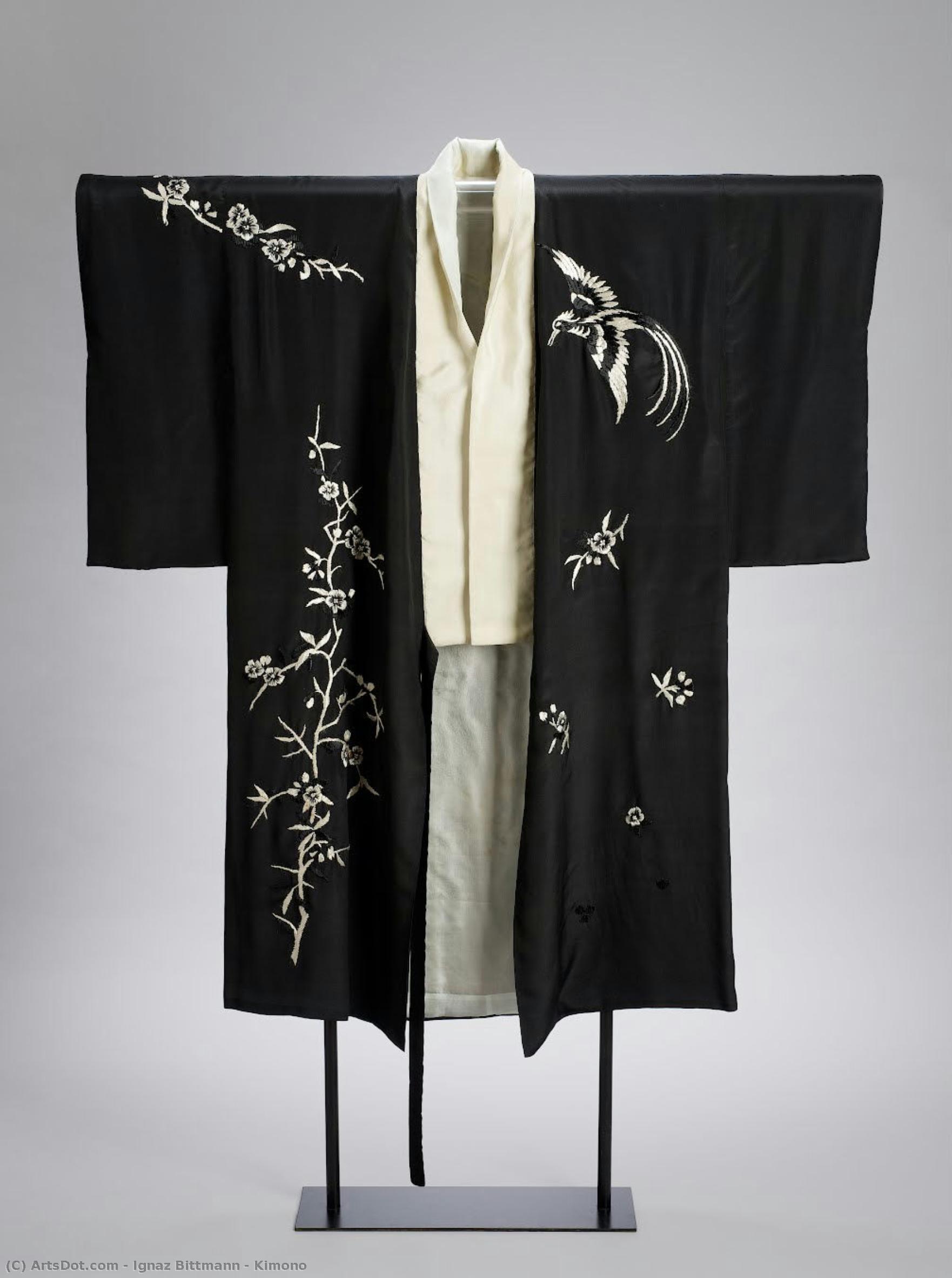
Kimono

Discover Ignaz Bittmann's exquisite kimonos & Austrian textile designs! Explore his innovative approach to fashion during the Austro-Hungarian Empire – a unique artistic legacy.

Giclée / Kunsttrykk

Giclée- eller lerretsprint av museumskvalitet med rask produksjon og fleksible valgmuligheter for etterbehandling.

Standard
custom
CM
INCH

Velg mellom våre forhåndsdefinerte størrelser som bevarer kunstverkets opprinnelige proporsjoner.

bredde
høyde

Du kan oppgi egne mål for å tilpasse en spesifikk ramme eller et bestemt område. Dersom den valgte størrelsen ikke samsvarer med det originale bildets proporsjoner, vil vi enten beskjære kunstverket eller utvide bildet med en speilet eller ensfarget kant. En digital mockup vil bli sendt til din godkjenning før produksjonen starter.
Vennligst merk at forhåndsvisningen på skjermen ikke gjenspeiler den faktiske beskjæringen eller utvidelsen. Kun mockuppen vil vise den endelige komposisjonen nøyaktig.
Selv om tilpassede størrelser er tilgjengelige, anbefaler vi å velge et mål fra den forhåndsdefinerte listen for å bevare de originale proporsjonene.

Verdensomspennende levering () på 2 uker i stedet for standard 4/5 uker. (3 July)

why_choose_icon
Gratis ekspressfrakt over hele verden
why_choose_icon
Lerretsduk av høykvalitets lin
why_choose_icon
Full forsikring under transport
why_choose_icon
Garanti for refusjon av toll og importavgifter
why_choose_icon
Garantert korrekt fargegjengivelse
why_choose_icon
60 dagers returrett (kun ved feil)
why_choose_icon
100% pengene tilbake-garanti
why_choose_icon
Rabatt ved flere kjøp

Totalpris for bestilling

-

reproduction

Kimono

Giclée / Kunsttrykk

Størrelse på reproduksjon

-

Endelig pris

-

Beskrivelse av samleobjektet

Made of black silk with a light blue lining, and embroidered with Japanese motifs in black and white silk thread, this kimono was once in the wardrobe of Countess Klára Hadik-Barkóczy, née Zichy (1875–1946). It has the label of Ignaz Bittmann (1851–1913) sewn into the lining; the Viennese textile manufacturer was one of the largest producers of children’s clothing in Austria-Hungary, a manufacturer of lingerie, and a purveyor to the court.The colourful silks and kimonos displayed in the Japanese pavilion of the 1900 Exposition Universelle of Paris made a strong impression on the fashion scene of Paris and, subsequently, of Europe. Several companies exported original Japanese kimonos, photos and drawings of them appeared in fashion magazines, and this Japanese garment became popular in Europe.

Lignende kunstverk


Om kunstneren

Ignaz Bittmann – A Pioneer of Austrian Textile Art

Ignaz Bittmann (1851-1913) stands as a singular figure in the annals of Austro-Hungarian art and design, recognized primarily for his transformative role in elevating Austrian textile production to international prominence. Born in Vienna, Austria, he emerged from humble beginnings—a modest draper’s shop—to become a visionary entrepreneur who fundamentally reshaped the aesthetic landscape of his era. His legacy extends far beyond mere commerce; Bittmann championed innovation and artistic excellence, establishing himself as a pivotal catalyst for cultural advancement.
  • Early Life & Education: Bittmann pursued his formal education diligently at Benedictine Grammar School in Merano, honing his intellectual prowess before embarking on studies at the University of Vienna’s Faculty of Medicine. While initially focused on medicine, his artistic inclinations quickly surfaced, foreshadowing a lifelong fascination with design and craftsmanship.
  • The Birth of Bittmann Textilfabrik: Recognizing the burgeoning demand for fashionable fabrics—particularly jersey—Bittmann established Bittmann Textilfabrik in 1879. This venture wasn’t simply about profit; it was driven by a genuine desire to elevate Austrian textile manufacturing standards and introduce cutting-edge techniques into Viennese ateliers.
  • Revolutionizing Textile Production: Bittmann's brilliance lay in his understanding of the zeitgeist—the spirit of the age—and his ability to translate this awareness into tangible artistic breakthroughs. He spearheaded the adoption of mechanized weaving looms, dramatically increasing output and fostering a collaborative environment between artisans and engineers. This pioneering approach fundamentally altered Viennese textile production, establishing it as a benchmark for Europe.
  • The Jersey Fabric & Its Impact: The introduction of jersey fabric—a revolutionary knitwear material—marked a watershed moment in fashion history. Bittmann’s astute observation of Parisian trends propelled this innovative textile into widespread acceptance, transforming menswear and subsequently influencing women's attire. His foresight cemented his reputation as an artistic innovator who anticipated future stylistic developments.
  • Legacy & Recognition: Bittmann’s influence resonated throughout the Austro-Hungarian Empire and beyond. He fostered a vibrant artistic community in Vienna, nurturing talent and championing experimentation—a testament to his unwavering belief in the transformative power of creativity. Today, Ignaz Bittmann is remembered not merely as a textile manufacturer but as an artist who irrevocably shaped Viennese culture and elevated Austrian design to unparalleled heights.

Exploring Bittmann’s Artistic Vision

Bittmann's artistic sensibilities extended beyond the realm of textiles; he possessed a profound appreciation for landscape painting, particularly Alpine vistas—a passion that would inform his stylistic choices throughout his career. His canvases captured the grandeur and serenity of the Austrian Alps with remarkable precision and sensitivity, reflecting an aesthetic rooted in Romantic ideals. He skillfully blended meticulous observation with expressive brushwork, conveying both topographical accuracy and emotional depth.
  • Alpine Landscapes: Bittmann’s landscapes exemplify a commitment to capturing the sublime—the awe-inspiring beauty of nature—with unwavering fidelity. His compositions prioritize atmospheric perspective and tonal gradation, creating immersive vistas that evoke feelings of tranquility and grandeur.
  • Still Lifes: Similarly, Bittmann's still lifes showcased his mastery of form and color, presenting meticulously arranged objects with understated elegance. He employed subtle shading techniques to sculpt the contours of his subjects, emphasizing texture and materiality.
  • Influence & Style: Bittmann’s artistic style drew inspiration from Academic Classicism—a dominant aesthetic movement during his time—characterized by idealized forms and harmonious compositions. However, he infused this tradition with a distinctly personal vision, resulting in artworks that are both technically proficient and emotionally resonant.

Notable Works

Bittmann produced several notable paintings that exemplify his artistic prowess and capture the spirit of the Austro-Hungarian era. Among these masterpieces are:
  • “The Alpine Lake” (circa 1890): This panoramic landscape portrays a crystalline alpine lake nestled amidst towering peaks, bathed in soft sunlight—a quintessential depiction of Austrian Alpine scenery.
  • “Fruit Basket” (circa 1895): Bittmann’s still life presents an assortment of luscious fruits arranged on a rustic wooden table—a testament to his meticulous attention to detail and masterful use of color.
  • “Portrait of Franziska Preisler” (circa 1897): This portrait captures the serene beauty of Franziska Preisler, Bittmann’s wife, conveying her grace and dignity with understated elegance.

Historical Context & Significance

Ignaz Bittmann's artistic career unfolded against the backdrop of a transformative period in European history—the Austro-Hungarian Empire—characterized by rapid industrialization, social upheaval, and burgeoning artistic experimentation. His embrace of Academic Classicism reflected the prevailing cultural sensibilities of his time, yet he simultaneously championed innovation and pursued stylistic refinements that distinguished him from his contemporaries. Bittmann's legacy endures as a symbol of Austrian artistic tradition and a testament to the enduring power of beauty and craftsmanship. He remains an important figure in the history of textile art and fashion design, whose contributions continue to inspire artists and designers today.
ignaz bittmann

ignaz bittmann

1851 - 1913 , Austria

Kort om kunstneren

  • Artistic Movement Or Style: Textile Art
  • Date Of Birth: February 23, 1851
  • Full Name: Ignaz Bittmann
  • Nationality: Austrian
  • Notable Artworks: ['Kimono']
  • Place Of Birth: Vienna, Austria