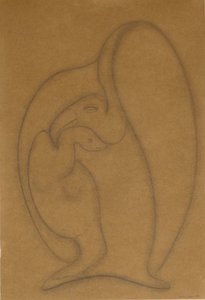
15.0 x 23.0 cm
Kjøp et høyoppløselig, forbedret digitalt bilde som er langt bedre enn forhåndsvisningen på nettet.
Hver fil er omhyggelig klargjort av våre egne spesialister ved hjelp av avanserte verktøy og profesjonell manuell retusjering. Vi sørger for at hvert bilde har eksepsjonell klarhet, presis fargegjengivelse og fine detaljer.
Den endelige filen leveres via e-post innen 72 timer, optimalisert for umiddelbar bruk i profesjonelle, redaksjonelle og trykte miljøer. Dette er den samme kvaliteten som benyttes av ledende designstudioer, utgivere og gallerier.
Last ned en høyoppløselig fil for personlig bruk, utskrift og kreative prosjekter. ( Kjøp trykk Kjøp håndlaget maleri)
Når du velger WahooArt.com, får du ikke bare et bilde – du mottar et profesjonelt forbedret digitalt kunstverk, skapt med presisjon og med en garantert tilfredshetsgaranti. Her er alt som automatisk følger med din bestilling:

Din høyoppløselige digitale bildefil sendes til din e-post innen 72 timer etter bestilling – klar til umiddelbar bruk.

Ditt kunstverk blir profesjonelt optimalisert ved hjelp av avanserte AI-verktøy og manuell redigering, noe som sikrer maksimal detaljrikdom, klarhet og fargegjengivelse.

Har du ved et uhell slettet eller mistet filen din? Ingen bekymring – vi sender den på nytt når som helst, helt gratis.

Nyt ditt kunstverk umiddelbart uten toll, avgifter eller leveringskostnader – digitale nedlastinger er alltid avgiftsfrie.

Vi sikrer at ditt digitale bilde gjenspeiler de originale fargene så nøyaktig som mulig ved hjelp av profesjonelle verktøy og fargehåndtering.

Hvis du ikke er fornøyd med ditt digitale bilde, vil vi revidere det eller refundere 100% innen 100 dager – uten spørsmål.

Ikke fornøyd? Få full refusjon innen 100 dager etter at du har mottatt din digitale fil – uten spørsmål.

Kjøp 3 bilder, spar 10% - Kjøp 5, spar 15% - Kjøp 10+, spar 20%. Ideelt for kreative prosjekter, gallerier og byråer.

Born in 1886 amidst the historic landscape of Chelmsford, Essex, Hubert George Allnutt emerged as a painter whose soul was deeply entwined with the English countryside. His life’s work serves as a luminous window into a bygone era of British tranquility, capturing the quiet dignity of village life and the shifting moods of the natural world. From his early years, nurtured by a father who recognized and encouraged his burgeoning talent, Allnutt developed a keen eye for the subtle nuances of light and texture that would eventually define his reputation as a master of the Essex landscape.
Allnutt’s formal artistic education at the prestigious Slade School of Fine Art in London between 1906 and 1908 provided the technical foundation upon which his unique style was built. During these formative years, he immersed himself in the revolutionary techniques of the Impressionist masters, drawing profound inspiration from the works of Claude Monet and Camille Pissarro. This early exposure instilled in him a lifelong fascination with the ephemeral qualities of atmosphere—the way a morning mist clings to a hedgerow or how the late afternoon sun gilds a rural path. His ability to translate these fleeting moments onto canvas allowed him to bridge the gap between the spontaneous energy of Impressionism and a more structured, classical approach to landscape painting.
As his career matured, Allnutt’s focus narrowed toward the familiar terrains of his home, particularly the areas surrounding Eastwoodbury Lane in Southend-on-Sea. He became a chronicler of the Essex countryside, finding profound beauty in the mundane and the pastoral. His paintings of villages such as Rayleigh and Maldon are more than mere topographical records; they are emotive studies of peace and permanence. Through his meticulous attention to architectural details, winding lanes, and the lush greenery of local hedgerows, he created a sense of place that feels both intimate and timeless.
The evolution of his technique saw him move toward a style that blended his Impressionistic roots with the grander, more structured sensibilities reminiscent of the Hudson River School. This transition allowed him to imbue his landscapes with a certain monumental quality, where even a small village scene could possess a sense of epic serenity. His works from the early 1920s, such as "Billet Lane, Leigh"* and "Eastwood Lane, Eastwood," demonstrate this remarkable mastery of tonal harmony and textured brushwork, evoking a palpable sense of the English pastoral idyll.
Throughout his life, Allnutt’s dedication to his craft resulted in a body of work that remains highly regarded by collectors of British landscape art. His ability to evoke emotion through color and light has ensured that his paintings continue to resonate with contemporary viewers seeking a connection to the natural world. Some of his most notable contributions to the art historical record include:
Though he passed away in 1960, the legacy of Hubert George Allnutt persists through his vibrant canvases. He remains a significant figure for those studying the development of early 20th-century British landscape painting, representing a period when artists sought to find profound meaning and lasting beauty within the familiar boundaries of their own landscapes.

1886 - 1960

 Forhåndsvisning
 Send
Send Del med andre
 Vis detaljer

 Last ned bildet
 Liknende objekter
 Røntgenundersøkelse
 Lysbildefremvisning
 Vis hele teksten