


 128.0 x 103.0 cm
Kjøp et høyoppløselig, forbedret digitalt bilde som er langt bedre enn forhåndsvisningen på nettet.
Hver fil er omhyggelig klargjort av våre egne spesialister ved hjelp av avanserte verktøy og profesjonell manuell retusjering. Vi sørger for at hvert bilde har eksepsjonell klarhet, presis fargegjengivelse og fine detaljer.
Den endelige filen leveres via e-post innen 72 timer, optimalisert for umiddelbar bruk i profesjonelle, redaksjonelle og trykte miljøer. Dette er den samme kvaliteten som benyttes av ledende designstudioer, utgivere og gallerier.
Last ned en høyoppløselig fil for personlig bruk, utskrift og kreative prosjekter. ( Kjøp trykk Kjøp håndlaget maleri)
Når du velger WahooArt.com, får du ikke bare et bilde – du mottar et profesjonelt forbedret digitalt kunstverk, skapt med presisjon og med en garantert tilfredshetsgaranti. Her er alt som automatisk følger med din bestilling:

Din høyoppløselige digitale bildefil sendes til din e-post innen 72 timer etter bestilling – klar til umiddelbar bruk.

Ditt kunstverk blir profesjonelt optimalisert ved hjelp av avanserte AI-verktøy og manuell redigering, noe som sikrer maksimal detaljrikdom, klarhet og fargegjengivelse.

Har du ved et uhell slettet eller mistet filen din? Ingen bekymring – vi sender den på nytt når som helst, helt gratis.

Nyt ditt kunstverk umiddelbart uten toll, avgifter eller leveringskostnader – digitale nedlastinger er alltid avgiftsfrie.

Vi sikrer at ditt digitale bilde gjenspeiler de originale fargene så nøyaktig som mulig ved hjelp av profesjonelle verktøy og fargehåndtering.

Hvis du ikke er fornøyd med ditt digitale bilde, vil vi revidere det eller refundere 100% innen 100 dager – uten spørsmål.

Ikke fornøyd? Få full refusjon innen 100 dager etter at du har mottatt din digitale fil – uten spørsmål.

Kjøp 3 bilder, spar 10% - Kjøp 5, spar 15% - Kjøp 10+, spar 20%. Ideelt for kreative prosjekter, gallerier og byråer.

George Frideric Handel, a name synonymous with grandeur and timeless melody, was far more than just a composer. He was a theatrical genius, an innovator in orchestral writing, and a master of the oratorio – a figure who profoundly shaped the landscape of Western music. Born into a musical family in Halle, Germany, in 1685, Handel’s life was a testament to relentless ambition, artistic evolution, and a deep-seated connection to the dramatic arts. His journey from a promising young organist to an internationally renowned composer is a captivating story interwoven with political intrigue, personal tragedy, and unparalleled creative achievement.
Handel's early musical training was rigorous and comprehensive. He studied at the prestigious Thomasschule in Halle, where he honed his skills on the organ and harpsichord. His father, a barber-surgeon and musician, instilled in him a love for music that would define his entire life. However, it wasn’t solely through formal instruction that Handel developed; he was a prodigious self-taught musician, absorbing musical knowledge from countless performances and by meticulously studying the scores of his predecessors. This dedication to both structured learning and independent exploration laid the foundation for his distinctive compositional style.
A pivotal moment in Handel's career arrived with his relocation to Italy in 1732, at the invitation of impresario Antonio Salieri. This move marked a dramatic shift in his musical language, moving away from the predominantly Italianate styles he had previously encountered and embracing the vibrant, expressive qualities of the Baroque era. In Venice, Handel composed operas such as *Rinaldo* and *Giulio Cesare*, showcasing his growing mastery of vocal writing, orchestration, and dramatic pacing. These works established him as a leading operatic composer, attracting audiences across Europe with their spectacular staging and compelling narratives.
Handel’s most enduring legacy undoubtedly rests upon *Messiah*, an oratorio completed in 1741. Initially conceived as a single movement for Easter, it evolved into a monumental work encompassing prophecies, lamentations, and triumphant declarations of redemption. The sheer scale of *Messiah* – nearly three hours long – was unprecedented for its time, and its innovative use of choruses, recitatives, and arias captivated audiences across the British Isles and beyond. The oratorio’s popularity soared in subsequent centuries, becoming inextricably linked with Christmas celebrations and solidifying Handel's place as one of history’s most beloved composers.
Beyond its religious significance, *Messiah* represents a remarkable feat of musical craftsmanship. Handel masterfully blended Hebrew texts with Italian operatic conventions, creating a work that was both deeply spiritual and intensely dramatic. The orchestration is particularly noteworthy, employing a vast array of instruments – trumpets, timpani, oboes, horns, strings – to evoke a sense of grandeur and emotional intensity. The use of the choruses, in particular, created a powerful communal experience for listeners, uniting them in a shared expression of faith and hope.
Handel’s career was marked by extensive travel throughout Europe, often at the invitation of royal courts. He served as Kapellmeister (music director) to the rulers of Hanover, Eisenach, and Detmold, each offering him patronage and opportunities to showcase his talents. These appointments provided him with valuable experience in managing orchestras, composing for specific venues, and navigating the complex world of courtly music. His time in London proved particularly fruitful, establishing him as a leading figure in the city’s musical scene.
Despite achieving considerable success, Handel faced personal tragedies throughout his life. His first wife, Anna Maria Weber, died in 1729, leaving him with deep sorrow and a profound sense of loss. His son, Julius, tragically drowned in 1759, further compounding his grief. These hardships undoubtedly influenced the emotional depth and intensity of his later works.
George Frideric Handel died in London in 1759, leaving behind a vast and influential body of work. His contributions to opera, oratorio, orchestral music, and choral writing continue to resonate with audiences today. His dramatic flair, masterful orchestration, and profound understanding of human emotion have inspired generations of composers – from Mozart and Beethoven to Mendelssohn and Brahms. Handel’s legacy extends far beyond the realm of music; he remains a symbol of artistic ambition, creative innovation, and the enduring power of sound to move and uplift the human spirit.
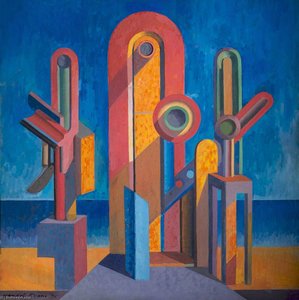
1932 - 1999

 Forhåndsvisning
 Send
Send Del med andre
 Vis detaljer

 Last ned bildet
 Liknende objekter
 Røntgenundersøkelse
 Lysbildefremvisning
 Vis hele teksten


