Forhåndsvisning Se i AR Kjøp håndmalt maleri Bytt til digitalt bilde Send
Vis detaljer Utskriftsvennlig guide Legg til i favoritter Last ned bilde Liknende objekter Røntgenundersøkelse Lysbildefremvisning Q&A Statistikk

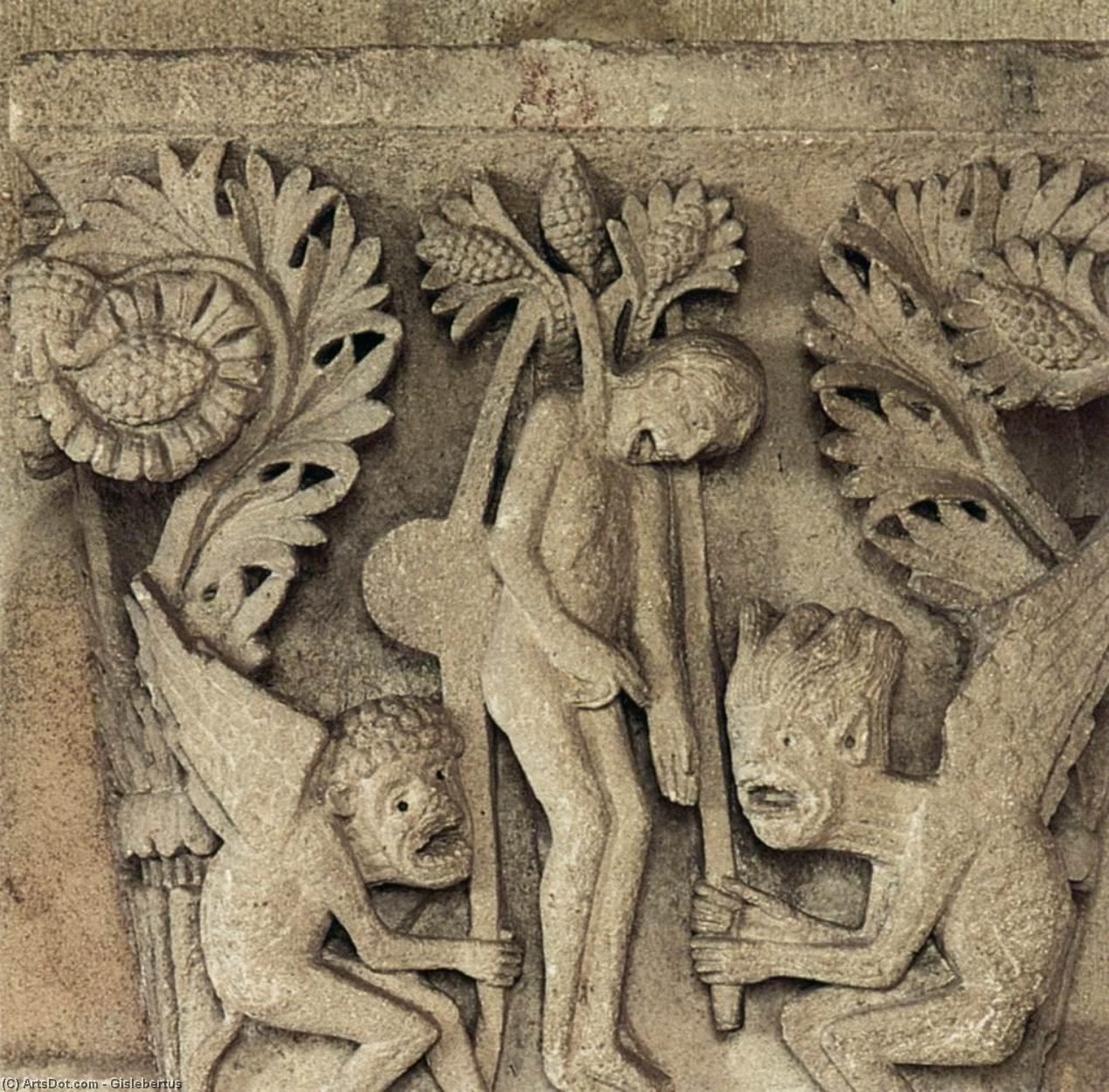
Judas' Suicidal Hang

Oppdag Gislebertus' ikoniske skulptur 'Judas' Suicidal Hang', et kraftfullt uttrykk for menneskelig smerte og religiøs angst fra Sainte-Lazare Katedral i Autun, Frankrike. Utforsk kunstens historie og teknikk.

Discover Gislebertus: French Romanesque sculptor of Autun Cathedral's stunning tympanums & Eve sculpture. Explore his biblical themes & influence on Gothic art.

Giclée / Kunsttrykk

Giclée- eller lerretsprint av museumskvalitet med rask produksjon og fleksible valgmuligheter for etterbehandling. ( Kjøp håndmalt maleri Bytt til digitalt bilde)

Corner sample of the P118B picture frame: støpt polystyren, 5 cm wide and 3 cm thick
P118B Nkr10
Corner sample of the P118H picture frame: støpt polystyren, 5 cm wide and 3 cm thick
P118H Nkr10
Corner sample of the P118W picture frame: støpt polystyren, 5 cm wide and 3 cm thick
P118W Nkr10
Corner sample of the P438Z picture frame: støpt polystyren, 5.5 cm wide and 3.5 cm thick
P438Z Nkr10
Corner sample of the P508JH picture frame: støpt polystyren, 7 cm wide and 3.5 cm thick
P508JH Nkr12
Corner sample of the P508YH picture frame: støpt polystyren, 7 cm wide and 3.5 cm thick
P508YH Nkr12
Corner sample of the P805H picture frame: støpt polystyren, 5 cm wide and 3.5 cm thick
P805H Nkr10
Corner sample of the P805Z picture frame: støpt polystyren, 5 cm wide and 3.5 cm thick
P805Z Nkr10
Corner sample of the P919BZ picture frame: støpt polystyren, 7 cm wide and 3.5 cm thick
P919BZ Nkr10
Corner sample of the P919G picture frame: støpt polystyren, 7 cm wide and 3.5 cm thick
P919G Nkr10
Corner sample of the P919XJ picture frame: støpt polystyren, 7 cm wide and 3.5 cm thick
P919XJ Nkr10
Corner sample of the P959ZH picture frame: støpt polystyren, 5 cm wide and 3 cm thick
P959ZH Nkr10
Corner sample of the P968JZ picture frame: støpt polystyren, 6 cm wide and 4 cm thick
P968JZ Nkr12
Corner sample of the W106C picture frame: massivt tre, 5 cm wide and 3 cm thick
W106C Nkr8
Corner sample of the W218G picture frame: massivt tre, 5 cm wide and 3 cm thick
W218G Nkr10
Corner sample of the W218JH picture frame: massivt tre, 5 cm wide and 3 cm thick
W218JH Nkr8
Corner sample of the W218Y picture frame: massivt tre, 5 cm wide and 3 cm thick
W218Y Nkr10
Corner sample of the W307PJ picture frame: massivt tre, 6 cm wide and 3 cm thick
W307PJ Nkr10
Corner sample of the W316G picture frame: massivt tre, 6 cm wide and 3 cm thick
W316G Nkr10
Corner sample of the W316PJ picture frame: massivt tre, 6 cm wide and 3 cm thick
W316PJ Nkr8
Corner sample of the W316Y picture frame: massivt tre, 6 cm wide and 3 cm thick
W316Y Nkr10
Corner sample of the W398PJ picture frame: massivt tre, 5 cm wide and 3 cm thick
W398PJ Nkr8
Corner sample of the W4111J picture frame: massivt tre, 6.5 cm wide and 3.5 cm thick
W4111J Nkr10
Corner sample of the W500HY picture frame: massivt tre, 7 cm wide and 5 cm thick
W500HY Nkr15
Corner sample of the W500JH picture frame: massivt tre, 7 cm wide and 5 cm thick
W500JH Nkr15
Corner sample of the W692G picture frame: massivt tre, 8 cm wide and 4 cm thick
W692G Nkr12
Corner sample of the W849H picture frame: massivt tre, 5 cm wide and 3 cm thick
W849H Nkr8
Corner sample of the W940BG picture frame: massivt tre, 7.5 cm wide and 4.5 cm thick
W940BG Nkr15
Corner sample of the W953PJ picture frame: massivt tre, 6 cm wide and 3.5 cm thick
W953PJ Nkr8

Standardformat
skreddersydd
CM
INCH

Velg mellom våre forhåndsdefinerte størrelser som bevarer kunstverkets opprinnelige proporsjoner.

bredde
høyde

Skriv inn ønsket bredde og høyde for å tilpasse trykket til din ramme eller vegg. Et trykk kan kun beskjæres, aldri skaleres opp utover motivets opprinnelige størrelse, noe som betyr at et format med andre proporsjoner vil føre til tap av deler av bildet. Vi sender deg en digital mockup for godkjenning før vi starter trykkeprosessen. Bildet som vises på denne siden viser ikke den faktiske beskjæringen — det er kun mockuppen som viser dette.

Verdensomspennende levering () på 2 uker i stedet for standard 4/5 uker. (30 October)

Gratis ekspressfrakt over hele verden
Lerretsduk av lin av høy kvalitet
Full transportforsikring
Garanti for refusjon av toll og importavgifter
Garantert fargegjengivelse
100 dagers returrett ved fabrikasjonsfeil
100% pengene tilbake-garanti
Rabatt ved flere kjøp

Totalpris

Nkr 655

Judas' Suicidal Hang

Giclée / Kunsttrykk

Størrelse på reproduksjon

-

Totalpris for valgte alternativer

Nkr 655

Kort om verket

  • Subject or theme: Kristusforræderi og selvpåbestemmelse
  • Movement: Romanesk kunst
  • Year: 1120-30
  • Artist: Gislebertus
  • Artistic style: Didaktisk fortelling

Gislebertus og Suicidalens Dramatiske Uttrykk i Sainte-Lazare Kathedralens Tympanum

Gislebertus, en navn hugget inn i stein og hvisket gjennom århundrene, står som én av de mest bemerkelsesverdige figurene innenfor middelalderens skulpturkunst – spesielt kjent for sin betydelige bidrag til Sainte-Lazare Kathedralen i Autun, Frankrike. Født omkring 1120, steg Gislebertus frem fra det kunstneriske landskapet Burgund under en periode dypt formet av religiøs hengivenhet og ambisjon om å bygge imponerende kirker. Selv om biografiske detaljer forblir sparsomme, mener forskere at han ble trent ved Cluny Abbey, hvor han møtte den mest fremtredende skulptøren på tiden – en institusjon som prioriterte å fortelle bibelske historier gjennom kunstverk. Dette formative miljø ga ham ikke bare tekniske ferdigheter, men også en dyp forståelse av kristendommens grunnleggende temaer og hvordan disse skulle formidles visuelt. Skulptørens Tidlige Karriere og Påvirkningen fra Cluny Abbey Gislebertus begynte sin karriere ved Cluny Abbey hvor han assisterte den eminente skulptøren, noe som styrket hans posisjon innenfor en tradisjon som vektla pedagogisk fortelling – å bruke kunstverk til å lære ut religiøse sannheter og verdier. Denne praksisen var særlig vanlig i middelalderen, hvor kirken hadde stor innflytelse på kulturen og kunsten. Gislebertus ble kjent for sin evne til å gjengi bibelske scener med stor følelsesmessig dybde og teknisk presisjon – egenskaper som reflektertes i hans senere verk. Han var en pioner innenfor romansk skulptur, og hans arbeid ble inspirert av den tidens religiøse atmosfære og estetiske idealer. Suicidalens Symbolikk og Dramatiske Komposisjon i Sainte-Lazare Kathedralen Det mest ikoniske av Gislebertus’ verk er uten tvil tympanumet til hovedportalen ved Sainte-Lazare Kathedralen, hvor han skildrer scenen av Judas’ selvmord. Dette monumentale kunstverk er ikke bare en teknisk bragd – det er også et kraftfullt uttrykk for religiøse ideer og følelser. Gislebertus var opptatt av å formidle bibelske historier på en måte som både engasjerte publikum og fremkalte refleksjoner over menneskelighetens natur og forholdet til Gud. Judas’ selvmord er ikke bare en beskrivelse av et enkelt øyeblikk; det er en kompleks allegori om synd, bekjennelse og straff – temaer som var sentrale i kristendommens doktrine og kunstneriske praksis. Detaljerte Teknikker og Komposisjonens Dramatiske Effekt Gislebertus benyttet seg av romansk skulptørs teknikk, hvor detaljerte komposisjoner og realistiske figurer ble brukt til å formidle religiøse budskap. Han var spesielt dyktig i å bruke stein – en materiale som var både robust og estetisk attraktivt – for å skape imponerende monumenter som skulle stå tidens prøve. Tympanumet er dekorert med flere detaljerte figurer, inkludert Judas selv, hans følgesommer og Jesu Kristi domstol. Figuren av Judas er spesielt dramatisk fremstilt: han henger fra et tre, omgitt av demoniske vesener som hjelper ham til å avslutte livet sitt. Denne komposisjonens dynamiske energi og følelsesmessige intensitet var banebrytende for sin tid og reflekterer Gislebertus’ forståelse av menneskelighetens psykologi og religiøse angst. Lys og skygge brukes effektivt til å skape kontrast og fremheve Judas’ fysiske smerte og psykiske kvaler, noe som ytterligere styrker kunstverkets dramatiske effekt. Sainte-Lazare Kathedralen er fortsatt et vitnesbyrd om Gislebertus’ kunstneriske geni og hans evne til å bruke kunst til å formidle dyptgående religiøse ideer.

Spørsmål og svar

Hva er formatet på "Judas' Suicidal Hang"?

Formatet på "Judas' Suicidal Hang" er Kvadratisk format. Dette er nyttig når du planlegger hvor en reproduksjon skal plasseres.

Hvordan kan jeg få tak i en digital fil av "Judas' Suicidal Hang" av Gislebertus?

Et digitalt bilde av "Judas' Suicidal Hang" av Gislebertus kan kjøpes på siden for Digitalt kunstverk: nedlasting av et digitalt bilde i høy oppløsning.

Hva er den dominerende fargen i "Judas' Suicidal Hang" av Gislebertus?

Den dominerende fargen i "Judas' Suicidal Hang" av Gislebertus er Lys rosabrun (#b7a788).


Om kunstneren

Gislebertus: The Sculptor of Autun Cathedral’s Divine Vision

Gislebertus, a name etched in stone and whispered through the centuries, stands as one of the most remarkable figures of Romanesque sculpture. Specifically celebrated for his profound contribution to Saint Lazare Cathedral in Autym, France, he emerged from the fertile artistic landscape of Burgundy during a period profoundly shaped by religious fervor and burgeoning architectural ambition. Born sometime around 1120, Gislebertus lived through an era where art served as the primary language of the faithful. While biographical details remain scarce, scholars believe he was trained at Cluny Abbey, arguably the epicenter of European monastic art and intellectual life at the time. This formative experience instilled in him a deep understanding of biblical narratives and imbued his work with an unwavering devotion to Christian themes.

His initial role at Cluny involved assisting the master sculptor, cementing his position within a tradition prioritizing didactic storytelling—conveying moral lessons through visual representation. The cathedral’s ambitious project demanded exceptional skill, and Gislebertus quickly established himself as a pivotal talent. Recognizing the importance of providing solace to pilgrims afflicted with leprosy—a prevalent ailment during the 12th century—the Abbey envisioned Saint Lazare as more than just a place of worship; it was intended as a sanctuary for the marginalized. This vision profoundly impacted Gislebertus’ artistic sensibilities, prompting him to create reliefs that resonated with compassion and hope, featuring imagery designed to uplift those facing immense suffering.

Mastery of Emotion and Narrative Relief

The true genius of Gislebertus lies in his ability to translate complex theological concepts into visceral, physical forms. His work at Autun is characterized by a dramatic use of line and shadow that breathes life into the cold stone. In masterpieces such as the Suicide of Judas, created around 1120-30, he captures the raw horror and despair associated with treason. Through the depiction of hanging figures and menacing demonic entities, Gisleberus showcases an exceptional skill in capturing human psychological torment, a hallmark of the Romanesque style that pushes the boundaries of medieval expression.

Beyond the scenes of tragedy, his work also celebrates the spiritual journey of the faithful. In his Pilgrims relief, one can observe a powerful depiction of devotion, where strong lines and dramatic shadows emphasize the physical and spiritual weight of the pilgrimage. This ability to oscillate between the terrifying aspects of divine judgment and the quiet strength of religious perseverance makes his oeuvre uniquely captivating. His sculptures do not merely decorate a building; they act as a window into the medieval soul, inviting the viewer to contemplate the eternal struggle between good and evil.

Legacy and Historical Significance

The artistic development of Gislebertus represents a crucial bridge in the evolution of European art. While his roots are firmly planted in the Romanesque tradition of Cluny, his expressive power and narrative complexity hint at the burgeoning naturalism that would later define Gothic art. His work on the Dream of the Magi further demonstrates this sophisticated approach to storytelling, blending historical reverence with a sense of wonder.

The enduring significance of Gislebertus can be summarized through several key contributions:

  • Narrative Innovation: He transformed architectural elements like tympanums into complex, readable storybooks for the illiterate masses.
  • Emotional Depth: He moved beyond static iconography to introduce psychological depth and human emotion into stone sculpture.
  • Cluniac Influence: He carried the high intellectual and spiritual standards of Cluny Abbey into the public sphere of cathedral architecture.
  • Architectural Integration: His ability to harmonize intricate sculptural detail with the massive, heavy forms of Romanesque architecture remains a pinnacle of medieval craftsmanship.

Today, the works of Gislebertus remain some of the most studied and revered examples of 12th-century art. He remains a master whose hands, though long since returned to dust, continue to speak through the enduring stone of Autun, reminding us of a time when art was the ultimate vessel for the divine.

Gislebertus

Gislebertus

1120 - 1135 , France

Kort om kunstneren

  • Full Name: Gislebertus
  • Nationality: French
  • Date Of Birth: 1120
  • Date Of Death: 1135
  • Place Of Birth: France
  • Notable Artworks:
    • Pilgrims
    • Last Judgment (detail)
    • Dream of the Magi
  • Artistic Movement Or Style: Romanesque Sculpture
  • Artists Who Influenced This Artist: ['Cluny School']
  • Artists Or Movements Influenced By This Artist: ['Gothic Style']
Utforsk kunstverk organisert etter temaer, stiler og kjennetegn.