Gratis kunstkonsultasjon

x
Bestill maleri Bestill maleriKjøp digitalt bilde Kjøp digitalt bilde SendSend
Vis detaljerVis detaljer Legg til i favoritter Legg til i favoritter Last ned bildetLast ned bildet Liknende objekterLiknende objekter RøntgenundersøkelseRøntgenundersøkelse LysbildefremvisningLysbildefremvisning

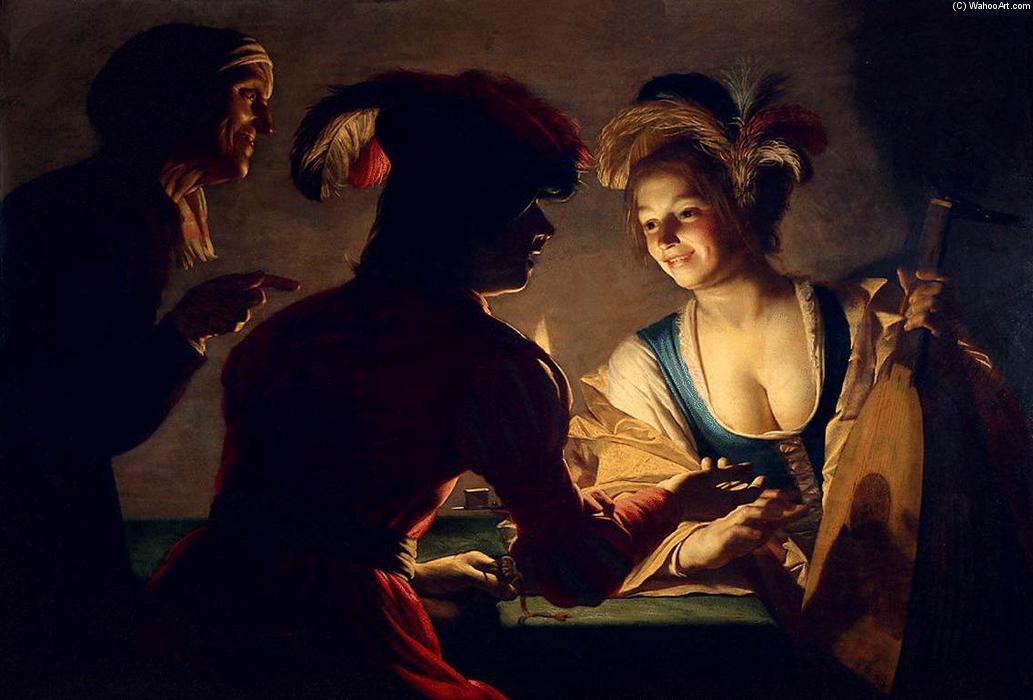
Kvinnen

Opplev drama og lysets kunstneri i Gerard van Honthorst sin ikoniske «Kvinnen». Dette fantastiske håndmalte reproduksjon av et verk fra Den nederlandske gullalderen er perfekt dekorasjon.

Gerard van Honthorst var en nederlandsk maler kjent for sin dramatiske bruk av lys og skygge (tenebrism) i portretter og bibelske scener fra den gullalderen. Oppdag hans mesterverk og inspirerende Caravaggisti-stil!

Giclée / Kunsttrykk

Giclée- eller lerretsprint av museumskvalitet med rask produksjon og fleksible valgmuligheter for etterbehandling.

P118B $10
P118H $10
P118W $10
P438Z $10
P508JH $12
P508YH $12
P805H $10
P805Z $10
P919BZ $10
P919G $10
P919XJ $10
P959ZH $10
P968JZ $12
W106C $8
W218G $10
W218JH $8
W218Y $10
W307PJ $10
W316G $10
W316PJ $8
W316Y $10
W398PJ $8
W4111J $10
W500HY $15
W500JH $15
W692G $12
W849H $8
W940BG $15
W953PJ $8

Standard
custom
CM
INCH

Velg mellom våre forhåndsdefinerte størrelser som bevarer kunstverkets opprinnelige proporsjoner.

bredde
høyde

Du kan oppgi egne mål for å tilpasse en spesifikk ramme eller et bestemt område. Dersom den valgte størrelsen ikke samsvarer med det originale bildets proporsjoner, vil vi enten beskjære kunstverket eller utvide bildet med en speilet eller ensfarget kant. En digital mockup vil bli sendt til din godkjenning før produksjonen starter.
Vennligst merk at forhåndsvisningen på skjermen ikke gjenspeiler den faktiske beskjæringen eller utvidelsen. Kun mockuppen vil vise den endelige komposisjonen nøyaktig.
Selv om tilpassede størrelser er tilgjengelige, anbefaler vi å velge et mål fra den forhåndsdefinerte listen for å bevare de originale proporsjonene.

Verdensomspennende levering () på 2 uker i stedet for standard 4/5 uker. (8 July)

why_choose_icon
Gratis ekspressfrakt over hele verden
why_choose_icon
Lerretsduk av høykvalitets lin
why_choose_icon
Full forsikring under transport
why_choose_icon
Garanti for refusjon av toll og importavgifter
why_choose_icon
Garantert korrekt fargegjengivelse
why_choose_icon
60 dagers returrett (kun ved feil)
why_choose_icon
100% pengene tilbake-garanti
why_choose_icon
Rabatt ved flere kjøp

Totalpris for bestilling

-

reproduction

Kvinnen

Giclée / Kunsttrykk

Størrelse på reproduksjon

-

Endelig pris

-

Kort om verket

  • Movement: Dutch Golden Age
  • Influences: Caravaggio
  • Medium: Oil on panel
  • Artist: Gerard van Honthorst
  • Notable elements or techniques: Tenebrism; Dramatic lighting
  • Year: 1625
  • Subject or theme: Love; Betrayal; Social commentary

Kunstighetsquiz

Det er kun ett riktig svar på hvert spørsmål.

Spørsmål 1:
What artistic technique is prominently featured in Gerard van Honthorst’s ‘The Procuress’, characterized by dramatic contrasts between light and dark?
Spørsmål 2:
Where was Gerard van Honthorst’s artistic development significantly influenced by a pivotal encounter with the Baroque artist Caravaggio?
Spørsmål 3:
What is the primary subject matter depicted in ‘The Procuress’, reflecting common themes prevalent in Dutch Golden Age art?
Spørsmål 4:
The painting utilizes a technique called chiaroscuro, which contributes to its dramatic impact. What does chiaroscuro primarily achieve?
Spørsmål 5:
‘The Procuress’ is housed in which museum?

Beskrivelse av samleobjektet

Gerard van Honthorst og Dramatikken i Lys og Skygge – En Reise til Hjertet av Den Nederlandse Gouden Eoue

Gerard van Honthorst, født i Utrecht i 1592, var en kunstner som virkelig definerte sin tid. Hans far var dekorasjonsmaler, noe som gav ham et tidlig grunnlag for kunstnerisk utvikling under veiledningen av Abraham Bloemaert – en mann som perfekt formidlet kunsten til komposisjon og teknikk. Men det var hans tur til Roma rundt år 1610 som virkelig satte fyr på hans kreative ånd og førte frem hans unike stil, kjent som “Gherardo delle Notti,” eller Gerard av Nattene. Denne italienske oppholdet ble dypt påvirket av Caravaggio – en kunstner hvis dramatiske bruk av tenebrisme, teknikken med ekstreme lys- og skyggekontraster, fascinerte Honthorst og ville bli hans signaturteknikk. Dette var ikke bare imitering; det var en transformasjon som gjenspeilet den italienske barokkens ånd og satte nye standarder for kunstnerisk ekspressivitet. Han ble kjent for å bruke lys og skygge på en måte som få andre samtidige gjorde, noe som skapte bilder fulle av følelser og dynamikk.
  • Tema og Narrativ: “The Procuress” er mer enn bare et portrett; det er et psykologisk drama som utforsker temaer om seksualitet, sosial klasse og menneskelig natur. Honthorst skildrer en kvinnelig prostituert sammen med hennes klient og en annen kvinde, hvilket antyder komplekse forhold og konflikter mellom karakterene.
  • Stil og Teknikk: Honthorst var en mester i tenebrisme – Caravaggio hadde satt nye standarder for kunstnerisk stil ved å bruke dette dramatiske teknikken. Dette førte til at lys og skygge ble brukt på en måte som skapte en følelse av spenning og mystikk, noe som gjorde bildet ekstra fengslende.
  • Fargebruk: Selv om fargene i bildet ikke er særlig intense, spiller de en viktig rolle i å skape atmosfære og fokusere oppmerksomheten på hovedpersonene. Den røde kjolen til prostituertens symboliserer seksualitet og lidenskap, mens den blå kjolen til klientinnen representerer renhet og dyd – kontrasten mellom disse fargene understreker konflikten mellom karakterenes ønsker og behov.
  • Historisk Kontekst: Kunstverket ble skapt i midten av Det nederlandske gullalderen (ca. 1600-1675), en periode preget av økonomisk vekst, kulturell blomstring og kunstnerisk innovasjon. Honthorst var en aktiv deltaker i denne kunstneriske revolusjonen og bidro til å forme Den nederlandske kunstens estetikk.
Hand-painted Reproduksjon: WahooArt.com tilbyr høykvalitets reproduksjoner av “The Procuress” som gjenskaper originalkunstverkets atmosfære og detaljer perfekt. Dette gir interiørdesignere og kunstelskere muligheten til å bringe dette ikoniske bildet inn i hjemmet eller kontoret sitt, samtidig som de støtter en autentisk kunstnerisk opplevelse. Reproduksjonene er produsert med bruk av moderne teknikker for å sikre maksimal fargegjengivelse og tekstur – noe som gjør at du kan nyte kunstverkets estetikk på nytt. Oppdag Inspirasjon: “The Procuress” forteller en historie om menneskelig psykologi og sosial dynamikk, noe som gjør det til et fascinerende tema for samtale og refleksjon. Dette kunstverket er perfekt egnet for å inspirere interiørdesignere som ønsker å skape miljøer som fremmer følelser av drama og mystikk – eller for kunstelskere som søker å utforske Caravaggio’s innflytelse på europeisk kunsthistorie. La denne fantastiske reproduksjon fra WahooArt.com være et fokuspunkt i ditt hjem eller din kunstsamling!

Om kunstneren

A Master of Light and Shadow: The Life and Art of Gerard van Honthorst

Gerard van Honthorst emerged from Utrecht in 1592, a pivotal figure poised to illuminate the Dutch Golden Age with his dramatic artistry. Initially guided by his father, a decorative painter, young Gerard’s talent blossomed under the tutelage of Abraham Bloemaert, establishing a solid foundation in draftsmanship and composition. However, it was a transformative journey to Rome that irrevocably altered the course of his artistic development. There, amidst the fervent energy of the Italian Baroque, he encountered the groundbreaking work of Caravaggio – an encounter that would define his signature style and earn him the evocative nickname “Gherardo delle Notti,” or Gerard of the Nights. The dramatic use of *tenebrism*, a technique employing stark contrasts between light and dark, became Honthorst’s hallmark, imbuing his canvases with a palpable sense of drama and emotional intensity. He wasn't merely imitating Caravaggio; he was translating the Italian master’s innovations into a distinctly Dutch sensibility, focusing on intimate scenes illuminated by artificial light sources – candles, lamps, and fires – creating an atmosphere both realistic and deeply theatrical. This mastery over light wasn’t simply technical skill; it was a means of revealing character, of drawing the viewer into the emotional core of each scene.

Early Life and Artistic Training

Van Honthorst was born in Utrecht, the son of a decorative painter, and received his initial artistic training from his father. This early exposure to the world of visual decoration instilled in him an appreciation for detail and craftsmanship. However, it was Abraham Bloemaert, a prominent Utrecht painter himself, who provided him with a more formal education in drawing and composition. Bloemaert’s influence is evident in Honthorst's early works, characterized by their meticulous draftsmanship and balanced compositions. Around 1610, seeking further artistic development and exposure to new styles, Van Honthorst embarked on a journey to Rome – a pivotal moment that would profoundly shape his career. The Italian capital offered an unparalleled opportunity to study the masterpieces of the Renaissance and Baroque periods, particularly those of Michelangelo and Caravaggio. It was in Rome that he truly began to develop his distinctive style, absorbing the dramatic lighting and emotional intensity of Caravaggio’s paintings. This period marked a significant shift in his artistic approach, moving away from the more restrained styles prevalent in Northern Europe towards a bolder, more expressive manner.

The Roman Period: Influence of Caravaggio

Honthorst's time in Rome was marked by considerable success and patronage. He quickly gained recognition for his ability to capture the drama and intensity of Italian Baroque painting. He lodged at the *palazzo* of Vincenzo Giustiniani, a prominent art collector and patron who provided him with invaluable opportunities to study and experiment with new techniques. It was during this period that Honthorst’s style began to take shape, characterized by its dramatic use of light and shadow, its dynamic compositions, and its focus on human emotion. He produced numerous paintings depicting scenes from the Bible, mythology, and everyday life, all infused with a distinctly Caravaggian sensibility. Notably, he created *Christ Before the High Priest*, a work now residing in London’s National Gallery, which exemplifies his masterful command of light and shadow and his ability to convey profound psychological depth within his figures. This painting stands as a testament to his assimilation of Caravaggio's techniques while simultaneously injecting them with a uniquely Dutch perspective.

Return to the Netherlands and Courtly Commissions

Upon returning to Utrecht around 1620, Honthorst quickly established himself as a leading portrait painter in the Dutch Republic. His ability to capture not just physical likeness but also the character and social standing of his sitters made him highly sought after by wealthy merchants, nobles, and even royalty. He became president of the Guild of St. Luke in Utrecht in 1623, a testament to his growing influence within the artistic community. This period saw a flourishing of commissions, allowing Honthorst to refine his style and establish a distinctive voice within Dutch painting. He also undertook significant courtly commissions, including portraits for Cosimo II de' Medici, Grand Duke of Tuscany, further solidifying his reputation as one of the most accomplished artists of his time. These works demonstrate his versatility and his ability to adapt his style to suit the tastes of different patrons.

Legacy and Artistic Significance

Gerard van Honthorst’s influence resonated far beyond his lifetime. He was a key figure in the *Utrecht Caravaggisti* movement – a group of Dutch painters who embraced Caravaggio's dramatic realism and *tenebrism*. Alongside artists like Hendrick ter Brugghen and Dirck van Baburen, he helped to establish a distinctly Dutch interpretation of Italian Baroque style. His emphasis on genre scenes illuminated by artificial light, his masterful portraits, and his ability to convey emotional depth through skillful use of chiaroscuro left an indelible mark on the development of Dutch Golden Age painting. His paintings continue to captivate audiences today, demonstrating his enduring artistic skill and his profound understanding of human emotion. He cemented his place as a pivotal figure in art history, bridging the gap between Italian Baroque innovation and the flourishing artistic landscape of the Netherlands. Van Honthorst’s legacy lies not only in his individual masterpieces but also in his role as a catalyst for artistic change within the Dutch Republic.

Gerard van Honthorst

Gerard van Honthorst

1590 - 1656 , Nederland

Kort om kunstneren

  • Artistic Movement Or Style: Barok, Caravaggisme
  • Artists Or Movements Influenced By This Artist: ['Utrecht Caravaggisti']
  • Artists Who Influenced This Artist: ['Caravaggio']
  • Date Of Birth: 1590
  • Date Of Death: 1656
  • Full Name: Gerard van Honthorst
  • Nationality: Nederlands
  • Notable Artworks:
    • Kristus foran høvdingen
    • Messaselskapet
    • Diana og Apollo
  • Place Of Birth: Utrecht, Nederland
Utforsk kunstverk organisert etter temaer, stiler og kjennetegn.