Forhåndsvisning Se i AR Bytt til trykk Bytt til digitalt bilde Send
Vis detaljer Legg til i favoritter Last ned bildet Liknende objekter Røntgenundersøkelse Lysbildefremvisning Statistikk

Self-Portrait

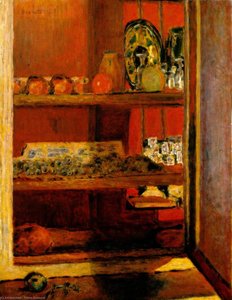
Explore Frederick Carl Frieseke's captivating 1938 'Self-Portrait.' This Impressionist oil painting reveals the artist’s contemplative nature amidst his studio, showcasing masterful technique and intimate detail.

Oppdag Frederick Carl Frieseke (1874-1939), en fremtredende amerikansk impresjonist kjent for sin «dekorative impresjonisme», blendende hagebilder og fascinerende kvinnepersoner. Utforsk kunsten hans nå!

Håndlaget oljereproduksjon

Håndmalt olje på lerret i din valgte størrelse og ramme, laget på bestilling av våre kunstnere. ( Bytt til trykk Bytt til digitalt bilde)

P118B $10
P118H $10
P118W $10
P438Z $10
P508JH $12
P508YH $12
P805H $10
P805Z $10
P919BZ $10
P919G $10
P919XJ $10
P959ZH $10
P968JZ $12
W106C $8
W218G $10
W218JH $8
W218Y $10
W307PJ $10
W316G $10
W316PJ $8
W316Y $10
W398PJ $8
W4111J $10
W500HY $15
W500JH $15
W692G $12
W849H $8
W940BG $15
W953PJ $8

Standardformat
skreddersydd
CM
INCH

Velg mellom våre forhåndsdefinerte størrelser som bevarer kunstverkets opprinnelige proporsjoner.

bredde
høyde

Du kan angi egne mål for å tilpasse en spesifikk ramme eller plass. Dersom den valgte størrelsen ikke samsvarer med originalbildets proporsjoner, vil vi enten beskjære kunstverket eller utvide maleriet med ytterligere håndmalte elementer. En digital mockup vil bli sendt til din godkjenning før produksjonen starter.
Vennligst merk at forhåndsvisningen på skjermen ikke gjenspeiler den faktiske beskjæringen eller utvidelsen. Kun mockuppen vil vise den endelige komposisjonen nøyaktig.
Selv om tilpassede størrelser er tilgjengelige, anbefaler vi å velge et mål fra den forhåndsdefinerte listen for å bevare de originale proporsjonene.

Eksempler på hva som kan endres: Erstatt ansikt med bilde av kunden; Legg til kjæledyr (f.eks. bytt ut katt med hund); Inkluder en skjult melding i bakgrunnen; Endre bakgrunnslandskap eller elementer.
Etter bestilling vil WahooArt.com-teamet sende e-post til kunden for instruksjoner og sende et utkast (mockup) som forhåndsvisning.

Verdensomspennende levering () på 3–4 uker i stedet for standard 5 uker. (15 September). Ingen kompromisser med kvaliteten.

why_choose_icon
Gratis ekspressfrakt over hele verden
why_choose_icon
Lerretsduk av høykvalitets lin
why_choose_icon
Full forsikring under transport
why_choose_icon
Garanti for refusjon av toll og importavgifter
why_choose_icon
Garantert korrekt fargegjengivelse
why_choose_icon
100 dagers returrett (kun ved mangler)
why_choose_icon
100% pengene tilbake-garanti
why_choose_icon
Rabatt ved flere kjøp

Totalpris for bestilling

$ 272

reproduction

Self-Portrait

Teknikk for reproduksjon

Størrelse på reproduksjon

-

Endelig pris

$ 272

Kort om verket

  • Artistic style: Realism and Impressionism blend
  • Title: Self-Portrait
  • Influences: Renoir
  • Subject or theme: Artist's contemplation
  • Artist: Frederick Carl Frieseke
  • Notable elements or techniques:
    • Soft brushstrokes
    • Vivid colors

Kunstighetsquiz

Det er kun ett riktig svar på hvert spørsmål.

Spørsmål 1:
Who is the artist of the Self-Portrait?
Spørsmål 2:
In what year was the 'Self-Portrait' created?
Spørsmål 3:
What artistic movement is Frederick Carl Frieseke most associated with?
Spørsmål 4:
According to the image description, what is a prominent feature of the lighting in the artwork?
Spørsmål 5:
What materials were used to create this artwork?

Self-Portrait by Frederick Carl Frieseke: A Glimpse into an Artist's World

The Self-Portrait by Frederick Carl Frieseke, created in 1938, is a captivating oil on canvas piece that showcases the artist's unique style and technique. As an expert in art and a salesman at https://WahooArt.com, I am delighted to delve into the intricacies of this artwork.

The Artist: Frederick Carl Frieseke – A Decorative Impressionist

Frederick Carl Frieseke (1874-1939) was a prominent American artist celebrated for his contributions to the Impressionist movement. Born in Owosso, Michigan, he spent much of his career as an expatriate in France, where he refined his artistic skills and developed a distinctive style often described as "decorative impressionism." Frieseke’s work is characterized by its luminous quality, serene landscapes, and intimate depictions of female subjects, all bathed in dappled sunlight. His early training included studies at the Art Institute of Chicago and the Académie Julian in Paris, where he was influenced by masters like Jean-Joseph Benjamin-Constant and Jean-Paul Laurens.

Analyzing the Self-Portrait: Technique and Composition

This self-portrait offers a rare glimpse into Frieseke’s personal world. The painting depicts the artist seated within his studio, surrounded by the tools of his trade – vases, bowls, and a chair—creating an atmosphere of quiet contemplation. He is shown wearing glasses and holding a brush, seemingly lost in thought as he gazes at his reflection in a mirror. Frieseke masterfully employs Impressionist techniques to capture the scene's essence. Soft brushstrokes and vivid colors create a sense of depth and dimensionality, while the muted backdrop enhances the overall feeling of calm. The artist’s attention to detail is evident in the intricate rendering of the objects and the subtle play of light and shadow, particularly noticeable on the surfaces of the paintings visible in the background.

Symbolism and Emotional Impact

Beyond a mere likeness, this self-portrait delves into themes of introspection and artistic creation. The studio setting symbolizes Frieseke’s dedication to his craft, while the objects surrounding him represent the inspiration and materials that fuel his creativity. The mirror serves as a symbolic portal, reflecting not only the artist's physical appearance but also his inner thoughts and emotions. The muted color palette contributes to a contemplative mood, inviting viewers to share in Frieseke’s moment of quiet solitude and focused concentration. It is an intimate portrayal of an artist at work, revealing a sense of humility and dedication.

Own a Piece of Art History: Handmade Reproductions

Handmade oil painting reproductions of the Self-Portrait are available at https://WahooArt.com, allowing art enthusiasts to own a piece of history. These meticulously crafted reproductions capture the original artwork's beauty and significance, bringing Frieseke’s vision into your home or office. For more information on Frederick Carl Frieseke and his works, visit /art/list/?Filter=frederick+carl+frieseke,frederick,carl,frieseke&. The Mead Art Museum, located in Amherst, Massachusetts, is also a great resource for learning about American art and artists like Frederick Carl Frieseke.


Om kunstneren

A Life Bathed in Sunlight: The Artistic Journey of Frederick Carl Frieseke

Born in the small Michigan town of Owosso on April 7, 1874, Frederick Carl Frieseke embarked on a path that would ultimately establish him as a pivotal figure within American Impressionism. His early years were shaped by a move to Florida following his mother’s untimely passing – an experience that instilled in him a profound appreciation for the ephemeral beauty of nature and light. Raised amidst an artistically inclined family, particularly nurtured by his aunt who encouraged his burgeoning talent for drawing, Frieseke developed a sensitivity to form and color from a young age. Despite initially being involved in his family’s brick manufacturing business, a deep-seated passion for art ultimately guided him towards formal training and a life dedicated to capturing the world around him. A transformative visit to the 1893 World’s Columbian Exposition in Chicago ignited a fervent desire within him – a yearning to immerse himself fully in the vibrant artistic currents of Europe. This pivotal experience propelled him toward enrollment at the Art Institute of Chicago, followed by a decisive relocation to Paris in 1898, a move that irrevocably shaped his artistic identity and trajectory. It was in France that Frieseke truly discovered his unique voice, absorbing the influences of masters like Whistler and allowing himself to be swept away by the creative energy of the Parisian art scene.

The Allure of Giverny and the Development of “Decorative Impressionism”

Paris quickly became more than just a place of study; it evolved into Frieseke’s adopted home, a sanctuary where he could refine his technique and explore his artistic vision with unparalleled freedom. Early influences included James Abbott McNeill Whistler, whose masterful use of tonal harmonies profoundly impacted Frieseke's approach to color and composition. However, the true catalyst for Frieseke’s distinctive style was undoubtedly the proximity to Giverny – Claude Monet’s legendary garden and home. In 1906, he secured a modest house adjacent to Monet’s estate, becoming part of a thriving artistic community centered around the renowned Impressionist. This intimate connection fostered what is often described as “decorative impressionism” – a style characterized by an exquisite elegance that distinguished Frieseke from some of his more spontaneous contemporaries. Unlike the sometimes fleeting and immediate brushstrokes of other Impressionists, Frieseke’s paintings exuded a refined sophistication, meticulously crafted with luminous colors, dappled sunlight filtering through foliage, and a deliberate emphasis on graceful female figures. He wasn't merely documenting a scene; he was constructing an idealized vision – a world imbued with serenity, beauty, and a subtle sense of romance. His work began to showcase sensual, rounded forms reminiscent of Pierre-Auguste Renoir, blended with the bolder color palettes inspired by Post-Impressionists like Paul Gauguin and Pierre Bonnard.

Themes and Techniques: Capturing Light and Femininity

Frieseke’s artistic focus consistently revolved around two central themes: the captivating effects of light and the portrayal of women. He possessed an almost obsessive fascination with how sunlight transformed ordinary scenes into moments of ethereal beauty, meticulously capturing this interplay in his paintings. His female subjects – frequently depicted lounging in sun-drenched gardens or relaxing within intimate interiors – were not simply portraits but embodiments of grace, sensuality, and quiet contemplation. *Hélène*, painted in 1901, stands as a prime example of this approach – a captivating portrait that seamlessly blends realism with an exquisite sense of Impressionistic beauty and delicate detail. Frieseke’s technique involved layering subtle brushstrokes to create a shimmering effect, evoking the sensation of sunlight dancing on skin and foliage. He often incorporated geometric elements – parasols, patterned fabrics – strategically placed to provide contrast and enhance the visual harmony of his compositions. This dedication to capturing these nuanced details earned him widespread recognition; *Before the Glass* (1904) was purchased by the French Government and subsequently displayed at the Luxembourg Gallery, a testament to his growing reputation within the art world.

Notable Works

  • Portrait of a Girl (also known as Pensive Model): A stunning blend of realism and beauty capturing quiet contemplation.
  • Hélène: Showcasing Impressionistic beauty and intimate detail, painted in 1901.
  • Self-Portrait: Reveals the artist’s contemplative nature amidst his studio, showcasing masterful technique.
  • The Garden at Giverny: A prime example of his blend of Impressionist and Post-Impressionist styles.
  • Woman in a Garden: A quintessential representation of his decorative impressionism.
  • Before the Glass (1904): Purchased by the French Government, displayed at the Luxembourg Gallery.
  • Torn Lingerie (1920): Awarded two gold medals and the popular prize at the Chicago Art Institute.

Recognition and Legacy: A Lasting Impression on American Art

Throughout his career, Frieseke garnered considerable acclaim, receiving numerous accolades that solidified his position as a leading figure in American art. He secured silver medals at the St. Louis Exposition in 1904, the Temple Gold Medal from the Pennsylvania Academy of Fine Arts in 1913, and the Grand Prize at the Panama-Pacific International Exposition in 1915. His painting *Torn Lingerie* (1920) achieved particular renown, winning two gold medals and the popular prize at the Chicago Art Institute – a remarkable achievement that further cemented his reputation. Despite his considerable success, Frieseke remained deeply committed to his life as an expatriate, preferring the artistic freedom he found in France to the constraints of American society. He passed away on August 24, 1939, leaving behind a legacy of luminous paintings that continue to resonate with audiences today. Frederick Carl Frieseke’s contribution to American Impressionism is significant not only for his exceptional technical skill but also for his ability to create scenes imbued with an enduring sense of beauty and tranquility – a testament to the power of art to transport us to idyllic realms bathed in sunlight and filled with grace.

Frederick Carl Frieseke

Frederick Carl Frieseke

1874 - 1939 , USA

Kort om kunstneren

  • Artistic Movement Or Style: Impressionisme Amerikansk
  • Artists Or Movements Influenced By This Artist:
    • Impressionisme
    • Post-impressionisme
  • Artists Who Influenced This Artist:
    • Renoir
    • Whistler
    • Gauguin
  • Date Of Birth: 7 apr 1874
  • Date Of Death: 24 aug 1939
  • Full Name: Frederick Carl Frieseke
  • Nationality: Amerikansk
  • Notable Artworks:
    • Hélène
    • Før Glass
    • Selvportrett
  • Place Of Birth: Owosso, USA
Utforsk kunstverk organisert etter temaer, stiler og kjennetegn.