

Kunstverket som vises på denne siden er beskyttet av opphavsretten, noe som betyr at vi ikke har juridisk tillatelse til å lage eller selge identiske reproduksjoner. Denne beskyttelsen håndheves i henhold til internasjonale avtaler som for eksempel Bernerkonvensjonen og av nasjonale lover, inkludert de som er fastsatt i Amerikansk lov om opphavsrett – Tittel 17.
Denne metoden er i fullt samsvar med opphavsrettslige regler, da den ikke innebærer kopiering eller duplisering av det beskyttede kunstverket. I stedet er det snakk om en kreativ nytolkning – et nytt maleri som er inspirert av originalen, men ikke identisk med den.
Giclée- eller lerretsprint av museumskvalitet med rask produksjon og fleksible valgmuligheter for etterbehandling. ( Kjøp håndmalt maleri Bytt til digitalt bilde)





























Velg mellom våre forhåndsdefinerte størrelser som bevarer kunstverkets opprinnelige proporsjoner.

Skriv inn ønsket bredde og høyde for å tilpasse trykket til din ramme eller vegg. Et trykk kan kun beskjæres, aldri skaleres opp utover motivets opprinnelige størrelse, noe som betyr at et format med andre proporsjoner vil føre til tap av deler av bildet. Vi sender deg en digital mockup for godkjenning før vi starter trykkeprosessen. Bildet som vises på denne siden viser ikke den faktiske beskjæringen — det er kun mockuppen som viser dette.
Verdensomspennende levering () på 2 uker i stedet for standard 4/5 uker. (9 November)
Study for a Pope III,
Størrelse på reproduksjon
Francis Bacon’s “Study for a Pope III,” painted in 1961, isn’t merely a depiction of a figure; it’s an excavation of the human psyche. This monochrome masterpiece, born from a period of intense introspection and societal upheaval following World War II, embodies the artist's signature style – a brutal honesty that confronts viewers with the unsettling realities of existence. The painting immediately arrests attention with its claustrophobic composition: a seated figure, rendered in stark shades of grey, is enveloped within a tightly defined space, dominated by vertical lines that seem to constrict and isolate. This isn’t a portrait intended for admiration; it's an exploration of vulnerability, anxiety, and the inescapable weight of mortality.
The subject, clearly referencing Velázquez’s iconic “Portrait of Pope Innocent X,” is deliberately distorted and fragmented. Bacon abandons the traditional conventions of Renaissance portraiture, stripping away any semblance of idealized beauty or serenity. Instead, we are presented with a figure whose features – a tilted head, a furrowed brow, an almost skeletal hand clutching at his robe – convey profound unease. The red drapery, a jarring contrast against the predominantly grey palette, adds to this sense of tension and perhaps hints at the weight of religious authority or the burden of leadership.
Bacon’s “Study” isn't simply a copy of Velázquez; it’s a deliberate engagement with a master whose work he deeply admired. The composition, particularly the use of vertical lines and the emphasis on the figure’s posture, directly references the Spanish painter’s masterful control of space and his ability to capture psychological depth within a relatively small format. However, Bacon subverts Velázquez's carefully constructed realism by injecting an overwhelming sense of emotional turmoil. The starkness of the monochrome palette amplifies this effect, eliminating any distractions and forcing the viewer to confront the raw intensity of the subject’s expression.
Furthermore, the title “Study” is crucial. It signifies that this isn't a finished work but rather an exploratory sketch – a preliminary investigation into a complex idea or emotion. It reveals Bacon’s process: a relentless pursuit of capturing fleeting moments of feeling and translating them onto canvas. The painting becomes a testament to his dedication, a visual record of the artist wrestling with his subject.
Bacon's technique is characterized by loose, gestural brushstrokes that create a sense of movement and instability. The paint seems to writhe across the canvas, mirroring the figure’s internal turmoil. The use of impasto – thick layers of paint – adds texture and physicality to the image, further emphasizing its emotional intensity. The simplification of form—reducing the Pope to essential shapes—heightens the sense of abstraction and allows the viewer to project their own anxieties onto the subject.
Beyond the immediate depiction of a figure, “Study for a Pope III” speaks to broader themes of isolation, power, and the human condition. It’s a powerful meditation on vulnerability in the face of authority, a haunting reminder of our shared mortality. The painting's enduring appeal lies in its ability to evoke a visceral response – a feeling of unease, perhaps even dread – that lingers long after viewing.
WahooArt offers meticulously crafted hand-painted reproductions of “Study for a Pope III,” allowing you to experience the full impact of this iconic work in your own space. These reproductions capture not only the visual details but also the emotional depth and textural qualities of the original painting. Whether displayed as a striking statement piece or integrated into a more subtle interior design scheme, Bacon’s “Study for a Pope III” is guaranteed to provoke thought and conversation.
Siden for Se i AR av "Study for a Pope III," av Francis Bacon bruker utvidet virkelighet (AR) for å vise kunstverket i ditt eget rom på en kompatibel enhet.
"Study for a Pope III," av Francis Bacon viser en Strong Color Unity fargeharmoni.
Francis Bacon skapte "Study for a Pope III," i 1961.


1909 - 1992 , Irland

Discover the raw emotion of Symbolic Expressionism. Our expert guide explores how masters like Munch use color and form to convey inner feelings, offering inspiration for collectors looking to bring powerful, soulful art into their modern homes.

Utforsk Francis Bacons 25 mest ikoniske malerier! Oppdag historiene bak ekspresjonistiske mesterverk, fra 'Scream' til 'Pope Innocent X'. Finn kunsttrykk og lerretstrykk av høy kvalitet for ditt hjem på WahooArt.com – museumskvalitet & inspirasjon.
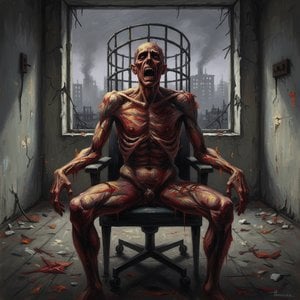
Explore the profound existential anguish of Francis Bacon's art. Discover how trauma shaped his iconic paintings & lasting influence on modern expressionism. A guide for discerning collectors.

Utforsk de 10 mest ikoniske ekspresjonistiske maleriene fra Munch, Kirchner og Kandinsky. Oppdag historien bak fargeuttrykkene og emosjonell kunst. Finn museumskvalitets reproduksjoner på WahooArt.com – inspirasjon for ditt hjem!

Oppdag Leonardo da Vincis 25 mest ikoniske kunstverk! Fordyp deg i renessansens mesterverk – fra Mona Lisa til Nattverden. Historie, teknikk og inspirasjon for ditt hjem. Finn museumskvalitets reproduksjoner på WahooArt.com.
 Forhåndsvisning
 Send
Send Del
Del
 Vis detaljer
 Utskriftsvennlig guide

 Last ned bilde
 Liknende objekter
 Røntgenundersøkelse
 Lysbildefremvisning
 Spørsmål og svar
 Statistikk

 Vis hele teksten









 Glassalternativet er kun tilgjengelig i størrelser under 110 cm


