


 Akryl på lerretVeggkunstBaroque Renaissance
 72.0 x 56.0 cm
 Galleria degli Uffizi
Giclée- eller lerretsprint av museumskvalitet med rask produksjon og fleksible valgmuligheter for etterbehandling. ( Kjøp håndlaget maleri Kjøp bilde)





























Velg mellom våre forhåndsdefinerte størrelser som bevarer kunstverkets opprinnelige proporsjoner.

Du kan oppgi egne mål for å tilpasse en spesifikk ramme eller et bestemt område. Dersom den valgte størrelsen ikke samsvarer med det originale bildets proporsjoner, vil vi enten beskjære kunstverket eller utvide bildet med en speilet eller ensfarget kant. En digital mockup vil bli sendt til din godkjenning før produksjonen starter.
Vennligst merk at forhåndsvisningen på skjermen ikke gjenspeiler den faktiske beskjæringen eller utvidelsen. Kun mockuppen vil vise den endelige komposisjonen nøyaktig.
Selv om tilpassede størrelser er tilgjengelige, anbefaler vi å velge et mål fra den forhåndsdefinerte listen for å bevare de originale proporsjonene.
Verdensomspennende levering () på 2 uker i stedet for standard 4/5 uker. (6 September)


Selvportrett
Størrelse på reproduksjon
Francesco Conti (1681 – 1760) stands as a pivotal figure within the vibrant artistic landscape of Florence during the Baroque era, embodying the spirit of innovation and profound spiritual contemplation that characterized this transformative period. His formative years were steeped in the tutelage of Giovanni Maria Morandi and Carlo Maratta—masters whose stylistic approaches profoundly shaped his own artistic vision – instilling him with an unwavering dedication to dramatic realism and masterful chiaroscuro techniques.
Early Influences: Conti’s initial training under Morandi exposed him to the refined elegance of Roman Baroque painting, emphasizing idealized forms and balanced compositions. Simultaneously, Maratta's teachings championed theatrical grandeur and emotional intensity – elements that would become integral to Conti’s artistic sensibilities. This dual mentorship ensured he absorbed both classical ideals and baroque dynamism.
Florence & Patronage: Returning to Florence after his formative years in Rome, Conti secured invaluable support from the Riccardi family, who regularly commissioned him for monumental altarpieces and provided a stable income. This patronage allowed him to pursue his artistic endeavors with unwavering commitment and fostered collaborations that enriched Florentine art history.
Conti’s signature technique involved meticulous layering of paint, creating textures that mirrored the grandeur and solemnity of his subjects. He skillfully manipulated light sources to sculpt forms and imbue canvases with an ethereal glow—a hallmark of Maratta's influence. This masterful use of chiaroscuro wasn’t merely decorative; it served as a conduit for conveying emotion and spiritual depth.
His approach mirrored the broader Baroque aesthetic, prioritizing expressive gesture and dramatic visual impact over strict adherence to classical proportions. The resulting paintings possess an undeniable sense of movement and vitality – reflecting Conti's belief that art should engage both intellect and feeling.
Conti dedicated his artistic energies primarily to religious iconography, producing a prolific output of altarpieces and devotional paintings that reflected the spiritual fervor of his time. His depictions of saints and biblical narratives resonated deeply with audiences and cemented his reputation as one of Florence’s foremost Baroque artists.
Notable works like ‘Madonna & Child with Saint Sylvester I, St. Paul and Saint Catherine of Alexandria’ exemplify this commitment to conveying sacred themes with meticulous detail and profound emotional resonance. Each canvas speaks volumes about the artist's understanding of Christian symbolism and his desire to inspire contemplation.
Francesco Conti’s legacy extends far beyond his individual masterpieces; he established a tradition of Baroque painting in Florence that continues to inspire artists today. His unwavering dedication to technique, combined with his profound sensitivity to human emotion—a characteristic shared by many of his contemporaries—solidifies his place as a cornerstone of Florentine art history.
His influence can be seen in subsequent generations of painters who embraced chiaroscuro and sought to capture the spiritual essence of their subjects. Conti’s artistic vision remains remarkably relevant, reminding us that true beauty lies not merely in visual splendor but also in conveying inner truth.


1681 - 1760 , Italy

Embark on a sophisticated journey through Italian Baroque art. Discover the dramatic interplay of light and emotion in Caravaggio’s masterpieces and explore how to bring this timeless grandeur into your collection with expert art insights.
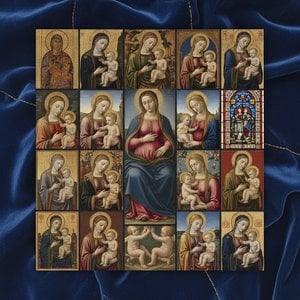
Embark on a sophisticated journey through art history with our curated guide to the most iconic Madonna and Child masterpieces. Discover the profound beauty, theological depth, and enduring legacy of these sacred Renaissance treasures.

 Forhåndsvisning
 Send
Send Del med andre
 Vis detaljer

 Last ned bildet
 Liknende objekter
 Røntgenundersøkelse
 Lysbildefremvisning
 Vis hele teksten







 Glassalternativet er kun tilgjengelig i størrelser under 110 cm


