Giclée- eller lerretsprint av museumskvalitet med rask produksjon og fleksible valgmuligheter for etterbehandling. ( Kjøp håndlaget maleri Kjøp bilde)





























Velg mellom våre forhåndsdefinerte størrelser som bevarer kunstverkets opprinnelige proporsjoner.

Du kan oppgi egne mål for å tilpasse en spesifikk ramme eller et bestemt område. Dersom den valgte størrelsen ikke samsvarer med det originale bildets proporsjoner, vil vi enten beskjære kunstverket eller utvide bildet med en speilet eller ensfarget kant. En digital mockup vil bli sendt til din godkjenning før produksjonen starter.
Vennligst merk at forhåndsvisningen på skjermen ikke gjenspeiler den faktiske beskjæringen eller utvidelsen. Kun mockuppen vil vise den endelige komposisjonen nøyaktig.
Selv om tilpassede størrelser er tilgjengelige, anbefaler vi å velge et mål fra den forhåndsdefinerte listen for å bevare de originale proporsjonene.
Verdensomspennende levering () på 2 uker i stedet for standard 4/5 uker. (7 September)


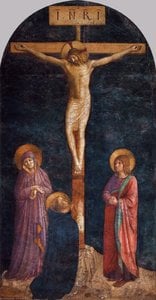
Annunciation. The Visitation
Størrelse på reproduksjon
Fra Angelico’s “Annunciation. The Visitation,” a cornerstone of Early Renaissance art, transcends mere religious depiction to become an embodiment of spiritual grace and artistic innovation. This painting, meticulously crafted around 1430-1437, offers a profound glimpse into the devotional practices and burgeoning aesthetic sensibilities of Quattrocento Italy. More than just a representation of a pivotal biblical moment – Mary’s visit to Elisabeth after receiving the divine announcement – it is a testament to Fra Angelico's mastery of composition, color, and symbolism, qualities that cemented his legacy as one of the era’s most revered artists.
“Annunciation. The Visitation” is inextricably linked to the broader artistic and intellectual currents of the Quattrocento. This period witnessed a fervent return to classical antiquity, coupled with a burgeoning interest in humanism – an emphasis on human potential and achievement. Fra Angelico’s work embodies this spirit through its detailed depiction of the figures, their expressions conveying profound emotion and respect. The painting isn't simply illustrating a biblical story; it is engaging with fundamental questions about faith, humanity, and the divine relationship between them. The influence of Brunelleschi’s architectural innovations, particularly his pioneering use of linear perspective, can be subtly detected in the spatial arrangement, demonstrating the artist’s engagement with cutting-edge developments in artistic theory.
Beyond its aesthetic qualities, “Annunciation. The Visitation” is rich in symbolic meaning. The embrace between Mary and Elisabeth represents not only their familial connection but also a deeper spiritual bond – a testament to the power of faith and mutual support. The landscape itself holds significance; the distant town and tower symbolize earthly concerns while simultaneously anchoring the scene within a recognizable, albeit idealized, reality. The carefully chosen colors—earthy tones punctuated by vibrant blues and reds—further enhance the painting’s symbolic weight, evoking notions of piety, royalty, and divine grace.
Fra Angelico's "Annunciation. The Visitation" remains a profoundly moving work of art, admired for its spiritual depth, technical brilliance, and enduring relevance. It stands as a pivotal moment in the development of Italian Renaissance painting, influencing generations of artists to come. Its depiction of faith, family, and human connection continues to resonate with viewers today, solidifying its place as a masterpiece of Early Renaissance art.


1395 - 1455 , Italia

Discover the timeless art of fresco painting. Explore the profound history, technical mastery of buon fresco, and the enduring legacy of Renaissance masters like Michelangelo in this expert guide to painting on wet plaster.

Embark on a profound journey through the ethereal masterpieces of Fra Angelico. Discover the spiritual depth, divine light, and technical brilliance of the 'Angelic Painter' in this expert exploration of Early Renaissance devotion and sacred art history.

Explore the profound mastery of fresco painting, from the technical alchemy of buon fresco to the legendary narratives of Renaissance masters like Ghirlandaio. Discover how this timeless medium shaped art history and continues to inspire architectural grandeur today.

 Forhåndsvisning
 Send
Send Del med andre
 Vis detaljer

 Last ned bildet
 Liknende objekter
 Røntgenundersøkelse
 Lysbildefremvisning
 Vis hele teksten







 Glassalternativet er kun tilgjengelig i størrelser under 110 cm