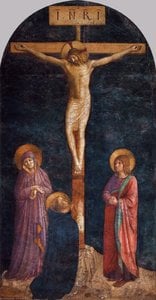
Annalena Altarpiece: A Renaissance Vision of Grace
Fra Angelico’s Annalena Altarpiece, a masterpiece from the early 1430s, is more than just a painting; it's an invitation into a world of profound spiritual contemplation. Created during Florence’s vibrant Quattrocento period – a time when art and faith intertwined with unprecedented intensity – this altarpiece offers a glimpse into the heart of Early Renaissance devotional art. At its core lies the *Virgin and Child enthroned*, surrounded by a carefully selected group of saints, a composition that masterfully balances both intellectual depth and deeply human tenderness. The painting’s enduring power stems not only from its exquisite beauty but also from its ability to evoke a sense of serenity and connection with the divine – a quality that continues to resonate with viewers centuries later.
The altarpiece emerged within the chapel of Saints Cosmas and Damian in Florence's Basilica di San Lorenzo, commissioned by the influential Medici family. Cosimo de’ Medici, a rising figure of power and patronage, recognized Angelico’s unique talent for imbuing religious imagery with an extraordinary sense of grace and emotional resonance. This commission reflects the Medicis’ commitment to both piety and artistic innovation – hallmarks of their influence during this transformative era in Florentine history. The altarpiece was conceived as part of a larger decorative program, designed to transform the chapel into a sacred space dedicated to worship and reflection, a testament to the family's desire to create an environment that fostered spiritual growth.
Bridging Tradition and Innovation: Angelico’s Artistic Style
Fra Angelico’s artistic style is instantly recognizable – characterized by its delicate beauty, luminous colors, and an almost ethereal quality. He skillfully blended elements of Byzantine iconography—evident in the gold backgrounds and stylized figures—with emerging Renaissance principles. Notice how he subtly attempts to incorporate perspective, creating a sense of depth despite the somewhat flattened space characteristic of Early Renaissance painting. The saints are not static icons; they possess individual expressions and gestures that convey their devotion with remarkable nuance.
A key element of Angelico’s style is his masterful use of oil paint – a relatively new medium in Italy at the time. This innovation allowed him to achieve greater detail, richer colors, and more subtle gradations of light and shadow compared to traditional fresco or tempera techniques. The result is a painting that vibrates with life and emotional intensity. The brushwork itself is incredibly delicate, suggesting a meditative process—as if Angelico were not merely applying paint but carefully sculpting light and form.
Decoding the Symbolism: A Language of Faith
Every element within the altarpiece carries profound symbolic weight. The *Virgin Mary*, seated on a throne-like chair, embodies both earthly motherhood and heavenly queenship – a powerful representation of her dual role as both human mother and divine queen. The *Christ Child*, held protectively in her arms, symbolizes salvation and divine grace. Flanking Mary are *Saints Cosmas and Damian*, patrons of physicians—a fitting inclusion for a chapel potentially serving the medical community. Below, in the predella (the lower register), stand further saints: *Zenobius*, Florence’s first bishop; *Reparata*, a local saint venerated for her purity; *John the Baptist*, a precursor to Christ; and *Lawrence*, a deacon martyred for his faith.
Their inclusion is deliberate, reinforcing themes of healing, protection, and spiritual devotion that were relevant to the chapel’s purpose and the Medici family's piety. The careful arrangement of these figures creates a visual narrative—a testament to the interconnectedness of earthly and divine realms. Each saint represents a specific virtue or aspect of faith, contributing to the altarpiece’s overall message of hope and salvation.
Emotional Resonance & Legacy: A Timeless Masterpiece
Beyond its technical brilliance and symbolic richness, this altarpiece possesses an extraordinary emotional power. The gentle expressions on Mary and Jesus evoke feelings of tenderness, compassion, and serenity. The saints gaze upon them with reverence and adoration, creating an atmosphere of profound spiritual connection. This ability to convey such deep emotion through paint is what truly sets Fra Angelico apart as one of the most beloved artists of the Early Renaissance.
The Annalena Altarpiece continues to inspire awe and devotion centuries after its creation – a testament to the enduring power of faith, artistic vision, and the profound beauty that can be achieved when these elements converge. It remains a poignant reminder of humanity’s eternal quest for meaning and connection with the divine.
Key Features for Collectors & Designers
- Subject Matter: A classic depiction of the Virgin and Child with attendant saints, ideal for devotional settings or spaces seeking a sense of tranquility.
- Color Palette: Rich reds, blues, greens, and golds create a visually stunning composition that complements various interior styles.
- Style & Period: Early Renaissance – a timeless aesthetic that blends religious iconography with emerging artistic techniques.
- Emotional Impact: Evokes feelings of peace, serenity, and spiritual contemplation.
- Ideal for: Churches, chapels, private devotional spaces, or as a focal point in interiors seeking a touch of Renaissance elegance.
Photo Description: The artwork presents a serene Renaissance scene depicting the Virgin Mary cradling the infant Jesus amidst a group of Franciscan monks. The composition is layered and receding, with figures arranged within a shallow space framed by a richly colored background dominated by greens and golds. The style reflects Early Italian Renaissance painting, characterized by meticulous detail, realistic representation (with stylized elements), and an emphasis on conveying spiritual meaning. The technique appears to be fresco secco or tempera on panel, evidenced by the texture of the paint. Lines are used with precision to define figures and architectural details. Shapes predominantly geometric – squares, rectangles, and circles – contribute to a structured composition. Textures vary from smooth surfaces on robes to more textured areas in drapery folds. The lighting is diffused, suggesting an interior setting, enhancing the painting’s solemn atmosphere.



 Forhåndsvisning
 Kjøp håndlaget maleri
 Send
Send Del med andre
 Vis detaljer

 Last ned bildet
 Liknende objekter
 Røntgenundersøkelse
 Lysbildefremvisning
 Statistikk

 Vis hele teksten






































 Glassalternativet er kun tilgjengelig i størrelser under 110 cm