Om kunstneren
A Life Etched in Symbolism: The World of Ferdinand Hodler
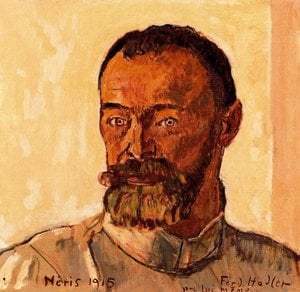
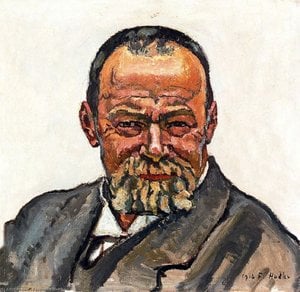
Ferdinand Hodler, et navn som er uløselig knyttet til det sveitsiske malerilandskapet og den kraftfulle språket til symbolisme, steg opp fra ydmyke begynnelser for å bli en av de mest betydningsfulle kunstnerne på slutten av 1800-tallet og tidlig på 1900-tallet. Født i Bern, Sveits, i 1853, var hans liv dypt formet av tidlige tap – et tilbakevendende tema som ville gjennomsyre hans kunstneriske visjon. De uforutsette dødsfallene til faren og to yngre brødre før han rakk tenårene kastet en lang skygge over ham, og la grunnlaget for en dyp kontemplasjon om dødelighet og livets flyktige natur. Disse opplevelsene, vevd sammen med en skarp følelsesmessig sensitivitet for naturens skjønnhet og makt, ble sentrale prinsipper i hans utviklende verk. I utgangspunktet lærte Hodler som dekorasjonsmaler, men hans iboende talent overgikk raskt disse kommersielle grensene; han lengtet etter formell opplæring og kunstnerisk utforskning utenfor de begrensningene av håndverk. Denne ambisjonen førte ham til Genève i 1871, hvor han fordypet seg i studier, deltok på vitenskapelige forelesninger samtidig som han nøye kopierte mesterverk på byens museum – en streng utdanning som la grunnlaget for hans fremtidige innovasjoner.
Fra Realisme til ‘Parallelisme’: Skapelse av en Unik Visjon
Hodlers kunstneriske reise var preget av konstant utvikling og en vedvarende søken etter uttrykkskraft. Hans tidlige verk reflekterte den rådende realistiske stilen på den tiden – portretter, landskap og sjangertemaer utført med nøyaktig detalj. Likevel fant han snart seg begrenset av disse konvensjonene, søkende etter en måte å formidle dypere emosjonelle sannheter og filosofiske ideer. Denne jakten førte ham mot symbolisme, en bevegelse som fornekter naturalistsk representasjon til fordel for subjektiv erfaring og suggestive bilder. Likevel adopterte Hodler ikke bare symbolismens prinsipper; han skapte i stedet sin egen unike vei, og utviklet det han kalte “parallelisme”. Denne distinkte stilen involverte å arrangere figurer og former i rytmiske, nesten geometriske mønstre, og skapte en følelse av både harmoni og spenning – en visuell representasjon av sammenheng. Det var et forsøk på å forestille ikke bare *hva* han så, men *hvordan* han følte – de underliggende emosjonelle strømmene som forbinder alt. Natt, ferdigstilt i 1890, ble et avgjørende verk, og markerte hans definitive vending mot symbolistiske bilder og utløste betydelig kontrovers med sin fremstilling av liggende figurer som antyder død og ro. Til tross for den opprinnelige kritikken, fikk maleriet oppmerksomhet i Paris, og etablerte Hodlers rykte utenfor Sveits’ grenser og signaliserte ankomsten av en ekte original stemme.
Landemerker i Maleri: Nøkkelverk og Deres Betydning
Gjennom sin produktive karriere produserte Hodler et bemerkelsesverdig kunstnerisk utvalg som fortsatt resonerer med publikum i dag. Dag, ferdigstilt i 1893, står som ett av hans mest ambisiøse og berømte verk – et monumentalt historiemaleri som viser hans mesterskap innen komposisjon og symbolisme. Huset på Kunsthaus Zürich er en kraftfull meditasjon om liv, død og gjenoppstandelse, fremstilt med en fengslende blanding av realisme og visjonær intensitet. Skalaen og den emosjonelle vekten til Dag forsterket Hodlers posisjon som en ledende figur i europeisk kunst. Andre merkningsverdige verk inkluderer utallige fremstillinger av de sveitsiske Alpene, fylt med en følelse av imponerende storhet, og portretter som avslører hans dype forståelse av menneskelig psykologi. Han gjentok ofte temaer om tap og sorg, kanskje som et speilbilde av sine egne barndomstraumer, men alltid innkapslet dem i en følelse av verdighet og motstandskraft. Hans malerier var ikke bare representasjoner; de var emosjonelle landskap, som inviterte seerne til å reflektere over livets grunnleggende spørsmål. Verk som Sannhet II (1897) demonstrerer Hodlers evne til å blande klassiske former med moderne sanser, og skape bilder som er både tidløse og slående samtidige – et vitnesbyrd om hans innovative ånd.
En Varig Arv: Innflytelse og Historisk Kontekst
Ferdinand Hodlers innflytelse utvidet seg langt utenfor Sveits’ grenser. Hans innovative bruk av symbolisme og utviklingen av “parallelisme” banet vei for ekspresjonismen, med vekt på subjektiv følelse og forvrengte former. Kunstnere som fulgte i hans fotspor anerkjente ham som en forkjemper for deres egne utforskninger av indre erfaring. Hodlers verk resonerte også med bredere kulturelle strømninger i det siste 1800-tallet og tidlige 1900-tallet – en periode preget av raske sosiale endringer, vitenskapelige fremskritt og en økende følelse av eksistensiell angst. Hans malerier tilbød et visuelt språk for å takle disse komplekse problemene, og ga trøst og innsikt i en stadig mer usikker verden. I dag er Hodlers verk beholdt i store museer over hele Europa og utover, og sikrer at hans kunstneriske visjon fortsetter å inspirere og utfordre generasjoner av seere. Han forblir en fremtredende figur i sveitsisk kunsthistorie, feiret ikke bare for sin tekniske dyktighet, men også for sin dype emosjonelle dybde og hans urokkelige engasjement for å utforske livets mysterier.



 Forhåndsvisning
 Kjøp håndlaget maleri
 Send
Send Del med andre
 Vis detaljer
 Veiledning

 Last ned bildet
 Liknende objekter
 Røntgenundersøkelse
 Lysbildefremvisning
 Statistikk


 Vis hele teksten






































 Glassalternativet er kun tilgjengelig i størrelser under 110 cm