A Life Painted in Bold Strokes: The World of Paul Gauguin
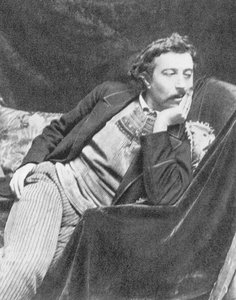
Eugène Henri Paul Gauguin, et navn som runger med livfull farge og opprørsk ånd, står som en sentral figur i overgangen fra impresjonismen til moderne kunst. Han ble født i Paris i 1848, og livet hans var langt ifra konvensjonell. Hans tidlige år ble formet av et uvanlig barndomsliv; faren hans var journalist, og moren hans nedstammet fra peruansk aristokrati – bestemorenen hennes, Flora Tristan, en banebrytende feminist og sosialistisk forfatter hvis idealer utvilsomt gjenspeilet seg i familien. Dette arvet ville dypt påvirke Gauguins kunstneriske visjon, og gi ham en fascinasjon for kulturer utenfor Europa. En dannelsestid brukt i Peru som barn, etterfulgt av familiens flytting i 1850, fordypet ham i en verden svært forskjellig fra parisisk samfunn, en opplevelse som hang igjen og til syvende og sist drev ham med å søke autentisitet i kunsten. Etter hjemkomst til Frankrike etter farens død, mottok Gauguin formell utdanning, men fant seg tiltrukket av verdenen til finansverdenen, og begynte en karriere som aksjehandler – en vei som virket i strid med den kunstneriske skjebnen som ventet ham.
Fra Finans til Kunstnerisk Kall
I mange år ledet Gauguin et dobbeltliv, ivrig etter å forfølge sine forretningsinteresser samtidig som han hemmelig pleide en lidenskap for maling. I utgangspunktet ble han påvirket av impresjonistene og begynte å eksperimentere med farge og lys i sin fritid, men følte snart at de var begrenset av deres dedikasjon til å fange flyktige øyeblikk av virkeligheten. Den økonomiske krisen i 1882 viste seg som et vendepunkt, og tvang ham til å forlate sin lønningsomme karriere og helhjertet omfavne sin kunstneriske kall. Dette var ikke bare en endring i yrke; det var en fundamental endring i verdenssyn. Han søkte veiledning fra Camille Pissarro, som oppmuntret ham og introduserte ham for de avantgarde-kretsene i Paris. Likevel begynte Gauguin raskt å avvike fra impresjonistiske prinsipper, lengtet etter noe mer uttrykksfullt, noe mer symbolsk – et middel til å formidle ikke bare det han *så*, men det han *følte*. Dette ønsket førte ham på en reise for kunstnerisk utforskning som ville ta ham langt utenfor parisiske salonger og inn i hjertet av «primitiv» kultur. Han var ikke bare interessert i å forestille seg disse kulturene; han søkte å absorbere deres essens, og mente at de holdt en renhet som var tapt i vestlig sivilisasjon.
Kall til Bretagne og Tahiti
Gauguins kunstneriske utvikling var uatskillelig knyttet til hans reiser. Han brukte tid i Bretagne, fascinert av landskapenes robuste uttrykk og de dype røttene til tradisjonene i dets folk. Denne perioden så han eksperimentere med flate former, kraftige konturer og forenkling av komposisjonen – teknikker som drev ham lenger fra naturalismen og nærmere en mer symbolsk språk. Men hans reise til Tahiti i 1891 løsnet virkelig hans kreative potensial. Søkende et fristed fra det han oppfattet som de kvalmende begrensningene i europeisk sivilisasjon, håpet Gauguin å finne inspirasjon i polynesisk kultur, og mente at den tilbød en renere, mer autentisk livsform. Dette var ikke bare en kunstnerisk søken; det var en åndelig søken. Han fordypet seg i lokale skikker og tro, og forestilte polynesiske kvinner, landskap og religiøse praksiser gjennom sitt unike perspektiv. Påvirket av japanske trykk – *Japonisme* – og middelalderkunst, utviklet han en distinkt estetikk preget av livlige farger, eksotisk motivmateriale og et preg av mystikk. Ikoniske malerier som «Vahine no te miti» (Kvinne med mango), «Manao Tupapau» (Overvåket av den døde ånd) og «Dagen til gudene» oppsto i denne perioden, og solidifiserte hans rykte som en visjonær kunstner. Hans bruk av farger ble stadig mer dristig og ikke-naturlig, tjente ikke til å reprodusere virkeligheten, men for å uttrykke følelser og åndelig mening.
Arv og Kontrovers
Til tross for sine kunstneriske gjennombrudd var Gauguins liv ofte preget av vanskeligheter. Han kjempet med økonomiske problemer og svekkende helse under oppholdet i Tahiti og senere på Marquesasøyene, hvor han til slutt etablerte seg. Likevel fortsatte han å male produktivt, utrettelig utforsket temaer om liv, død og åndelighet. Han døde i 1903 på Hiva Oa, en avsidesliggende øy i Marquesasarkipelaget, stort sett ukjent for sin genialitet. Det var først etter hans død at Gauguins verk begynte å motta den anerkjennelsen det fortjente. I dag feires han som en sentral figur i utviklingen av moderne kunst, og forbinder gapet mellom impresjonismen og symbolismen, og baner vei for bevegelser som fauvisme. Hans bruk av farger, forenklede former og symbolske bilder har hatt en dyp innflytelse på kunstnere som Pablo Picasso, Henri Matisse og utallige andre. Likevel er Gauguin fortsatt en kontroversiell figur på grunn av aspekter ved hans personlige liv – spesielt hans forhold til unge polynesiske kvinner – som fortsetter å bli debattert og tolket i lys av samtidige etiske hensyn. Likevel er hans kunstneriske bidrag ubestridelige, og hans arv inspirerer fortsatt kunstnere og kunstelskere over hele verden. Han var en ekte innovatør, en opprører som torde utfordre konvensjoner og forme sin egen vei, og etterlot seg et verk som er like fengslende og gåtfullt som mannen selv.
Nøkkelpåvirkninger & Kunstneriske Karakteristikker
- Impresjonisme: Tidlig påvirkning av farge og lys, senere forkastet for sin fokus på flyktige øyeblikk.
- Japonisme: Inspirert til flate perspektiver, kraftige konturer og dekorative mønstre.
- Middelalderkunst: Påvirket symbolske bilder og en avvisning av streng realisme.
- Syntetisme: En stil utviklet av Gauguin som legger vekt på å skape kunst basert på subjektiv opplevelse snarere enn objektiv observasjon.
- Primitivism: Fascinasjon med ikke-vestlige kulturer, og mente at de tilbød en renere og mer åndelig livsform. Dette gjenspeiles i motivmaterialet hans og stilvalgene.



 Forhåndsvisning
 Kjøp håndlaget maleri
 Send
Send Del med andre
 Vis detaljer

 Last ned bildet
 Liknende objekter
 Røntgenundersøkelse
 Lysbildefremvisning
 Stats
Stats

 Vis hele teksten






































 Glassalternativet er kun tilgjengelig i størrelser under 110 cm