


 WatercolorWallArtRomantic Landscape
 179719th Century
 167.0 x 217.0 cm
 Hamburger Kunsthalle
Giclée- eller lerretsprint av museumskvalitet med rask produksjon og fleksible valgmuligheter for etterbehandling. ( Kjøp håndlaget maleri Kjøp bilde)





























Velg mellom våre forhåndsdefinerte størrelser som bevarer kunstverkets opprinnelige proporsjoner.

Du kan oppgi egne mål for å tilpasse en spesifikk ramme eller et bestemt område. Dersom den valgte størrelsen ikke samsvarer med det originale bildets proporsjoner, vil vi enten beskjære kunstverket eller utvide bildet med en speilet eller ensfarget kant. En digital mockup vil bli sendt til din godkjenning før produksjonen starter.
Vennligst merk at forhåndsvisningen på skjermen ikke gjenspeiler den faktiske beskjæringen eller utvidelsen. Kun mockuppen vil vise den endelige komposisjonen nøyaktig.
Selv om tilpassede størrelser er tilgjengelige, anbefaler vi å velge et mål fra den forhåndsdefinerte listen for å bevare de originale proporsjonene.
Verdensomspennende levering () på 2 uker i stedet for standard 4/5 uker. (7 September)


Landscape with Pavilion
Størrelse på reproduksjon
In the quietude of Caspar David Friedrich's "Landscape with Pavilion," painted in 1797, we encounter more than a mere depiction of nature; we step into a profound meditation on solitude and the sublime. As one of the most evocative works from the German Romantic era, this piece captures a pivotal moment in art history when the rationalism of the Enlightenment began to yield to the raw, unbridled power of emotion and imagination. The composition invites the viewer to wander through a meticulously crafted tableau where a small, elegant pavilion sits nestled amongst dense, dark coniferous trees, acting as a silent sentinel within the vastness. This architectural element provides a focal point for our gaze, yet it serves primarily to emphasize the overwhelming scale of the surrounding wilderness. Scattered throughout the foreground, sheep graze with a peaceful, pastoral innocence, their presence adding a layer of tranquil life that contrasts beautifully with the deeper, more mysterious shadows of the forest.
The technical mastery displayed in this work is nothing short of breathtaking, making it an exquisite choice for those who appreciate the nuances of classical technique. Friedrich employs a masterful use of atmospheric perspective, creating a sense of infinite depth that draws the eye toward the horizon. His palette is intentionally muted, dominated by earthy browns, deep forest greens, and ethereal blues—colors selected not merely for their representational accuracy, but for their ability to evoke a specific, melancholic mood. Through the delicate application of glazing techniques, layering thin, translucent washes of color over textured surfaces, Friedrich achieves a luminous quality. This allows light to seem as though it is emanating from within the landscape itself, capturing the subtle, shifting nuances of light and shadow that define a truly living environment.
To gaze upon this painting is to engage with the philosophical heart of Romanticism. Friedrich was deeply influenced by the concept of the Sublime—the feeling of awe mixed with a hint of terror when confronted with the grandeur of the natural world. The pavilion, while a man-made structure, does not dominate the landscape; rather, it is absorbed by it, symbolizing humanity's humble place within the divine order of nature. This tension between the civilized and the wild is a central theme that resonates deeply with modern viewers. For the collector or interior designer, this piece offers a profound emotional anchor, providing a sense of stillness and introspection that can transform the atmosphere of any room.
The historical context of the work further enriches its meaning. Created during a period when Friedrich was honing his skills in Copenhagen, the painting reflects the influence of the English landscape garden movement, which sought to create "natural" yet highly emotional vistas. Every element—from the sturdy fence separating the sheep to the distant, misty trees—is a carefully placed symbol of life's transience and the enduring beauty of the earth. Whether displayed in a grand gallery or as a centerpiece in a sophisticated contemporary home, "Landscape with Pavilion" serves as a timeless reminder of our spiritual connection to the world around us, offering an unparalleled sense of peace and contemplative beauty.

1774 - 1840 , Tyskland

Utforsk James Abbott McNeill Whistlers 25 mest ikoniske kunstverk! Oppdag historien bak Nocturnes, portretter og impresjonistisk harmoni. Finn museumskvalitets reproduksjoner & interiørinspirasjon på WahooArt.com.

Oppdag Mark Rothkos 25 mest ikoniske malerier! Fordyp deg i abstrakt ekspresjonisme, fargefeltmaling og emosjonell kunsthistorie. Finn inspirasjon til ditt hjem med museumskvalitets reproduksjoner på WahooArt.com.
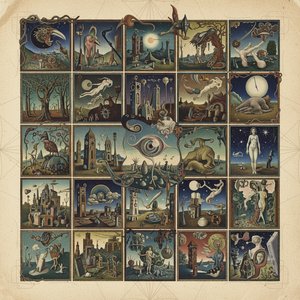
Utforsk Max Ernsts 25 mest ikoniske surrealistiske malerier! Oppdag historien bak hvert mesterverk, teknikken og den tidløse skjønnheten. Finn kunsttrykk av høy kvalitet til ditt hjem på WahooArt.com – inspirert av drømmekunst og avantgarde.
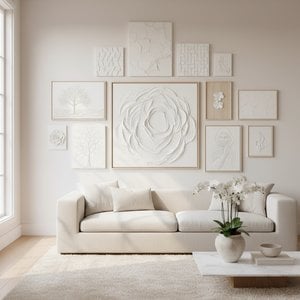
Utforsk de 10 mest ikoniske maleriene dominert av hvitt – fra Monet til Van Gogh. Lær historien bak disse mesterverkene og finn inspirasjon for ditt hjem. Museumskvalitet kunsttrykk på WahooArt.com! Oppdag hele samlingen online.

Utforsk Édouard Manets 25 mest ikoniske malerier! Oppdag historien bak impresjonismens revolusjonære kunstverk – fra 'Le Déjeuner sur l'herbe' til 'Olympia'. Finn inspirasjon og museumskvalitets reproduksjoner for ditt hjem på WahooArt.com.

 Forhåndsvisning
 Send
Send Del med andre
 Vis detaljer

 Last ned bildet
 Liknende objekter
 Røntgenundersøkelse
 Lysbildefremvisning
 Vis hele teksten







 Glassalternativet er kun tilgjengelig i størrelser under 110 cm


