Barbara Hepworth - En Pioner innen Moderne Skulptur
Barbara Hepworth (født 10. januar 1903, død 20. mai 1975) var en av de største engelske billedhoggerne i det tyvende århundret og en betydelig figur innen moderne kunsthistorie. Hun ble født i Wakefield, West Yorkshire, og fikk tidlig inspirasjon fra landskapet rundt byen – spesielt Yorkshire’s dramatiske klippeområder – noe som ville forme hennes estetiske visjon og bli et tilbakevendende tema i hennes verk. Hepworth studerte kunst ved Leeds School of Art og senere ved Royal College of Art i London, hvor hun møtte sin fremtidige kollega og venn Henry Moore, noe som startet en fruktbar kreativ dialog og samarbeid gjennom hele livet.
- Tidlig Liv og Utdanning
- Kunstnerisk Karriere: Fra Abstraksjon til Organiske Former
- Viktige Verk og Utstillinger
- Påvirkning og Arv
- Hepworth Wakefield og hennes Museer
Kunstnerisk Karriere: Fra Abstraksjon til Organiske Former
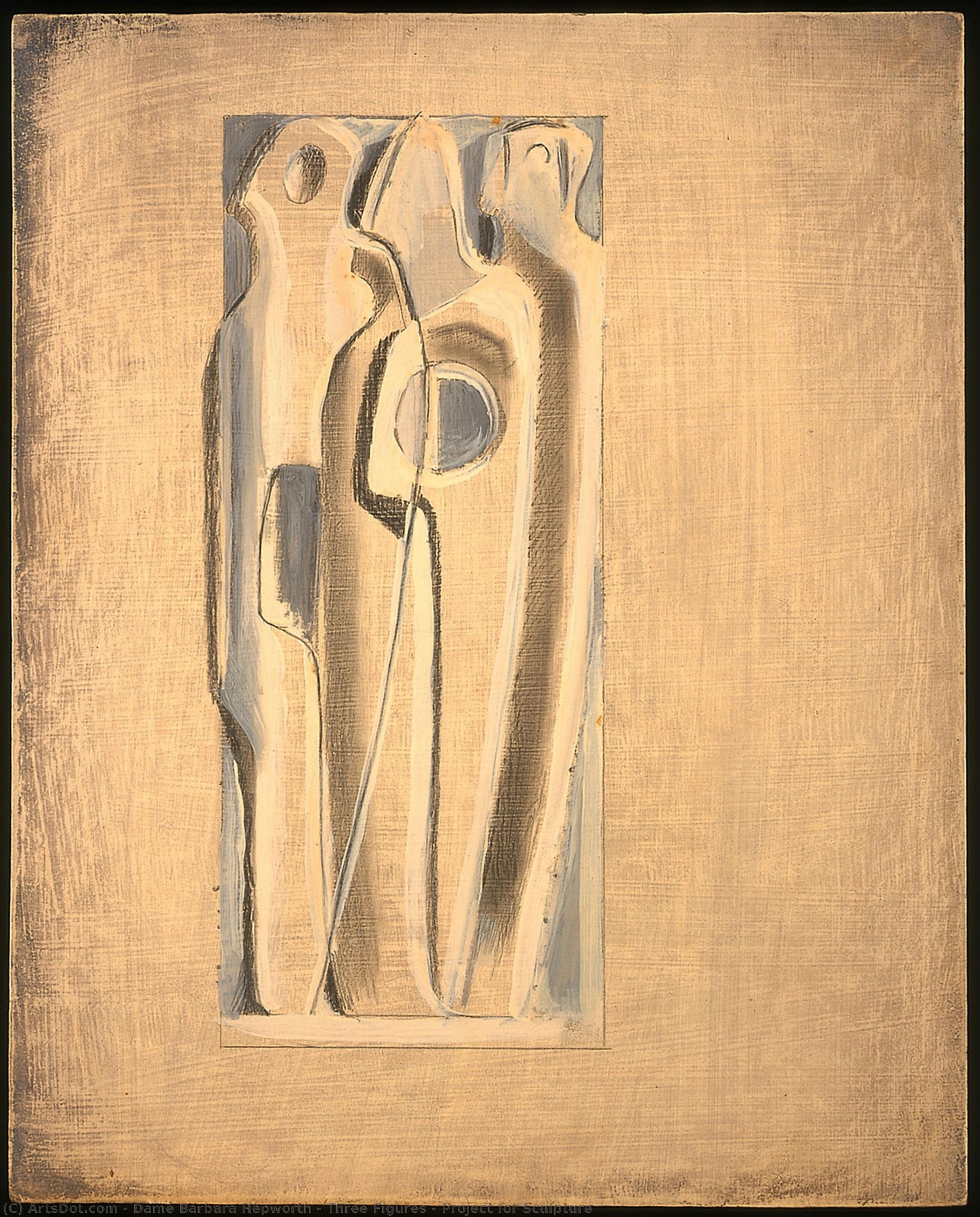
Hepworths kunst utviklet seg gjennom flere faser, hvor hun begynte med abstrakte komposisjoner inspirert av surrealismen og kubismen. Samtidig var hun aktiv i Unit One-bevegelsen sammen med Ben Nicholson og andre kunstnere som søkte å forene surrealisme og abstraksjon i britisk kunst. Denne tidlige perioden ble preget av eksperimentering med geometriske former og materialer, noe som reflekterte den generelle estetiske tendensen innen moderne kunst på begynnelsen av 1930-tallet. Hepworths stil ble ytterligere utviklet etter andre verdenskrigens utbrudd da hun flyttet til St Ives, Cornwall, hvor hun etablerte seg som en viktig stemme innen samtidskunsten og fortsatte å produsere verk som utforsket forholdet mellom menneske og natur. Hepworth var spesielt fascinert av hvordan materialer kunne kommunisere følelser og ideer, noe som førte til bruk av nye teknikker og materialer som stein og aluminium.
Viktige Verk og Utstillinger
Hepworths verk er blant de mest kjente innen moderne skulptur og har blitt vist frem i verdens viktigste museer og kunstinstitusjoner. Bland annet er hennes monumental skulptur *Oval Form* en del av Kimbell Art Museums samling i Fort Worth, Texas, og *Two Forms* utstilles på Hepworth Wakefield i Wakefield, England. Hepworths verk har også blitt inkludert i flere internasjonale kunstbiennaler, hvor hun mottok flere priser og ble anerkjent som en av verdens fremste skulptører. Et spesielt viktig verk er hennes keramikkserie *Landscape Sculpture*, hvor Hepworth utforsket hvordan naturlige former kunne brukes til å skape abstrakte komposisjoner. Hepworths kunst har hatt stor innflytelse på senere generasjoner av kunstnere og fortsatt å inspirere kunstnere rundt om i verden.
Påvirkning og Arv
Barbara Hepworth var en pioner innen moderne skulptur og ble sett på som en av de få kvinnelige kunstnerne som oppnådde internasjonal prestisje på sin tid. Hun var inspirert av verkene til kunstnere som Constantin Brancusi og Henry Moore, og hennes arbeid reflekterte den generelle estetiske tendensen innen moderne kunst på begynnelsen av 1930-tallet. Hepworths kunst har hatt stor innflytelse på utviklingen av abstrakt skulptur og har fortsatt å inspirere kunstnere rundt om i verden. Hepworth Wakefield, grunnlagt i hennes ære, er dedikert til å fremme Hepworths verk og hennes kunstneriske arv. Hepworths museer viser også verk av andre viktige kunstnere fra samme periode og bidrar til å dokumentere og videreføre kunsthistorien.
Hepworth Wakefield og hennes Museer
Hepworth Wakefield er et offentlig kunstmuseum som ligger i Wakefield, hvor Hepworth ble født. Museet har en omfattende samling av Hepworths verk og andre moderne skulpturer fra samme periode, noe som gir besøkende mulighet til å oppleve Hepworths kunstneriske univers og hennes betydning innen kunsthistorien. Museet er kjent for sin imponerende arkitektur og sitt fokus på å fremme dialog mellom kunst og publikum. Hepworth Wakefield har også et eget skulpturpark hvor besøkende kan komme tett på Hepworths verk og utforske forholdet mellom menneske og natur. Museet fortsetter å utvikle seg og tilby nye aktiviteter og utstillinger for å engasjere publikum og videreføre Hepworths kunstneriske arv.


 Forhåndsvisning
 Bytt til trykk
 Send
Send Del med andre
 Vis detaljer
 Veiledning

 Last ned bildet
 Liknende objekter
 Røntgenundersøkelse
 Lysbildefremvisning
 Statistikk


 Vis hele teksten






































 Glassalternativet er kun tilgjengelig i størrelser under 110 cm


