


 Acrylic On CanvasWallArtRenaissance
 1500Renaissance
 72.0 x 54.0 cm
Giclée- eller lerretsprint av museumskvalitet med rask produksjon og fleksible valgmuligheter for etterbehandling. ( Kjøp håndlaget maleri Kjøp bilde)





























Velg mellom våre forhåndsdefinerte størrelser som bevarer kunstverkets opprinnelige proporsjoner.

Du kan oppgi egne mål for å tilpasse en spesifikk ramme eller et bestemt område. Dersom den valgte størrelsen ikke samsvarer med det originale bildets proporsjoner, vil vi enten beskjære kunstverket eller utvide bildet med en speilet eller ensfarget kant. En digital mockup vil bli sendt til din godkjenning før produksjonen starter.
Vennligst merk at forhåndsvisningen på skjermen ikke gjenspeiler den faktiske beskjæringen eller utvidelsen. Kun mockuppen vil vise den endelige komposisjonen nøyaktig.
Selv om tilpassede størrelser er tilgjengelige, anbefaler vi å velge et mål fra den forhåndsdefinerte listen for å bevare de originale proporsjonene.
Verdensomspennende levering () på 2 uker i stedet for standard 4/5 uker. (7 September)


Ecce Homo.
Størrelse på reproduksjon
Andrea Mantegna’s Ecce Homo stands as a monumental achievement of Renaissance art—a poignant meditation on suffering and divine sacrifice rendered with unparalleled precision and psychological depth.
Painted in 1500, this tempera on canvas artwork measuring 72 x 54 cm resides at the Musée Jacquemart-André in Paris. The painting confronts viewers with a stark depiction of Jesus Christ being presented to Pontius Pilate by the crowd—a pivotal moment recounted in John’s Gospel. Mantegna eschews grand theatricality, opting for a claustrophobic framing around Christ’s bust, emphasizing his vulnerability against the backdrop of hostile faces.
Mantegna's masterful use of tempera on canvas achieves a remarkable level of textural detail and luminosity. The muted color palette—dominated by earthy tones—contrasts sharply with the radiant aureole encircling Christ’s head, symbolizing his divine glory. This technique reflects Mantegna’s deep engagement with classical sculpture, particularly Roman portrait busts, informing his approach to anatomical accuracy.
The artist meticulously captures the physicality of suffering—the flayed torso bearing visible wounds from flagellation, the bound wrists and neck—creating an image that transcends mere representation, conveying profound emotional resonance. The careful shading contributes to a palpable sense of drama and immediacy.
Andrea Mantegna (1431-1506) emerged as a leading figure in Padua’s artistic milieu during the Early Renaissance—a period characterized by renewed interest in classical antiquity and an ambitious pursuit of artistic innovation. His influence extended far beyond his native Veneto, shaping the aesthetic sensibilities of artists across Europe.
Ecce Homo embodies Mantegna's pioneering spirit—his willingness to challenge conventions and explore new expressive possibilities. It stands as a testament to the enduring legacy of Renaissance art and its capacity to grapple with complex theological themes.
More than just a depiction of biblical narrative, Ecce Homo is an emblem of humanist contemplation—a profound meditation on human dignity and divine compassion. Its enduring power resides in Mantegna’s ability to transform a solemn religious scene into a masterpiece of visual artistry.
For those seeking inspiration or contemplating acquiring a stunning reproduction, visit WahooArt—where you can immerse yourself in the beauty and intellectual richness of Renaissance art.


1431 - 1506 , Italia
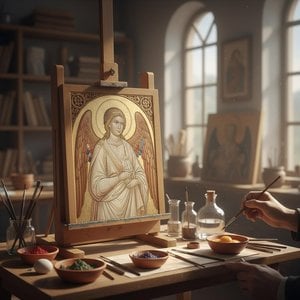
Unveil the sacred secrets of egg tempera on panel. Journey through the technical mastery and profound artistry of the Old Masters, from Giotto to Botticelli. An essential educational guide for Renaissance art enthusiasts seeking deep historical insight and expertise.

Embark on a visual journey through Italy's most iconic landscapes and Renaissance masterpieces. Discover the profound beauty of classical art, from Venetian altarpieces to serene countryside vistas, curated for the discerning art enthusiast and collector.

Embark on a sophisticated journey through Italian Baroque art. Discover the dramatic interplay of light and emotion in Caravaggio’s masterpieces and explore how to bring this timeless grandeur into your collection with expert art insights.

 Forhåndsvisning
 Send
Send Del med andre
 Vis detaljer

 Last ned bildet
 Liknende objekter
 Røntgenundersøkelse
 Lysbildefremvisning
 Vis hele teksten







 Glassalternativet er kun tilgjengelig i størrelser under 110 cm


