Verkoop uw kunstwerken
x
Bekijk op ware grootteBekijk op ware grootte Bekijk in ARBekijk in AR Bestel een print Bestel een printNaar afbeelding wisselen Naar afbeelding wisselen VerstuurVerstuur
Details bekijkenDetails bekijken Toevoegen aan favorieten Toevoegen aan favorieten DownloadDownload Vergelijkbare werkenVergelijkbare werken RöntgenonderzoekRöntgenonderzoek DiavoorstellingDiavoorstelling

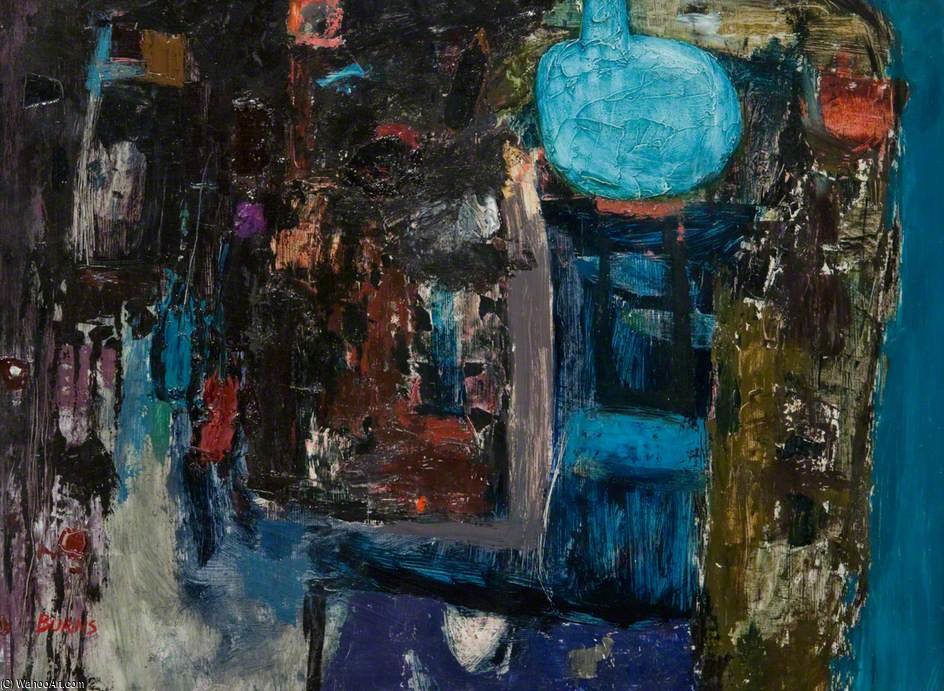
Guidelight

Explore the art of William Bill Alexander (1915-1997), German painter & TV host known for his 'wet-on-wet' oil painting technique. Discover harbor scenes, landscapes, and the legacy behind Bob Ross's inspiration.

Handgemaakte olieverfreproductie

Met de hand geschilderd in olieverf op canvas in uw gewenste maat en lijst, op bestelling gemaakt door onze kunstenaars. (Bestel een print Bestel een printNaar afbeelding wisselen Naar afbeelding wisselen)

Standard
custom
CM
INCH

Kies uit onze vooraf ingestelde maten die overeenkomen met de originele verhoudingen van het kunstwerk.

breedte
hoogte

U kunt uw eigen afmetingen invoeren om in een specifieke lijst of ruimte te passen. Als de door u gekozen maat niet overeenkomt met de verhoudingen van het originele beeld, zullen we het kunstwerk bijsnijden of het schilderij uitbreiden met extra handgeschilderde elementen. Een digitale mockup wordt ter goedkeuring naar u verzonden voordat de productie begint.
Houd er rekening mee dat de preview op het scherm niet de werkelijke uitsnede of uitbreiding weergeeft. Alleen de mockup toont de uiteindelijke compositie nauwkeurig.
Hoewel aangepaste afmetingen mogelijk zijn, raden we aan een maat uit de vooraf gedefinieerde lijst te selecteren om de originele verhoudingen te behouden.

Voorbeelden van wat aangepast kan worden: Vervang het gezicht met een eigen foto; Voeg een huisdier toe (bijv. vervang de kat door een hond); Verwerk een verborgen boodschap in de achtergrond; Wijzig het landschap of andere elementen in de achtergrond.
Na de bestelling zal het team van WahooArt.com per e-mail contact opnemen met de klant voor instructies en een mockup-voorbeeld sturen.

Wereldwijde levering () binnen 3 tot 4 weken in plaats van de standaard 5 weken. (10 augustus). Zonder concessies aan de kwaliteit.

why_choose_icon
Gratis wereldwijde expressverzending
why_choose_icon
Hoogwaardig linnen canvas
why_choose_icon
Volledige verzendverzekering
why_choose_icon
Garantie op terugbetaling van invoerrechten
why_choose_icon
Garantie op exacte kleurweergave
why_choose_icon
60 dagen retourbeleid (alleen bij defecten)
why_choose_icon
100% Geld-terug-garantie
why_choose_icon
Korting bij meerdere afnames

Totaalprijs

$ 272

reproduction

Guidelight

Medium reproductie

Formaat reproductie

-

Totaalprijs

$ 272


Biografie van de kunstenaar

The Master of the Fluid Canvas: The Life and Legacy of William Bill Alexander

To step into the world of William Bill Alexander is to witness the mesmerizing dance of oil paint upon a fresh, receptive surface. A man whose life story reads with the dramatic tension of a historical novel, Alexander was far more than a mere instructor; he was a pioneer who redefined the accessibility of fine art. Born in 1915 in Posen, Germany, his early years were shaped by the profound displacements of the First World War, a period that saw his family relocate to Berlin. This early exposure to a shifting, often turbulent world instilled in him a resilience and an observant eye that would later define his artistic temperament. Before he ever held a palette with professional intent, Alexander was apprenticed as a carriage maker, a vocation that gifted him with a foundational respect for precision, craftsmanship, and the structural integrity of form.

The trajectory of his life took a somber turn during the Second World War when he was drafted into the Wehrmacht. Serving on the Eastern Front, Alexander found himself in a crucible of human emotion and hardship. Yet, even amidst the shadows of conflict, his artistic spirit refused to be extinguished. During his time as a prisoner of war, he turned to portraiture, capturing the likenesses of Allied officers' wives. These intimate commissions allowed him to experiment with expressive brushwork and the delicate nuances of human emotion, laying the groundwork for a style that prioritized immediacy and atmosphere over rigid academic perfection.

The Revolution of Wet-on-Wet

Following the war, as a refugee seeking a new beginning, Alexander embarked on a journey of profound technical innovation. It was during this era of reconstruction and exploration that he began to refine what would become his most enduring contribution to the art world: the wet-on-wet technique. While traditional oil painting often demands a slow, laborious process of layering dried glazes, Alexander championed a method characterized by applying thin layers of paint onto a still-wet surface. This approach, often referred to as alla prima, allowed for a seamless blending of colors and a spontaneous, fluid movement that captured the fleeting essence of light and landscape with unprecedented speed.

This technique was not merely a shortcut; it was a philosophical shift. It embraced the ephemeral nature of the moment, making the act of painting an urgent, living dialogue between the artist and the canvas. His ability to manipulate textures—from the soft, misty atmosphere of a harbor scene to the rugged, tactile presence of a mountain range—demonstrated a mastery over the medium that felt both revolutionary and deeply intuitive. Through this method, he bridged the gap between the high-minded traditions of plein air painting and a more democratic, accessible form of artistic expression.

A Legacy of Mentorship and Global Influence

Perhaps the most significant chapter in Alexander’s career was his role as a global educator and television personality. Through his celebrated PBS series, The Magic of Oil Painting, which aired from 1974 to 1982, he brought the studio into millions of homes across the United States. His calm, instructional presence and the visible magic of his technique captivated audiences, demystifying the complexities of oil painting for the layperson. It was in this capacity that Alexander performed one of his most profound acts of artistic stewardship: teaching the "quick" wet-on-wet technique to a young painter named Bob Ross.

The lineage of influence from Alexander to Ross is undeniable, as the latter would go on to become a global phenomenon using the very foundations laid by his mentor. However, to view Alexander only through the lens of his most famous pupil would be to overlook his individual brilliance. His works, such as Sea-crane and Portrait Of A Mandarin, stand as testaments to his unique ability to blend historical realism with a modern, atmospheric sensibility. He remains a pivotal figure in the revival of landscape painting, leaving behind a legacy that continues to inspire artists to find beauty in the fluid, the spontaneous, and the immediate.

william bill alexander

william bill alexander

1915 - 1997 , Germany

Snelle feiten

  • Artistic Movement Or Style: Wet-on-wet oil painting
  • Artists Or Movements Influenced By This Artist: ['Bob Ross']
  • Artists Who Influenced This Artist: ['']
  • Date Of Birth: 1915
  • Full Name: William Bill Alexander
  • Nationality: German
  • Notable Artworks:
    • Portrait Of A Mandarin
    • A waterman at the head of his junk
    • A sheet of figure and animals studies
  • Place Of Birth: Posen (Poland)