GRATIS KUNSTADVIES

x
Bestel schilderij Bestel schilderijKoop afbeelding in hoge resolutie Koop afbeelding in hoge resolutie VerstuurVerstuur
DetailsDetails Toevoegen aan favorieten Toevoegen aan favorieten DownloadDownload Vergelijkbare werkenVergelijkbare werken RöntgenfotoRöntgenfoto DiavoorstellingDiavoorstelling

Miners

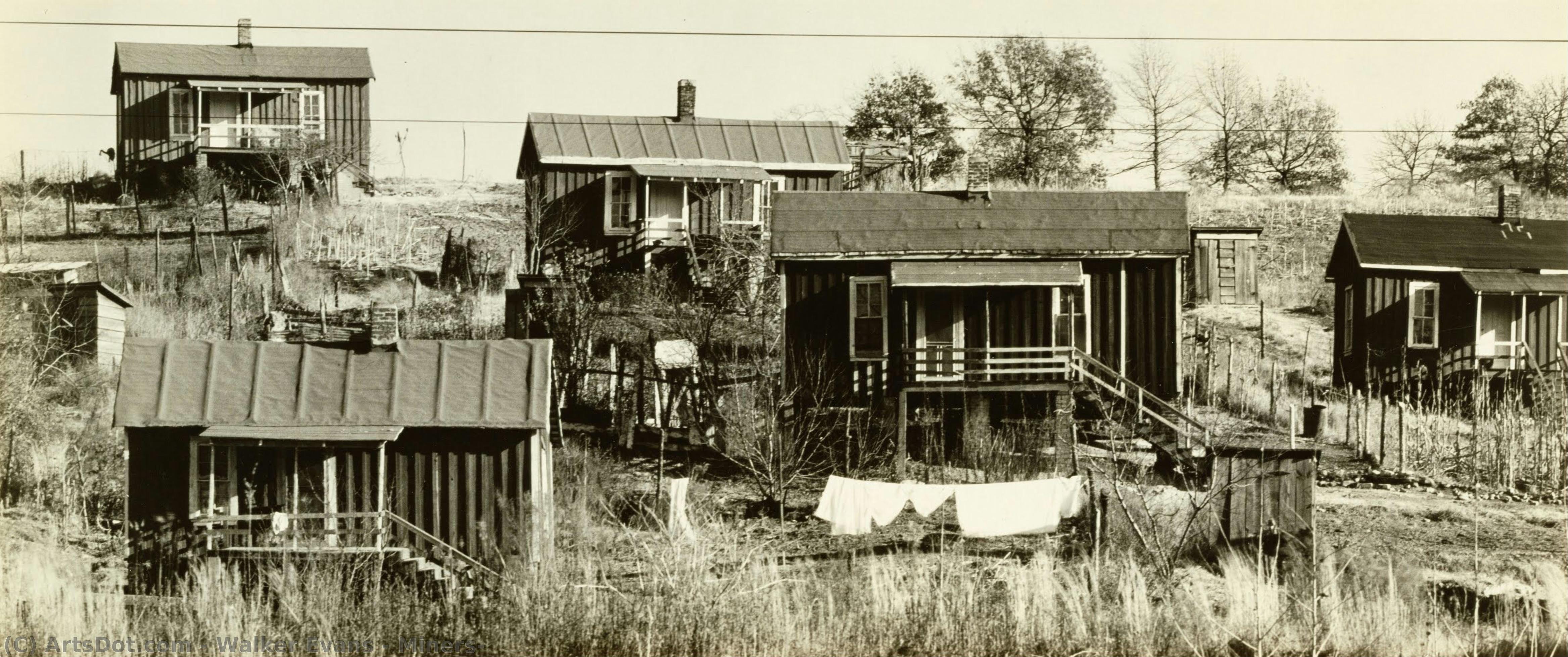
Experience the photorealism of Walker Evans's 1935 FSA masterpiece capturing the quiet resilience of Alabama miners' homes; own a piece of American history.

Walker Evans was een Amerikaanse fotograaf die bekend staat om zijn krachtige documentatie van de Grote Depressie en alledaagse leven met rauwe realisme. Zijn werk uit de FSA is iconisch, maar hij stond ook bekend om zijn portretten en straatfotografie.

Giclée / Kunstafdruk

Giclée- of canvasafdruk van museumkwaliteit met snelle productie en flexibele afwerkingsopties.

Standard
custom
CM
INCH

Kies uit onze vooraf ingestelde maten die overeenkomen met de originele verhoudingen van het kunstwerk.

breedte
hoogte

U kunt uw eigen afmetingen opgeven om in een specifieke lijst of ruimte te passen. Als de door u gekozen maat niet overeenkomt met de proporties van het originele kunstwerk, zullen wij de afbeelding bijsnijden of uitbreiden met een gespiegelde of effen rand. Een digitaal mockup wordt ter goedkeuring naar u verzonden voordat de productie begint.
Houd er rekening mee dat de preview op het scherm de werkelijke bijsneding of uitbreiding niet weergeeft. Alleen de mockup toont de uiteindelijke compositie nauwkeurig.
Hoewel aangepaste maten beschikbaar zijn, raden wij aan een afmeting uit de vooraf bepaalde lijst te kiezen om de originele proporties te behouden.

Wereldwijde levering () binnen 2 weken in plaats van de standaard 4/5 weken. (2 juli)

why_choose_icon
Gratis wereldwijde expressverzending
why_choose_icon
Hoogwaardig linnen canvas
why_choose_icon
Volledige verzendverzekering
why_choose_icon
Garantie op terugbetaling van invoerrechten
why_choose_icon
Garantie op exacte kleurweergave
why_choose_icon
60 dagen retourbeleid (alleen bij defecten)
why_choose_icon
100% Geld-terug-garantie
why_choose_icon
Korting bij meerdere afnames

Totaalprijs

-

reproduction

Miners

Giclée / Kunstafdruk

Afmetingen reproductie

-

Eindtotaal

-

Snelle feiten

  • Artist: Walker Evans
  • Notable elements or techniques: Detailed observation; stark realism
  • Year: 1935
  • Dimensions: 8 7/8 × 7 3/16"
  • Artistic style: Documentary
  • Subject or theme: Rural poverty; American Depression
  • Location: Cleveland Museum of Art

Kunstquiz

Er is slechts één correct antwoord op elke vraag.

Vraag 1:
What is the primary subject matter of Miners?
Vraag 2:
In what year was Miners created?
Vraag 3:
Who is the artist responsible for creating Miners?
Vraag 4:
What photographic technique was employed by Walker Evans to capture Miners?
Vraag 5:
What organization commissioned Walker Evans to document rural poverty during the Great Depression?

Beschrijving verzamelobject

Miners' Houses, Vicinity Birmingham, Alabama – A Snapshot of Resilience

Walker Evans’s photograph “Miners’ Houses, Vicinity Birmingham, Alabama,” created in 1935 during his tenure documenting rural poverty for the Farm Security Administration (FSA), stands as a poignant testament to the human spirit amidst the hardships of the Great Depression. Captured with meticulous detail and bathed in muted grayscale tones, it transcends mere documentation; instead, it embodies an understated beauty rooted in the quiet dignity of everyday life—a stark contrast to the grand narratives often dominating historical portrayals. Evans’s lens focuses on a modest dwelling nestled amongst surrounding houses, revealing a scene that speaks volumes about the resilience of ordinary Americans facing immense economic challenges. The photograph isn't merely visually arresting; it’s imbued with symbolic significance, representing not just physical hardship but also the enduring spirit of community and perseverance.
  • Subject Matter: The image depicts a cluster of houses in Birmingham, Alabama—primarily occupied by coal miners—providing insight into the living conditions experienced during this period.
  • Style: Evans’s approach aligns with his signature style – Photorealism – prioritizing accuracy and capturing the essence of the subject matter without embellishment. He eschewed artistic interpretation for a truthful representation of reality.
  • Technique: Executed as a gelatin silver print, Evans utilized a technique known for its tonal range and ability to convey subtle nuances in light and shadow. This meticulous process ensured that every detail was faithfully reproduced, contributing to the photograph’s profound impact.
Birmingham during the Depression experienced significant economic decline due to the collapse of coal mining industries—a crucial sector supporting Alabama's economy. Evans’s FSA assignment aimed to document these struggles and portray the lives of vulnerable communities with compassion and honesty. The composition itself is deliberately restrained, emphasizing the simplicity of the architecture and highlighting the human element within the scene. Notice the clothesline stretching across the porch – a symbol of domestic life and labor amidst adversity—a quiet reminder of daily routines and aspirations for normalcy. Historical Context: Evans’s work emerged during a pivotal moment in American history, coinciding with FDR's New Deal initiatives designed to alleviate poverty and stimulate economic recovery. The FSA photographs served as crucial propaganda tools, shaping public perception of the Depression and fostering empathy for those affected by its devastating consequences. They are considered foundational documents in visual culture, influencing subsequent artistic movements and continuing to inspire discussion about social justice and representation. Emotional Impact: Despite its understated aesthetic, “Miners’ Houses” possesses a remarkable emotional resonance. The photograph evokes feelings of melancholy yet simultaneously conveys an unwavering spirit—a quiet determination to endure hardship with dignity and grace. Evans's masterful use of light and shadow creates a sense of intimacy, inviting viewers into the lives of these miners and fostering contemplation on themes of vulnerability, resilience, and the importance of preserving human connection amidst challenging circumstances. It’s a photograph that lingers in the mind long after viewing, prompting reflection on the enduring values of compassion and perseverance. ## Further Exploration: Birmingham's Coal Mining Legacy Birmingham’s history as a coal mining center stretches back centuries, shaping its cultural identity and economic landscape. The photograph captures a snapshot of this era—a time when families relied heavily on coal mining for survival, facing considerable difficulties but maintaining an unwavering commitment to their communities. Examining the broader context reveals the significance of Evans's image as part of a larger effort to document the human experience during the Great Depression.
  • Birmingham’s Industry: Before the 20th century, Birmingham was primarily known for its iron ore smelting and textile production—industries that provided employment opportunities but also subjected workers to hazardous conditions.
  • The FSA Mission: The Farm Security Administration's goal was to combat poverty through photography – documenting rural America’s hardships while simultaneously promoting social reform. Evans’s work exemplifies this commitment, presenting a truthful portrayal of daily life during the Depression.
Notable Sites: Visitors can explore Birmingham’s Coal Miners’ Heritage Trail—a journey tracing the history of coal mining in Alabama and its impact on the region's social fabric. The Birmingham Civil Rights Institute commemorates the city’s role in the American Civil Rights Movement, highlighting the struggles for equality and justice faced by African Americans during this transformative period. ## Artistic Influence: Evans's Legacy Beyond Photography Walker Evans’s influence extends far beyond his photographic oeuvre—he profoundly impacted subsequent generations of artists who embraced Photorealism and Minimalism. His meticulous attention to detail and rejection of stylistic conventions established a new standard for visual representation, inspiring artists to prioritize accuracy and emotional resonance over decorative embellishment.
  • Minimalist Aesthetic: Evans’s approach paved the way for Minimalist art—characterized by simplicity, geometric forms, and an absence of ornamentation—reflecting a broader cultural shift toward austerity and intellectual contemplation.
  • Photorealism's Roots: His commitment to capturing reality with unflinching honesty solidified Photorealism as a dominant artistic movement in the mid-20th century—a style that sought to reproduce images with astonishing precision, mirroring the visual world around us.
Evans’s enduring legacy serves as a reminder of the power of photography to document history and convey profound human emotions—a testament to his visionary artistry and its lasting impact on the trajectory of modern art. ## Reproductions & Artistic Interpretations: Bringing Evans's Vision Home Reproductions of “Miners’ Houses” are available in various sizes and formats, allowing collectors and interior designers alike to incorporate this iconic image into their spaces—celebrating both artistic heritage and Alabama’s industrial past. Consider framing the print in a neutral tone to complement its understated aesthetic—enhancing its visual impact while honoring Evans's original intention.

Biografie van de kunstenaar

Walker Evans: Een Getuige van Amerika

Walker Evans, geboren in St. Louis in 1903, werd een onmiskenbare figuur in de Amerikaanse fotografie, wiens naam onlosmakelijk verbonden is met het visuele verslag van de Grote Depressie. Het zou echter te beperkend zijn om hem uitsluitend te definiëren door deze periode; zijn artistieke visie en blijvende invloed strekken zich veel verder uit dan dat. Zijn leven was een voortdurend zoekproces, evoluerend van literaire ambities naar een uniek observatief fotografisch stijl die niet alleen *wat* Amerika was vastlegde, maar ook *hoe* het voelde – met zijn stille waardigheid, zijn scherpe realiteit en vaak over het hoofd geziene schoonheid. Evans’ opvoeding, gekenmerkt door frequente verhuizingen tussen steden als Toledo, Chicago en New York, legde in zijn jonge jaren al een vroeg bewustzijn van de diverse facetten van Amerika bij hem. Hoewel hij studeerde aan prestigieuze instellingen zoals Phillips Academy Andover en kortstondig aan Williams College, werd zijn ware opleiding door zelfstudie en onderdompeling in de culturele stromingen van die tijd gevormd. Een jaar in Parijs in 1926 opende voor hem een blik op Europese kunststromingen, maar het was pas met terugkeer naar New York dat hij zijn roeping ontdekte, aanvankelijk als schrijver voordat hij rond 1928 besloot zich volledig te wijden aan fotografie.

Het Vormen van een Documentaire Visie

De vroege invloeden op Evans’ fotografische benadering waren diepgaand. Hij bewonderde de nauwkeurige documentatie van Eugène Atget, wiens beelden van Parijse straten zowel tijdloos als direct aanvoelden, en August Sander, wiens portretten streefden naar een objectieve catalogisering van Duitse samenleving. Even belangrijk waren literaire figuren zoals T.S. Eliot, D.H. Lawrence, James Joyce en e.e. cummings – schrijvers die precisie in taal waardeerden en een scherp oog hadden voor de menselijke conditie. Deze invloeden verenigden zich in Evans’ opkomende esthetiek: een toewijding aan helderheid, directheid en het vermijden van sentimentaliteit. Dit werd haar meest krachtige uitdrukking tijdens zijn dienst bij de Farm Security Administration (FSA) beginnend in 1935. Toegewezen om de effecten van de Depressie op landelijke gemeenschappen in het zuiden van de Verenigde Staten vast te leggen, reisde Evans uitgebreid en maakte hij beelden die iconische representaties werden van lijden en veerkracht. Zijn samenwerking met schrijver James Agee aan *Let Us Now Praise Famous Men* (1941), een baanbrekend werk dat scherpe foto’s combineert met lyrische proza over drie pachterfamilies in Alabama, blijft een hoeksteen van documentaire literatuur en fotografie. Hoewel het aanvankelijk werd afgewezen door *Fortune* magazine vanwege zijn lengte en onconventionele stijl, staat het werk als getuigenis van hun gedeelde toewijding aan het portretteren van het leven van gewone mensen met eerlijkheid en empathie. Evans’ gebruik van een 8x10 view camera droeg significant bij aan zijn kenmerkende stijl; de grote format leverde beelden op met uitzonderlijke detail en formele helderheid, waardoor hun onderwerpen een gevoel van tijdloosheid gaven.

Buiten de FSA: Portretten en Veranderende Perspectieven

Na zijn werk voor de FSA evolueerde Evans’ artistieke traject voortdurend. De landmark expositie “Walker Evans: American Photographs” in het Museum of Modern Art in 1938 versterkte zijn reputatie als een belangrijke figuur in de fotografie, markeerde de eerste solo-tentoonstelling die aan een fotograaf was gewijd in het museum. Echter, hij weigerde zich te laten definiëren als slechts een documentair fotograaf. Hij richtte steeds meer zijn aandacht op portretten en straatfotografie, waarbij hij onconventionele momenten van stadsleven in New York vastlegde met een ingetoongegeven elegantie. Deze latere werken onthullen een subtiele verschuiving in focus – minder gericht op sociaal commentaar en meer geïnteresseerd in de esthetische kwaliteiten van alledaagse scènes. In de jaren zestig omarmde Evans kleurfotografie, waarbij hij levendige beelden maakte van interieurs, architectuur en alledaagse objecten. Deze experimenten toonden een bereidheid om conventionele opvattingen over fotografisch representatie uit te dagen en nieuwe wegen voor artistieke expressie te verkennen. Deze latere werken toonden vaak een speelse en decoratieve kwaliteit die verrassend is voor degenen die alleen bekend zijn met zijn zwart-wit FSA-foto’s, waardoor een eerder onontdekt aspect van zijn creatieve persoonlijkheid wordt onthuld.


Een Laatste Impact op de Historie van de Fotografie

Walker Evans' nalatenschap strekt zich verder uit dan de iconische beelden die hij creëerde tijdens de Grote Depressie. Hij wordt algemeen beschouwd als een van de meest invloedrijke figuren in de geschiedenis van documentaire fotografie, waarbij hij een nieuwe standaard heeft vastgesteld voor realisme en objectiviteit in fotografische representatie. Zijn werk heeft generaties fotografen beïnvloed, hen geïnspireerd om naar de wereld te kijken met frisse ogen en schoonheid en betekenis te vinden in het alledaagse. Zijn impact op social realism is onmiskenbaar, aangezien zijn FSA-foto's krachtige symbolen werden van lijden en veerkracht tijdens een cruciale periode in de Amerikaanse geschiedenis. Maar misschien is zijn grootste bijdrage dat hij heeft aangetoond hoe fotografie niet alleen als hulpmiddel voor sociaal commentaar kon dienen, maar ook als medium voor esthetische exploratie. Hij bewees dat zelfs het meest alledaagse onderwerp kan worden getransformeerd in kunst door zorgvuldige observatie, nauwkeurige compositie en een toewijding aan visuele waarheid. Evans’ werk resoneren nog steeds vandaag de dag, herinnerend ons aan de kracht van fotografie om onze wereld te documenteren, onze percepties uit te dagen en ons te verbinden met de gedeelde menselijke ervaring.

Belangrijke Kunstwerken

* Let Us Now Praise Famous Men * Silverware * Barn with Porch Addition
Walker Evans

Walker Evans

1903 - 1975 , Verenigde Staten van Amerika

Belangrijkste feiten

  • Artistic Movement Or Style: Documentaire fotografie
  • Artists Or Movements Influenced By This Artist:
    • Sherrie Levine
    • Social realisme
  • Artists Who Influenced This Artist:
    • Eugène Atget
    • August Sander
  • Date Of Birth: 1903
  • Date Of Death: 1975
  • Full Name: Walker Evans
  • Nationality: Amerikaans
  • Notable Artworks:
    • Let Us Now Praise Famous Men
    • Silverware
    • Barn met Porch Addition
  • Place Of Birth: St. Louis, USA