A Life Etched in Ink and Wood: The World of Tsukioka Yoshitoshi
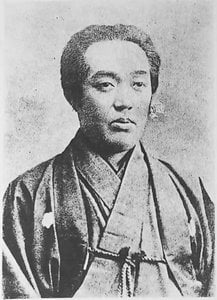
Tsukioka Yoshitoshi, geboren als Owariya Yonejiro in 1839, verrijkte de kunstgeschiedenis van Japan met een unieke combinatie van passie, tragedie en artistieke vernieuwing. Hij staat bekend als de laatste meester van *ukiyo-e*, de “afbeeldingen van de drijvende wereld,” maar het reduceren van zijn leven tot deze titel doet tekort aan de complexiteit en diepte van zijn werk. Yoshitoshi was niet zomaar een bewaarder van traditie; hij was een visionair, een visuele verteller die met moed de turbulente geest van een Japan omarmde dat radicaal transformeerde. Zijn leven ontviel tegen een achtergrond van maatschappelijke onrust – de laatste jaren van het Tokugawa-shogunaat, de Meiji-restauratie en de snelle opkomst van westerse ideeën – die zijn artistieke visie op ongekende wijze vormgaven. Van bescheiden begin als zoon van een koopman, verheven tot samurai status, leidde Yoshitoshi’s pad hem naar een leerlingschap bij Utagawa Kuniyoshi, een meester wiens invloed onmiskenbaar zou blijken. Deze cruciale periode legde niet alleen technische vaardigheid, maar ook een diepe waardering voor narratie en dynamische compositie in zijn hart.
Van Leerling tot Onafhankelijke Kunstenaar
Yoshitoshi’s vroege jaren waren doordrenkt van de rigoureuze discipline van *ukiyo-e*-opleiding onder Kuniyoshi. Hij absorbeerde de technieken van zijn meester, verfijnde zijn tekenvaardigheid en leerde verhalen tot leven te wekken in boeiende visuele vormen. Echter, Yoshitoshi begon al snel zijn eigen weg te timmeren. Hoewel hij aanvankelijk binnen gevestigde conventies werkte, demonstreerde hij al snel een bereidheid om grenzen te verleggen, met name in zijn weergaven van geweld en dood. Deze weren’t gratuite uitingen, maar eerder reflecties van de onrust van die tijd en persoonlijke tragedieën – het verlies van zowel zijn vader als Kuniyoshi had een diepgaande impact op zijn artistieke richting. De jaren zestig van de 19e eeuw zagen Yoshitoshi erkenning verwerven voor wat bekend werd als zijn “bloedige prints,” een serie gekenmerkt door grafische beelden en dramatische intensiteit. Series zoals *Eimei nijûhasshûku* (Tweeëndertig beroemde moorden met vers) schokten en fascineerden het publiek, waarbij scènes van gruwelijke doodsgevallen werden weergegeven met een verbluffende realisme. Deze bereidheid om donkere thema’s aan te pakken onderscheidde hem van vele van zijn tijdgenoten. Hij experimenteerde met verschillende series en onderwerpen, waaronder de populaire *Tsūzoku saiyūki* (“Een moderne reis naar het Westen”) en *Wakan hyaku monogatari* (“Eénhonderd verhalen uit China en Japan”), wat zijn veelzijdigheid verder verstevigde.
Innovatie in een Veranderende Wereld
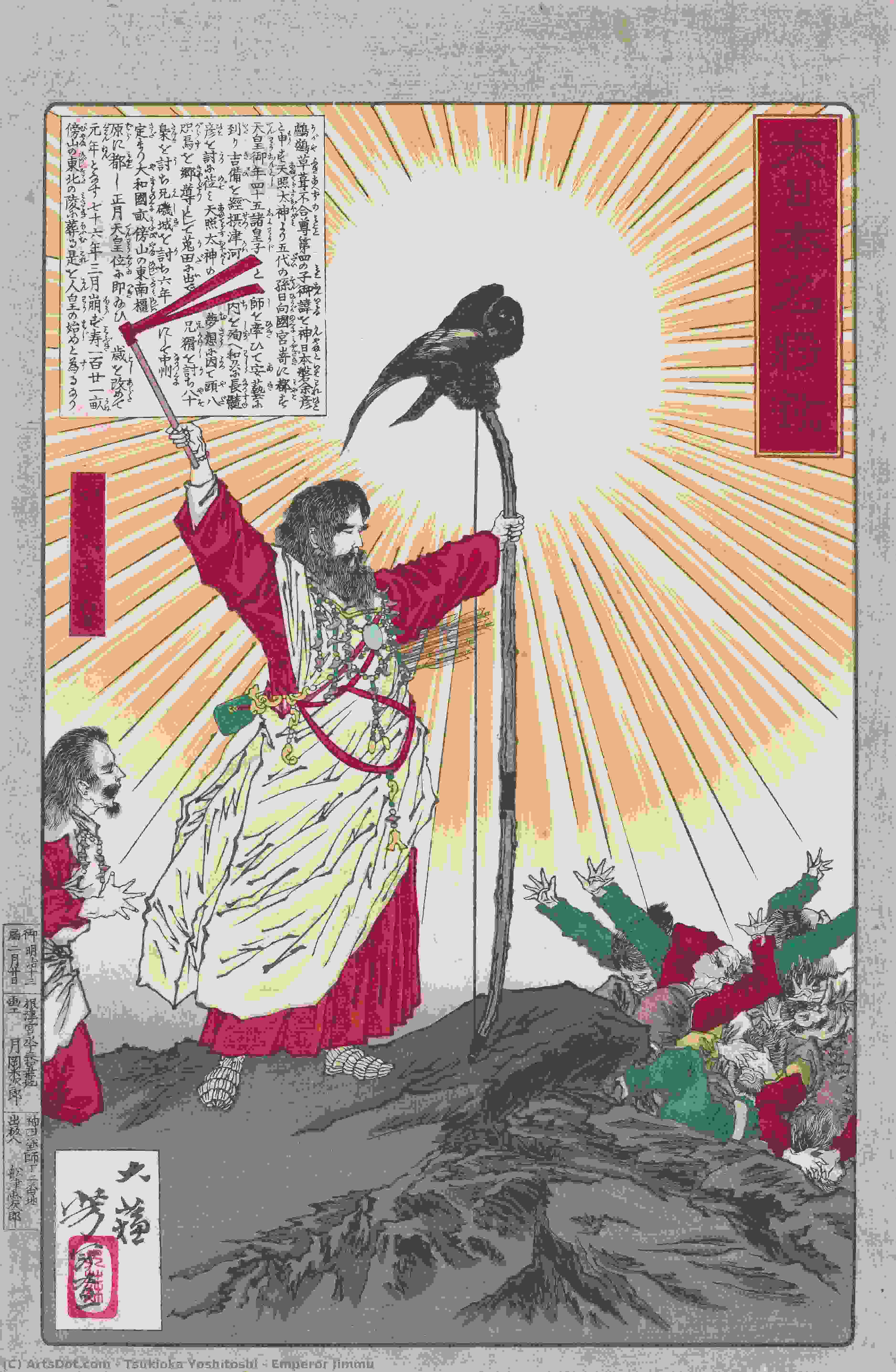
Yoshitoshi’s genie lag niet alleen in zijn onderwerpkeuze, maar ook in zijn artistieke techniek. Hij combineerde meesterlijk traditionele Japanse esthetiek met westerse invloeden, waarbij elementen van perspectief en compositie werden toegepast die hij had geleerd uit geïmporteerde prints en gravures. Deze fusie creëerde een unieke visuele taal die zowel distinctief Japans als opvallend modern was. Terwijl Japan zich moderniseerde, bedreigden nieuwe technologieën zoals fotografie en lithografie de bestaande *ukiyo-e*-traditie. Yoshitoshi herkende deze uitdaging en reageerde door zijn vak naar ongekende hoogten van artistieke verfijning te tillen. Hij experimenteerde met kleurenpaletten, verfijnde zijn gravuretechnieken en dwong de grenzen van narratieve storytelling binnen het houtsnuf-medium uit. Zijn serie *Musha Burui* (Warrior Prints) illustreert deze toewijding – elk printwerk een dynamische explosie van actie en emotie, die zijn vaardigheid demonstreerde in het portretteren van heldere figuren en dramatische gevechten. Hij begreep dat om te overleven, *ukiyo-e* moest evolueren, en hij wijdde zich eraan om de voortdurende relevantie ervan te waarborgen.
Een Historisch Moment
Yoshitoshi’s leven werd getekend door een periode van intense onrust. De toenemende aanwezigheid van Westerlingen en westerse ideeën, via de jaren 50 en 60 van de 19e eeuw, had een diepgaande en verontrustende invloed op een feodaal en zeer gesloten Japans samenleving. Hoewel het publieke sentiment anti-westerse gevoelens had, waren er ook velen die realiseerden dat de enige verdediging tegen het Westen was om zijn superieure militaire en economische technologie te adopteren. De spanning tussen het afwijzen van westerse invloed en het omarmen van westerse technologie, gecombineerd met oogsten mislukkingen, economische recessies en hyperinflatie, schudde de heersende Tokugawa-shogunaat (dat al sinds 1603 aan de macht was) tot zijn kern. Deze oorlog leidde in 1868 tot de omverwerping van het Tokugawa-shogunaat en zijn vervanging door een meer moderne regering die een keizerlijke restauratie proclameerde en een nieuw tijdperk, het Meiji-tijdperk (“Verlichte Regel”), inluidde. John Stevenson, in zijn baanbrekende werk *Yoshitoshi’s One Hundred Aspects of the Moon*, merkt op dat de impact van Yoshitoshi’s getuige zijn van de bloedige moord op twee duizend shoguna troepen door de goed bewapende troepen van de keizer “doorweerspiegelde in Yoshitoshi’s werk voor vele jaren.”
Een Laatste Glans: Yoshitoshi's Erfgoed
Yoshitoshi’s leven was een strijd tegen de tijd, een moedige poging om een geliefd kunstenaarschap te bewaren in het aangezicht van overweldigende verandering. Hij slaagde er niet alleen in *ukiyo-e* te bewaren, maar ook in het transformeren ervan, waardoor een oeuvre achterbleef dat nog steeds bewondering en inspiratie oproept. Zijn prints zijn meer dan alleen mooie objecten; ze zijn vensters naar een vervlogen tijdperk, krachtige expressies van menselijke emotie en blijvende symbolen van artistieke excellentie.
- Behoud van Traditie: In een snel moderniserend Japan pleitte Yoshitoshi voor traditionele houtsnuftechnieken.
- Artistieke Innovatie: Hij combineerde Japanse esthetiek met westerse invloeden, waardoor een unieke en dynamische stijl ontstond.
- Narratieve Kracht: Zijn prints staan bekend om hun boeiende verhalenvertelling en dramatische intensiteit.
- Historisch Documentatie: Yoshitoshi’s werk biedt waardevolle inzichten in het sociale, politieke en culturele landschap van de 19e eeuw.


 Bekijk op ware grootte
 Schakel over naar print
 Verstuur
 Delen
Delen
 Details bekijken
 Gids
Gids

 Download
 Vergelijkbare items
 Röntgenonderzoek
 Diavoorstelling
 Statistieken
 Lees meer






































 De optie voor glas is alleen beschikbaar bij een formaat kleiner dan 110 cm.