GRATIS KUNSTADVIES

x
Bestel schilderij Bestel schilderijKoop afbeelding in hoge resolutie Koop afbeelding in hoge resolutie VerstuurVerstuur
DetailsDetails Toevoegen aan favorieten Toevoegen aan favorieten DownloadDownload Vergelijkbare werkenVergelijkbare werken RöntgenfotoRöntgenfoto DiavoorstellingDiavoorstelling

Het Venster

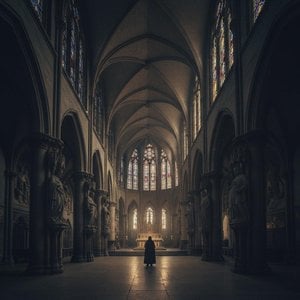
Een prachtige kleurenrijk glasruit schilderij van Simone Martini uit 1312. Laat je verwonderen door de gedetailleerde compositie en de stijlvolle internationale gotiek van deze Italiaanse meester.

Ontdek Simone Martini, de Sienese meester van elegantie en gratie! Zijn internationale gotische schilderijen—zoals 'Maestà'—combineren religieuze thema’s met hofelijkheid & exquisite detail.

Giclée / Kunstafdruk

Giclée- of canvasafdruk van museumkwaliteit met snelle productie en flexibele afwerkingsopties.

P118B $10
P118H $10
P118W $10
P438Z $10
P508JH $12
P508YH $12
P805H $10
P805Z $10
P919BZ $10
P919G $10
P919XJ $10
P959ZH $10
P968JZ $12
W106C $8
W218G $10
W218JH $8
W218Y $10
W307PJ $10
W316G $10
W316PJ $8
W316Y $10
W398PJ $8
W4111J $10
W500HY $15
W500JH $15
W692G $12
W849H $8
W940BG $15
W953PJ $8

Standard
custom
CM
INCH

Kies uit onze vooraf ingestelde maten die overeenkomen met de originele verhoudingen van het kunstwerk.

breedte
hoogte

U kunt uw eigen afmetingen opgeven om in een specifieke lijst of ruimte te passen. Als de door u gekozen maat niet overeenkomt met de proporties van het originele kunstwerk, zullen wij de afbeelding bijsnijden of uitbreiden met een gespiegelde of effen rand. Een digitaal mockup wordt ter goedkeuring naar u verzonden voordat de productie begint.
Houd er rekening mee dat de preview op het scherm de werkelijke bijsneding of uitbreiding niet weergeeft. Alleen de mockup toont de uiteindelijke compositie nauwkeurig.
Hoewel aangepaste maten beschikbaar zijn, raden wij aan een afmeting uit de vooraf bepaalde lijst te kiezen om de originele proporties te behouden.

Wereldwijde levering () binnen 2 weken in plaats van de standaard 4/5 weken. (3 juli)

why_choose_icon
Gratis wereldwijde expressverzending
why_choose_icon
Hoogwaardig linnen canvas
why_choose_icon
Volledige verzendverzekering
why_choose_icon
Garantie op terugbetaling van invoerrechten
why_choose_icon
Garantie op exacte kleurweergave
why_choose_icon
60 dagen retourbeleid (alleen bij defecten)
why_choose_icon
100% Geld-terug-garantie
why_choose_icon
Korting bij meerdere afnames

Totaalprijs

-

reproduction

Het Venster

Giclée / Kunstafdruk

Afmetingen reproductie

-

Eindtotaal

-

Snelle feiten

  • Year: 1312
  • Influences: Duccio di Buoninsegna
  • Location: Private Collection
  • Artist: Simone Martini
  • Notable elements or techniques: Complex stained glass design; meticulous detail.
  • Artistic style: Elegant; refined; decorative
  • Medium: Glass enamel

Kunstquiz

Er is slechts één correct antwoord op elke vraag.

Vraag 1:
Simone Martini’s ‘Window’ exemplifies which artistic style?
Vraag 2:
What prominent color dominates the stained glass window depicted in Simone Martini's painting?
Vraag 3:
The window’s intricate design showcases a blend of geometric shapes and patterns. Where was Simone Martini primarily active during his artistic career?
Vraag 4:
‘Window’ is considered a masterpiece due to its masterful use of color and detail—characteristics typical of which artistic movement?
Vraag 5:
Who collaborated with Simone Martini on several projects, furthering the artistic vibrancy of Siena?

Beschrijving verzamelobject

Een Venster van Elegantie en Licht: Een Analyse van Simone Martini’s Werken

Simone Martini, geboren rond 1284 in Siena, Italië, behoort tot de meest briljante vertegenwoordigers van het internationale gotische stijl binnen de Europese kunstgeschiedenis. Hij was meer dan alleen een schilder; hij was een architect van schoonheid en verfijning, een meester van lijn en kleur die zijn kunstwerken een hofhoudelijke charme gaf die hem onderscheidde van zijn tijdgenoten zoals Giotto. Historisch gezien blijven gegevens over zijn jeugd enigszins beperkt – sommige bronnen wijzen op een leerlingschap onder Duccio di Buoninsegna, de leidende Siense kunstenaar van zijn tijd, terwijl andere verwijzen naar Florence en de invloed van Giotto – Martini ontwikkelde toch een unieke artistieke weg. Zijn broeder-in-law Lippo Memmi was ook een kunstenaar met wie hij regelmatig samenwerkte, wat bijdroeg aan het rijke kunstenaarschap van Siena, een stad die bloeide als centrum van handel en cultuur en een omgeving bevorderde waarin kunst floreerde, waarbij religieuze devotie werd gecombineerd met wereldse wijsheid. Deze combinatie van stijl en thema zou Martini’s oeuvre definiëren. Zijn werk staat bekend om zijn aandacht voor detail en zijn gebruik van kleur, waardoor hij prachtige composities creëerde die zowel emotioneel aangrijpend als technisch indrukwekkend waren. Een bijzonder belangrijk kunstwerk is ‘Het Venster’, een schilderij dat Simone Martini rond 1312 voltooid heeft. Het beeldraam zelf is een complexe combinatie van geometrische vormen en kleurrijke glasoppervlakken, een directe uitdrukking van de internationale gotische stijl die zich ontwikkelde in het Laatste Gouden Eeuw.

De Technische Uitwerking: Een Onderzoek naar Glas en Kleur

Martini’s kunstenaarschap werd sterk beïnvloed door de technische innovaties van zijn tijd, met name het gebruik van kleurglas. Het internationale gotische stijl stond bekend om zijn uitgebreide gebruik van kleurrijke glaspanelen, vaak voorzien van complexe geometrische patronen en afbeeldingen die religieuze thema's weergaverden. Martini’s meesterschap lag niet alleen bij het vormen van prachtige lijnen maar ook bij het beheersen van de kunst van het kleurengebruik, waarbij hij een rijke palet gebruikte om emoties en gevoelens over te brengen. De combinatie van blauw en goud in het centrale cirkelmotief is bijzonder opvallend – een kleurcombinatie die vaak werd gebruikt om licht en glorie uitdrukken en verwijst naar de hemelse wereld. De kunstenaar gebruikte verschillende technieken om deze kleuren te verkrijgen, waaronder het gebruik van pigmenten zoals lapis lazuli (voor blauw) en goudblad (voor goud). Deze pigmenten waren kostbaar en vereisten een hoog niveau van technische bekwaamheid om nauwkeurig aan te brengen. Het resultaat is een kunstwerk dat niet alleen mooi is voor het oog maar ook een fascinerende geschiedenis heeft achter zich staan – een geschiedenis die de ontwikkeling van kunst en wetenschap tijdens het Laatste Gouden Eeuw weergeeft.

Symbolisme en Religieuze Betekenis: Een Venster naar het Spirituele

Het ‘Venster’ is meer dan alleen een prachtige afbeelding; het draagt ook een belangrijke symbolische betekenis met zich mee. De cirkel zelf staat voor perfectie en goddelijkheid, terwijl de kleinere cirkels omringend de wereld verkennen en verwijzen naar het universum als geheel. Deze geometrische vormen zijn een terugkoppeling tot oude filosofische ideeën over kosmologie en staan symbool voor de zoektocht naar kennis en begrip. Bovendien wordt het venster vaak gebruikt als een middel tot gebed en contemplatie, waardoor het een belangrijke rol speelt in religieuze praktijken. Het kunstwerk nodigt uit tot reflectie over thema’s zoals licht, kleur en vorm – elementen die essentieel zijn voor zowel de kunstenaar als de kijker. Het prachtige Venster van Simone Martini blijft een inspirerende bron voor kunstliefhebbers en biedt een unieke kans om het prachtige internationale gotische stijl te ervaren. Een hoogwaardige reproductie kan een prachtige aanvulling vormen op elke ruimte, waardoor je kunt genieten van de schoonheid en emotionele kracht van dit tijdloze kunstwerk. Laat je door deze prachtige afbeelding leiden naar een wereld van kleurrijke kunst en inspirerende schoonheid!

Biografie van de kunstenaar

A Sienese Master of Elegance and Grace

Simone Martini, born around 1284 in the heart of Siena, Italy, stands as a pivotal figure in the transition from medieval to Renaissance art. He wasn’t merely a painter; he was an architect of elegance, a master of line and color who infused his works with a courtly refinement that distinguished him from contemporaries like Giotto. While historical accounts vary regarding his early training—some suggest apprenticeship under Duccio di Buoninsegna, the leading Sienese artist of the time, while others point to Florence and the influence of Giotto—Martini undeniably forged a unique artistic path. His brother-in-law, Lippo Memmi, was also an artist with whom he frequently collaborated, further enriching the vibrant artistic landscape of Siena. The city itself played a crucial role in shaping Martini’s aesthetic; Siena, a thriving center of commerce and culture, fostered an environment where art flourished, blending religious devotion with worldly sophistication.

The Flourishing of International Gothic

Martini's style is immediately recognizable for its departure from the more monumental forms favored in Florence. He embraced a delicate sensibility, characterized by flowing lines, soft decorative details, and an overall sense of grace. This aesthetic wasn’t born in isolation; it was profoundly influenced by external forces. The Via Francigena, a major pilgrimage route traversing Europe, brought with it artistic currents from France—particularly the refined elegance of French manuscript illumination and ivory carving. These influences are readily apparent in Martini's work, manifesting as intricate patterns, elongated figures, and a heightened attention to surface ornamentation. He didn’t simply copy these styles; he synthesized them with existing Sienese traditions, creating something entirely new. His paintings weren’t merely representations of religious scenes but rather elegant narratives imbued with emotional depth and visual poetry.

From Siena to Avignon: A Courtly Appointment

Martini's reputation extended beyond the borders of Italy, leading to a significant turning point in his career. In 1336, he accepted a commission from Pope Benedict XII to create frescoes for the Papal Palace in Avignon, France—a move that placed him at the heart of European power and patronage. This appointment wasn’t merely about artistic skill; it was a testament to Martini's ability to cater to the tastes of a sophisticated courtly audience. While in Avignon, he entered into a remarkable intellectual circle, befriending Francesco Petrarca—better known as Petrarch, the renowned humanist poet. The connection with Petrarch is particularly poignant, as Vasari and other sources suggest that Martini painted a portrait of Laura de Noves, Petrarch’s lifelong muse. Though the portrait itself is lost to time, its very existence speaks volumes about Martini's status as a celebrated artist capable of capturing not only physical likeness but also the essence of beauty and inspiration. The Saint Louis Crowning Robert, painted during his time in Naples, exemplifies this period, showcasing delicate beauty and refined aesthetic.

Key Works and Artistic Techniques

Simone Martini’s oeuvre is characterized by a remarkable range of subjects and styles, reflecting the diverse influences that shaped his artistic development. His most celebrated works include the *Maestà* fresco in the Palazzo Pubblico of Siena, a monumental depiction of the Virgin Mary and Child surrounded by angels and saints; the *Annunciation* triptych, now housed in the Uffizi Gallery in Florence, renowned for its exquisite detail and delicate rendering of figures; and the *Saint Catherine of Alexandria Polyptych*, a masterpiece of color and composition that showcases Martini’s mastery of decorative painting. Throughout his career, Martini employed a variety of techniques to achieve his distinctive style, including meticulous attention to line, subtle gradations of color, and a masterful use of perspective—a departure from the more stylized approaches favored by earlier medieval artists. His works are often characterized by a sense of movement and dynamism, achieved through flowing draperies, expressive gestures, and carefully orchestrated compositions.

Legacy and Enduring Influence

Simone Martini’s impact on the development of European art cannot be overstated. He played a crucial role in disseminating the International Gothic style—a movement characterized by its elegance, refinement, and emphasis on decorative detail—across the continent. His influence extended to generations of artists who followed, shaping the course of late medieval and early Renaissance painting. Martini’s work wasn’t simply about technical skill; it was about creating a visual language that resonated with the sensibilities of his time—a language of beauty, grace, and spiritual devotion. Even today, his paintings continue to captivate viewers with their exquisite detail, harmonious compositions, and enduring sense of elegance. His frescoes in San Francesco d’Assisi demonstrate his mastery of large-scale decorative painting, while works like the Saint Catherine of Alexandria Polyptych showcase his unparalleled command of color and form. Simone Martini died in Avignon in 1344, leaving behind a legacy that continues to inspire awe and admiration centuries later—a testament to the enduring power of art to transcend time and touch the human spirit.

Simone Martini

Simone Martini

1284 - 1344 , Italië

Belangrijkste feiten

  • Artistic Movement Or Style: Internationale Gotiek
  • Artists Or Movements Influenced By This Artist: ['Sienese school']
  • Artists Who Influenced This Artist:
    • Duccio di Buoninsegna
    • Giotto
  • Date Of Birth: c. 1284
  • Date Of Death: 1344
  • Full Name: Simone Martini
  • Nationality: Italiaans
  • Notable Artworks:
    • Maestà
    • St. Louis
    • Annunciatie
  • Place Of Birth: Siena, Italië
Ontdek kunstwerken georganiseerd op thema's, stijlen en kenmerken.