A Renaissance Vision: Botticelli’s Adoration of the Magi
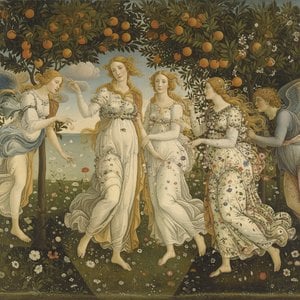
Sandro Botticelli’s “Adoration of the Magi” (4) is a captivating example of Early Renaissance artistry, transporting viewers to a moment of profound religious significance and opulent spectacle. This painting isn't merely a depiction of a biblical scene; it’s a window into the evolving artistic sensibilities of 15th-century Florence. It stands as a testament to Botticelli’s mastery—a fusion of meticulous observation and imaginative interpretation that continues to inspire awe centuries later.
Subject & Narrative
The artwork portrays the pivotal episode from the Gospel of Matthew where the Three Magi – wise men, kings, or astrologers – arrive to pay homage to the newborn Jesus. The scene is bustling with activity: figures kneel in adoration, present lavish gifts (gold, frankincense, and myrrh), and engage in reverent interactions with Mary and Joseph. Botticelli masterfully captures the *communal* aspect of this sacred event, filling the composition with a diverse array of onlookers – shepherds, attendants, noblemen – all drawn to witness the miraculous birth. The artist’s intention was not simply to record an historical narrative; he sought to convey the spiritual essence of faith and devotion—a theme that resonated deeply within Florentine society at the time.
Style & Technique
Botticelli’s style is immediately recognizable for its elegant linearity and graceful forms. He bridges the gap between the late Gothic period and the burgeoning Renaissance, favoring flowing drapery, delicate facial features, and a refined sense of composition. Executed in oil on panel, the technique allows for subtle blending of colors and meticulous detail. The artist’s brushwork creates a slightly textured surface, particularly noticeable in the rich fabrics and skin tones, adding depth and realism to the scene. Botticelli's approach distinguishes itself through its lyrical quality—a deliberate departure from the rigid conventions of preceding artistic traditions. He prioritized beauty and harmony above all else, reflecting the humanist ideals that were gaining prominence during his era.
Historical Context & Influences
Born in Florence around 1445, Botticelli lived during a period of immense cultural and artistic flourishing. Commissioned by wealthy patrons like the Medici family, his work reflected both religious devotion and humanist ideals. The “Adoration of the Magi” was a popular subject for Renaissance artists, offering opportunities to showcase their skill in depicting complex narratives, elaborate costumes, and architectural grandeur. Botticelli’s influence extended beyond Florence; he corresponded with artists across Europe, disseminating innovative stylistic ideas and contributing to the broader artistic dialogue of his time. He drew inspiration from earlier masters like Fra Filippo Lippi, but developed a uniquely personal style that would influence generations of artists—a style characterized by its ethereal beauty and symbolic richness.
Symbolism & Meaning
The painting is rich in symbolic meaning. The gifts presented by the Magi – gold symbolizes kingship, frankincense divinity, and myrrh – foreshadows Jesus’ sacrifice. The architectural setting, reminiscent of a Roman temple or palace, suggests the universality of Christ's message and his claim to earthly and divine authority. The inclusion of numerous figures emphasizes the widespread recognition of Jesus as the Messiah. Botticelli skillfully employed visual metaphors to convey theological concepts—a hallmark of Renaissance art—creating an artwork that transcends its immediate subject matter and speaks to enduring themes of spirituality and redemption.
Emotional Impact & Aesthetic Appeal
“Adoration of the Magi” evokes a sense of reverence, awe, and joyous celebration. The soft, diffused lighting creates an atmosphere of serenity and spiritual contemplation. The warm color palette – dominated by reds, blues, golds, and browns – contributes to the painting’s opulent and inviting aesthetic. Consider framing a reproduction with ornate gold detailing to complement the painting's rich color palette and historical context.
This artwork is not just visually stunning; it invites viewers to reflect on themes of faith, hope, and the transformative power of belief. It's a piece that would lend itself beautifully to both traditional and contemporary interiors, adding a touch of Renaissance elegance and timeless beauty.
## Collecting & Reproduction
- Botticelli’s works are highly sought after by collectors and institutions worldwide.
- High-quality reproductions allow art enthusiasts to enjoy the beauty and symbolism of this masterpiece in their own homes or offices.
- Consider framing a reproduction with ornate gold detailing to complement the painting's rich color palette and historical context.