

De kunstwerken die op deze pagina worden weergegeven, zijn beschermd door de auteursrechtwetgeving, wat betekent dat het ons wettelijk niet is toegestaan om identieke reproducties te maken of te verkopen. Deze bescherming wordt gehandhaafd onder internationale overeenkomsten zoals de Conventie van Bern en door nationale wetgeving, waaronder de bepalingen van de Amerikaanse auteurswet - Titel 17. Alle rechten voorbehouden. Reproduceren of distribueren van afbeeldingen is niet toegestaan zonder uitdrukkelijke schriftelijke toestemming van WahooArt.com en de rechthebbenden.
Deze methode voldoet volledig aan de auteursrechtwetgeving, omdat het niet gaat om het kopiëren of dupliceren van het beschermde kunstwerk. In plaats daarvan is er sprake van een creatieve herinterpretatie — een nieuw schilderij dat door het origineel wordt geïnspireerd, maar er niet identiek aan is.
Giclée- of canvasafdruk van museumkwaliteit met een snelle productie en flexibele afwerkingsmogelijkheden. ( Bestel handgeschilderde reproductie Schakel over naar digitale afbeeldingen)
Kies uit onze vooraf ingestelde maten die overeenkomen met de originele verhoudingen van het kunstwerk.

Voer de gewenste breedte en hoogte in, passend bij uw lijst of muur. Een afdruk kan alleen worden ingekort en nooit groter worden gemaakt dan het origineel; een formaat met andere verhoudingen zal daarom een deel van de afbeelding verliezen. Wij sturen u een digitaal mockup ter goedkeuring voordat we tot drukwerk overgaan. De afbeelding op deze pagina toont niet de werkelijke uitsnede — dit is alleen te zien op het mockup.
Wereldwijde levering () binnen 2 weken in plaats van de standaard 4/5 weken. (9 november)
Prototype for a sandal
Afmetingen reproductie
To gaze upon this prototype for a sandal is not merely to observe an object; it is to encounter a moment in the confluence of art, engineering, and sheer human elegance. Dating from 1930, this piece by Salvatore Ferragamo transcends its function as mere footwear. It stands instead as a tangible artifact of early modernist design—a whisper from the golden age when fashion dared to challenge convention. The composition itself, isolated against a stark white void, forces an intimate dialogue between the viewer and the curve of the shoe. One is immediately struck by the masterful interplay of materials: the rich, reflective gleam of gold juxtaposed with deep, velvety blacks.
Ferragamo’s genius, evident here, lies in his ability to elevate utilitarian objects into works of art. The surface treatment is a study in controlled contrast. Polished metallic golds catch the diffused studio light, suggesting luxury and permanence, while the scattered black polka dots introduce an element of playful disruption. These dots are not random; they are calculated accents that break the otherwise smooth, sweeping contours of the design. Furthermore, the subtle shift in tone near the heel—a warmer, muted bronze or copper—adds a necessary depth, implying material variation and the passage of time even within a pristine prototype. The technique employed here is one of meticulous studio documentation, designed to capture every facet of the artisan's vision.
The year 1930 places this sandal squarely in an era of profound societal change, where Art Deco glamour was at its zenith. Ferragamo, a pioneer whose career spanned redefining footwear for Hollywood’s most dazzling stars, understood that fashion must mirror the spirit of its age. This design embodies that tension: it possesses the structural formality associated with grand architectural movements while simultaneously injecting a whimsical, almost joyful pattern through the polka dots. It speaks to a time when craftsmanship was paramount, before mass production diluted the singular touch of the master artisan.
What does this sandal symbolize? Beyond mere adornment, it speaks to liberation—the freedom found in design that is both restrictive (by its perfect form) and utterly playful (by its pattern). The polka dots can be read as a visual representation of modernity itself: an organized scattering of delightful imperfection. For the collector or designer, owning a reproduction of this piece offers more than aesthetic pleasure; it offers a connection to a lineage of visionary design—a tangible link to the moment when shoemaking became high art. It evokes a feeling of sophisticated nostalgia, a yearning for an era where every object held such deliberate beauty.
"Prototype for a sandal" door Salvatore Ferragamo vertoont een Statement contrast tussen de lichte en donkere partijen.
"Prototype for a sandal" heeft een Elegant atmosfeer.
In "Prototype for a sandal" door Salvatore Ferragamo ontmoet de Art Deco-stroming de Moderne tijd-periode.


1898 - 1960 , Italie

Discover the allure of Art Deco style with our expert guide to luxury interiors. Explore iconic influences from Erté to Jean Dunand and learn to curate a sophisticated space filled with timeless glamour and geometric elegance.

Explore the divine mastery of Byzantine gold leaf and gilding. Discover how ancient artisans used gold ground and mosaics to create celestial light, a timeless legacy of spiritual splendor and technical excellence in sacred art history.
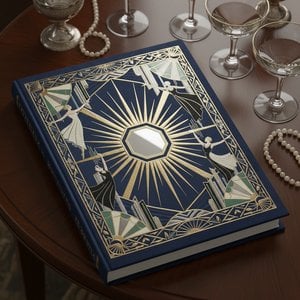
Discover the allure of Art Deco through a curated guide to its most iconic masterpieces. Explore the elegance of Erté and the innovation of Jean Dunand, perfect for collectors seeking timeless glamour and sophisticated design inspiration.

Discover the breathtaking allure of Art Deco. Explore the era's iconic geometry, legendary designers like Erté, and timeless glamour. Perfect for discerning collectors seeking to infuse their spaces with sophisticated modernist elegance and historical prestige.

Embark on a visual journey through the world's most radiant masterpieces. Discover how gold leaf, impasto textures, and gilded tones define luxury in fine art, from Byzantine icons to modern abstracts. Explore the eternal allure of gold in curated, museum-quality art collections.
 Verstuur
 Delen
Delen
 Details bekijken
 Gids
Gids

 Download
 Vergelijkbare items
 Diavoorstelling
 Vraag & antwoord
 Statistieken


 Lees meer






































 De optie voor glas is alleen beschikbaar bij een formaat kleiner dan 110 cm.


