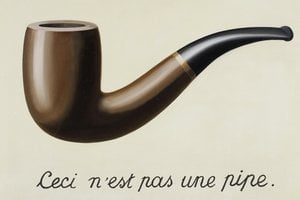
VoorvertoningVoorvertoning Bekijk in ARBekijk in AR Bestel handgeschilderde reproductie Bestel handgeschilderde reproductieSwitch to Digital Image Switch to Digital Image VerstuurVerstuur
Details bekijkenDetails bekijken Toevoegen aan favorieten Toevoegen aan favorieten DownloadDownload Vergelijkbare itemsVergelijkbare items RöntgenonderzoekRöntgenonderzoek DiavoorstellingDiavoorstelling StatsStats

The looking glass

René Magritte (1898-1967): Belgische surrealist meester van dromerige kunstwerken, bekend om 'De Trecheerschap van Beelden' en 'Tijd in Beweging'. Ontdek zijn mysterieuze wereld!

Giclée / Kunstafdrukken

Giclée- of canvasafdruk van museumkwaliteit met een snelle productie en flexibele afwerkingsmogelijkheden. (Bestel handgeschilderde reproductie Bestel handgeschilderde reproductieSwitch to Digital Image Switch to Digital Image)

P118B $10
P118H $10
P118W $10
P438Z $10
P508JH $12
P508YH $12
P805H $10
P805Z $10
P919BZ $10
P919G $10
P919XJ $10
P959ZH $10
P968JZ $12
W106C $8
W218G $10
W218JH $8
W218Y $10
W307PJ $10
W316G $10
W316PJ $8
W316Y $10
W398PJ $8
W4111J $10
W500HY $15
W500JH $15
W692G $12
W849H $8
W940BG $15
W953PJ $8

Standaardformaat
op maat gemaakt
CM
INCH

Kies uit onze vooraf ingestelde maten die overeenkomen met de originele verhoudingen van het kunstwerk.

breedte
hoogte

U kunt uw eigen afmetingen opgeven om in een specifieke lijst of ruimte te passen. Als de door u gekozen maat niet overeenkomt met de proporties van het originele kunstwerk, zullen wij de afbeelding bijsnijden of uitbreiden met een gespiegelde of effen rand. Een digitaal mockup wordt ter goedkeuring naar u verzonden voordat de productie begint.
Houd er rekening mee dat de preview op het scherm de werkelijke bijsneding of uitbreiding niet weergeeft. Alleen de mockup toont de uiteindelijke compositie nauwkeurig.
Hoewel aangepaste maten beschikbaar zijn, raden wij aan een afmeting uit de vooraf bepaalde lijst te kiezen om de originele proporties te behouden.

Wereldwijde levering () binnen 2 weken in plaats van de standaard 4/5 weken. (8 september)

why_choose_icon
Gratis wereldwijde expressverzending
why_choose_icon
Hoogwaardig linnen canvas
why_choose_icon
Volledige verzendverzekering
why_choose_icon
Garantie op terugbetaling van invoerrechten
why_choose_icon
Garantie op exacte kleurweergave
why_choose_icon
Retourbeleid van 100 dagen (alleen bij defecten)
why_choose_icon
100% Geld-terug-garantie
why_choose_icon
Korting bij meerdere afnames

Totaalprijs

$ 69

reproduction

The looking glass

Giclée / Kunstafdrukken

Afmetingen reproductie

-

Eindtotaal

$ 69

Snelle feiten

  • Influences:
    • Cubism
    • Dadaism
  • Dimensions: 76 x 115 cm
  • Artistic style: Juxtaposition, Illusion
  • Subject or theme: Representation, Reality
  • Artist: René Magritte
  • Year: 1963
  • Title: The Looking Glass

Kunstquiz

Er is slechts één goed antwoord op elke vraag.

Vraag 1:
What is the primary subject depicted in René Magritte’s ‘The Looking Glass’?
Vraag 2:
The painting ‘The Looking Glass’ was created in which year?
Vraag 3:
What artistic movement is most closely associated with René Magritte’s work, as exemplified by ‘The Looking Glass’?
Vraag 4:
The title 'The Looking Glass' suggests what concept within the painting?
Vraag 5:
What color is prominently featured in the window frame of ‘The Looking Glass’?

A Window Into Unreality: René Magritte’s “The Looking Glass”

René Magritte's "The Looking Glass," painted in 1963, isn’t merely a depiction of a window; it’s an invitation to dismantle the very foundations of perception. This deceptively simple oil on canvas—measuring a modest 76 x 115 cm—embodies the core tenets of Magritte's surrealist philosophy: a deliberate blurring of reality and representation, a playful subversion of expectations, and a profound meditation on the nature of seeing itself. The painting immediately draws the viewer in with its stark contrast – a vibrant red frame enclosing a pristine white door that opens onto an idyllic blue sky dotted with fluffy clouds. Yet, crucially, there’s no mirror within the window, no reflection to confirm what we instinctively assume is ‘real.’ This absence, this carefully constructed void, is precisely where Magritte's genius lies.

The Seeds of Surrealism: Early Trauma and Artistic Vision

Born René François Ghislain Magritte in Lessines, Belgium, in 1898, Magritte’s life was profoundly shaped by early loss. The tragic death of his mother – a haunting image of her body recovered from the River Sambre with her dress concealing her face – became a recurring motif throughout his oeuvre. This deeply personal experience instilled within him a fascination with hidden realities and the unsettling power of what remains unseen, themes that resonate powerfully in “The Looking Glass.” His artistic journey began with Impressionism, but he quickly gravitated towards the burgeoning surrealist movement, finding kindred spirits in artists like André Breton who sought to liberate art from the constraints of logic and reason. Magritte’s early training in drawing provided a solid foundation for his later explorations of form and composition, while his exposure to Cubism and Dadaism further informed his unique visual language.

Symbolic Layers: Beyond the Surface

“The Looking Glass” operates on multiple symbolic levels. The window itself represents a portal – not just to an external world, but also to the realm of imagination and the subconscious. The red frame, often associated with passion or warning, introduces an element of tension and disruption. More significantly, the open white door leading to the blue sky symbolizes possibility and escape, yet its lack of reflection highlights the impossibility of truly knowing what lies beyond our immediate perception. The clouds themselves are not merely atmospheric details; they evoke a sense of mystery and uncertainty, mirroring the elusive nature of truth. Magritte’s deliberate choice to omit any reflective surface is key – it forces us to confront the fact that our understanding of reality is always mediated by representation.

A Legacy of Illusion: Context and Influence

“The Looking Glass” was created during a period when Magritte was deeply engaged with exploring the relationship between objects and their representations, a central concern for many surrealist artists. His work stands as a significant contribution to 20th-century Western painting, aligning it within the broader context of avant-garde movements that challenged conventional notions of art and reality. The influence of Marcel Duchamp is undeniable; both artists questioned the role of the artist and the nature of artistic creation through their explorations of representation. Magritte’s meticulous technique—characterized by a precise realism combined with deliberately unsettling juxtapositions—has had a lasting impact on contemporary art, inspiring generations of artists to question the boundaries between what we see and what we believe.

A reproduction of “The Looking Glass” offers a captivating glimpse into Magritte’s visionary world. Its evocative imagery and thought-provoking symbolism make it an ideal addition to any collection or interior space, inviting contemplation and sparking dialogue about the nature of perception and reality. WahooArt's hand-painted reproductions capture the essence of this iconic masterpiece with exceptional detail and fidelity, ensuring that its enigmatic beauty can be enjoyed for years to come.


Biografie van de kunstenaar

Early Life and the Seeds of Surrealism

René Magritte, geboren René François Ghislain Magritte op 21 november 1898 in Lessines, België, kwam in een wereld terecht die zijn enigmatische artistieke visie diepgaand zou vormen. Zijn vroege jaren werden gekenmerkt door een onheilspellend incident – de zelfmoord van zijn moeder toen hij slechts dertien jaar oud was. Het beeld van haar lichaam dat uit de Samber werd opgegraven, met haar jurk die haar gezicht bedekte, werd een spookachtig motief dat subtiel terugkeerde in zijn latere werk, zich manifesteerde in verduisterde figuren en een voortdurende zoektocht naar verborgen realiteiten. Deze vroege trauma’s zaaiden een fascinatie met mysterie, verlies en de verstikkende kracht van wat onthuld blijft. Hoewel details van zijn jeugd enigszins ongrijpbaar zijn, is duidelijk dat deze vormende ervaring de basis legde voor zijn levenslange vraaging naar perceptie en representatie. Hij begon op tienjarige leeftijd met tekenen, wat een innige neiging tot visuele expressie onthulde, maar experimenteerde aanvankelijk met Impressionisme voordat hij een pad insloeg dat hem zou leiden tot het worden van een van de meest significante figuren in de Surrealistische kunst.

Artistic Development and Influences

Magritte’s artistieke reis was niet direct of rechtlijnig. Hij studeerde aan de Académie Royale des Beaux-Arts in Brussel, maar vond de traditionele methoden daar verstikkend. Zijn vroege werk experimenteerde met Futurisme en Cubisme, waardoor elementen van deze avantgardistische bewegingen werden opgenomen, maar uiteindelijk weigerde hun puur formele bezorgdheid. Het was pas in 1922, toen hij de schilderij *The Song of Love* van Giorgio de Chirico ontmoette, dat Magritte een resonatie ontdekte die zijn artistieke koers onherstelbaar zou veranderen. De Chirico’s dromerige landschappen en verontrustende juxtaposities openden voor Magritte een nieuwe manier van kijken – een wereld waar het bekende vreemd kon worden gemaakt, en het alledaagse met diepe mystiek werd ingezaaid. Dit ontmoeting leidde tot zijn toewijding aan Surrealisme, hoewel hij vaak een unieke afstand behield van de meer expliciet psychologische of automatische aspecten ervan. Hij prefereerde een nauwkeurige, bijna klinische precisie in zijn schilderkunst, waarbij hij realistische technieken gebruikte om illogische scenario’s weer te geven.

The Heart of Surrealism: Challenging Reality

Vanaf 1926 had Magritte zich volledig ingezet voor de principes van Surrealisme, waarbij hij *Le Jockey Perdu (The Lost Jockey)* produceerde, die breed wordt beschouwd als zijn eerste echt surrealistische werk. Echter, zijn soort Surrealisme was uniek. Hij was niet geïnteresseerd in het verkennen van het onbewuste door vrije associatie of dromerige beelden zoals sommige van zijn tijdgenoten. In plaats daarvan zocht Magritte naar een manier om de perceptie van de werkelijkheid uit te dagen door alledaagse objecten in onverwachte contexten te presenteren, waardoor kijkers werden aangemoedigd hun aannames over de wereld om hen heen in twijfel te trekken. Iconische werken zoals *The Treachery of Images (This is not a pipe)* (1929) ontleden het relatie tussen beeld en object briljant, herinnerend ons dat een representatie nooit het ding zelf is. *Les Amants (The Lovers)* (1927-1928), met zijn verduisterde figuren, echoë de trauma’s van zijn moeder dood terwijl tegelijkertijd intimiteit en verborgenheid worden onderzocht. *Time Transfixed* (1938) presenteert een locomatief die door een bakstenen muur barst, waardoor onze perceptie van ruimte en tijd wordt verstoord. En *The Human Condition* (1933), een doek in een doek, vervaagt de grenzen tussen representatie en werkelijkheid, waardoor we worden aangemoedigd om te overwegen hoe we de wereld waarnemen en interpreteren.

Later Life, Recognition, and Enduring Legacy

Ondanks initiële moeilijkheden met erkenning, kreeg Magritte’s werk geleidelijk aan meer bekendheid, vooral in de Verenigde Staten door tentoonstellingen in 1936 en latere retrospectieve tentoonstellingen op het Museum of Modern Art (1965) en het Metropolitan Museum of Art (1992). Hij bleef politiek actief gedurende zijn hele leven, waarbij hij artistieke autonomie verdedigde. Hij bleef zijn kenmerkende stijl verfijnen, thema’s van herhaling, illusie en de kracht van taal onderzoeken in schilderijen die zowel intellectueel stimulerend als visueel aantrekkelijk zijn. Magritte stierf op 15 augustus 1967, waardoor een oeuvre achterbleef dat nog steeds kijkers wereldwijd fascineert en uitdaagt. Zijn invloed strekt zich verder uit dan de schilderkunst, beïnvloedt pop art, minimalistische kunst, conceptuele kunst en zelfs reclame en film. Vandaag de dag worden zijn schilderijen in belangrijke museumcollecties over de hele wereld gehouden, waaronder de Musées royaux des beaux-arts de Belgique in Brussel, die het Magritte Museum herbergen – gewijd geheel aan zijn werk en dat de grootste collectie van zijn creaties bezit.
  • Museum Collecties: Musées royaux des beaux-arts de Belgique, Brussels; Magritte Museum.
Magritte’s blijvende nalatenschap ligt in zijn vermogen om ons op een nieuwe manier te laten zien, om onze aannames over de werkelijkheid in twijfel te trekken en om te waarderen hoe kunst kan provoceren en wonder inspireren. Hij schilderde niet alleen beelden; hij creëerde visuele paradoxen die decennia na hun creatie nog steeds resoneren bij kijkers, waardoor zijn positie als een ware meester van Surrealisme en een sleutelfiguur in de 20e eeuwse kunst wordt versterkt.

René Magritte

René Magritte

1898 - 1967 , België

Belangrijkste feiten

  • Artistic Movement Or Style: Surrealisme
  • Artists Or Movements Influenced By This Artist:
    • Pop art
    • Minimalisme
  • Artists Who Influenced This Artist: ['Giorgio de Chirico']
  • Date Of Birth: 21 november 1898
  • Date Of Death: 15 augustus 1967
  • Full Name: René François Ghislain Magritte
  • Nationality: Belgisch
  • Notable Artworks:
    • De Lovers
    • Treurkaart
    • Tijd verstijfd
  • Place Of Birth: Lessines, België
Ontdek kunstwerken georganiseerd op thema, stijl en kenmerk.