De kunstwerken die op deze pagina worden weergegeven, zijn beschermd door de auteursrechtwetgeving, wat betekent dat het ons wettelijk niet is toegestaan om identieke reproducties te maken of te verkopen. Deze bescherming wordt gehandhaafd onder internationale overeenkomsten zoals de Conventie van Bern en door nationale wetgeving, waaronder de bepalingen van de Amerikaanse auteurswet - Titel 17. Alle rechten voorbehouden. Reproduceren of distribueren van afbeeldingen is niet toegestaan zonder uitdrukkelijke schriftelijke toestemming van WahooArt.com en de rechthebbenden.
Deze methode voldoet volledig aan de auteursrechtwetgeving, omdat het niet gaat om het kopiëren of dupliceren van het beschermde kunstwerk. In plaats daarvan is er sprake van een creatieve herinterpretatie — een nieuw schilderij dat door het origineel wordt geïnspireerd, maar er niet identiek aan is.
Giclée- of canvasafdruk van museumkwaliteit met een snelle productie en flexibele afwerkingsmogelijkheden. ( Bestel handgeschilderde reproductie Schakel over naar digitale afbeeldingen)





























Kies uit onze vooraf ingestelde maten die overeenkomen met de originele verhoudingen van het kunstwerk.

Voer de gewenste breedte en hoogte in, passend bij uw lijst of muur. Een afdruk kan alleen worden ingekort en nooit groter worden gemaakt dan het origineel; een formaat met andere verhoudingen zal daarom een deel van de afbeelding verliezen. Wij sturen u een digitaal mockup ter goedkeuring voordat we tot drukwerk overgaan. De afbeelding op deze pagina toont niet de werkelijke uitsnede — dit is alleen te zien op het mockup.
Wereldwijde levering () binnen 2 weken in plaats van de standaard 4/5 weken. (1 november)
La etapa
Afmetingen reproductie
René Magritte’s “La etapa,” or “The Stage,” is more than just a depiction of an ordinary scene; it's a meticulously crafted puzzle designed to unsettle the viewer and invite contemplation on themes of memory, loss, and the elusive nature of reality. Painted in 1962, this iconic Surrealist artwork embodies Magritte’s signature style—characterized by deceptively simple compositions juxtaposed with jarring incongruities that challenge our assumptions about perception.
The tree itself serves as a potent symbol—representing resilience, growth, and perhaps even the enduring presence of formative experiences. Its stark silhouette against the muted backdrop underscores the painting’s melancholic mood. Simultaneously, the automobile embodies modernity and progress, yet its positioning before the tree introduces an element of discordance. The car's headlights illuminate the scene, casting shadows that heighten the sense of mystery.
Perhaps the most striking visual detail is the woman seated in the car—her face obscured by a curtain or cloth. This deliberate concealment speaks to Magritte’s preoccupation with concealing what is seen and revealing what remains hidden beneath the surface. It echoes the image of his mother's body recovered from the River Sambre, symbolizing the trauma of childhood and the difficulty of confronting painful memories.
"La etapa" resonates deeply with viewers due to its ability to provoke introspection and question our understanding of reality. Magritte’s deliberate ambiguity compels us to confront uncomfortable truths about memory, identity, and the limitations of perception—themes that continue to fascinate art historians and critics today.
Its influence extends far beyond the Surrealist movement itself, inspiring artists across genres to explore similar strategies of visual paradox. “La etapa” stands as a testament to Magritte’s genius—a deceptively simple painting that encapsulates the profound philosophical concerns of its time and endures as an emblem of Surrealist artistry.
Binnen de Surrealist Movement-stroming is "La etapa" vastgelegd met een Reflective toon.
Op de Voorvertoning-pagina van "La etapa" kunt u het kunstwerk bekijken voordat u bestelt.
Binnen de Surrealist Movement-stroming heeft "La etapa" een Iconic populariteitsniveau.


1898 - 1967 , België

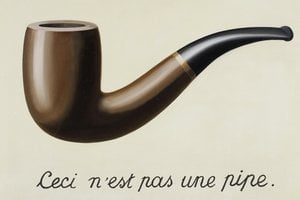
Delve into the profound mysteries of René Magritte’s Surrealism. Explore an expert analysis of 'The Treachery of Images,' decoding the philosophical paradoxes and visual subversions that redefined modern art history for collectors and connoisseurs alike.
 Voorvertoning
 Verstuur
 Delen
Delen
 Details bekijken
 Gids
Gids

 Download
 Vergelijkbare items
 Röntgenonderzoek
 Diavoorstelling
 Q&A
Q&A Statistieken
 Lees meer









 De optie voor glas is alleen beschikbaar bij een formaat kleiner dan 110 cm.