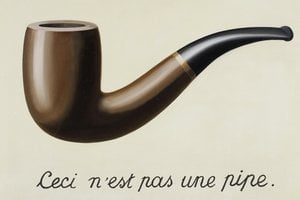
Giclée- of canvasafdruk van museumkwaliteit met een snelle productie en flexibele afwerkingsmogelijkheden. ( Bestel handgeschilderde reproductie Koop afbeelding)





























Kies uit onze vooraf ingestelde maten die overeenkomen met de originele verhoudingen van het kunstwerk.

U kunt uw eigen afmetingen opgeven om in een specifieke lijst of ruimte te passen. Als de door u gekozen maat niet overeenkomt met de proporties van het originele kunstwerk, zullen wij de afbeelding bijsnijden of uitbreiden met een gespiegelde of effen rand. Een digitaal mockup wordt ter goedkeuring naar u verzonden voordat de productie begint.
Houd er rekening mee dat de preview op het scherm de werkelijke bijsneding of uitbreiding niet weergeeft. Alleen de mockup toont de uiteindelijke compositie nauwkeurig.
Hoewel aangepaste maten beschikbaar zijn, raden wij aan een afmeting uit de vooraf bepaalde lijst te kiezen om de originele proporties te behouden.
Wereldwijde levering () binnen 2 weken in plaats van de standaard 4/5 weken. (7 september)


Exercices spirituels
Afmetingen reproductie
René Magritte’s “Exercices spirituels,” completed in 1936, stands as a quintessential example of surrealist art—a deceptively simple composition brimming with psychological depth and challenging viewers to question the nature of perception itself. This striking oil painting depicts a nude female figure positioned against a dark wall, subtly illuminated by a distant seascape glimpsed through a large, reflective sphere. Beside her rests a stack of numbered boxes, adding an element of unsettling order to the scene’s dreamlike atmosphere.
While Magritte employs meticulous realism in rendering skin tones and architectural details—particularly the wall—the overall effect transcends mere representation. Lines delineate the figure's form with precision, mirroring the geometric structure imposed by the sphere and the boxes. Texture is skillfully conveyed, hinting at the materiality of both flesh and stone. However, it’s Magritte’s masterful manipulation of light and shadow that truly elevates “Exercices spirituels,” casting dramatic contrasts which emphasize the figure’s contours and contribute to a pervasive mood of contemplation and isolation.
Created during Magritte’s formative years as a surrealist, “Exercices spirituels” aligns perfectly with André Breton and his fellow artists’ ambition to liberate the subconscious mind from rational constraints. Surrealism sought to tap into dreams, fantasies, and irrational impulses—beliefs that reality is often deceptive and that art should provoke unsettling questions about our understanding of the world. Magritte's preoccupation with visual paradoxes – juxtaposing familiar objects in unexpected ways – reflects this core principle.
The reflective sphere dominates the composition, acting as a potent symbol of distorted perception and perhaps representing an impenetrable barrier between the viewer and true understanding. It mirrors the seascape, suggesting that what we see is not necessarily what is real—a motif recurrent throughout Magritte’s oeuvre. The numbered boxes beside the figure introduce an element of bureaucratic control and underscore the pressures exerted by societal norms. Collectively, these symbols invite viewers to consider themes of confinement, identity, and the struggle for autonomy.
"Exercices spirituels" doesn't shout its message; rather, it whispers a subtle disquiet—a feeling of unease born from confronting an image that defies easy interpretation. Magritte’s deliberate ambiguity compels us to confront our own assumptions about reality and invites contemplation on the hidden dimensions of human experience. It remains a powerfully evocative artwork, demonstrating Magritte's unparalleled ability to distill complex psychological ideas into deceptively elegant visual forms.


1898 - 1967 , België

Delve into the profound mysteries of René Magritte’s Surrealism. Explore an expert analysis of 'The Treachery of Images,' decoding the philosophical paradoxes and visual subversions that redefined modern art history for collectors and connoisseurs alike.

 Voorvertoning
 Verstuur
 Delen
Delen
 Details bekijken

 Download
 Vergelijkbare items
 Röntgenonderzoek
 Diavoorstelling
 Lees meer







 De optie voor glas is alleen beschikbaar bij een formaat kleiner dan 110 cm.