Bekijk op ware grootte Bekijk in AR Koop handgeschilderd kunstwerk Schakel over naar digitale afbeeldingen Verstuur
Details bekijken Gids voor studentenkunstwerken Toevoegen aan favorieten Download Vergelijkbare items Röntgenonderzoek Diavoorstelling Statistieken

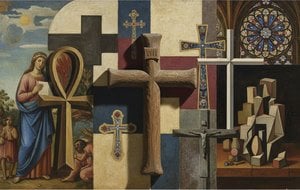
The Serpent ^ The Cross

'Saint Margaret' was created in 1518 by Raphael in High Renaissance style. Find more prominent pieces of religious painting at WikiArt.org – best visual art ...

Raphael (1483-1520): Een meester van de Renaissance, bekend om zijn serene Madonnen, architectuur en iconische werken zoals 'De School van Athene'. Ontdek zijn Urbino wortels & artistieke nalatenschap.

Giclée / Kunstafdrukken

Giclée- of canvasafdruk van museumkwaliteit met een snelle productie en flexibele afwerkingsmogelijkheden. ( Koop handgeschilderd kunstwerk Schakel over naar digitale afbeeldingen)

Corner sample of the P118B picture frame: gegoten polystyreen, 5 cm wide and 3 cm thick
P118B €10
Corner sample of the P118H picture frame: gegoten polystyreen, 5 cm wide and 3 cm thick
P118H €10
Corner sample of the P118W picture frame: gegoten polystyreen, 5 cm wide and 3 cm thick
P118W €10
Corner sample of the P438Z picture frame: gegoten polystyreen, 5.5 cm wide and 3.5 cm thick
P438Z €10
Corner sample of the P508JH picture frame: gegoten polystyreen, 7 cm wide and 3.5 cm thick
P508JH €12
Corner sample of the P508YH picture frame: gegoten polystyreen, 7 cm wide and 3.5 cm thick
P508YH €12
Corner sample of the P805H picture frame: gegoten polystyreen, 5 cm wide and 3.5 cm thick
P805H €10
Corner sample of the P805Z picture frame: gegoten polystyreen, 5 cm wide and 3.5 cm thick
P805Z €10
Corner sample of the P919BZ picture frame: gegoten polystyreen, 7 cm wide and 3.5 cm thick
P919BZ €10
Corner sample of the P919G picture frame: gegoten polystyreen, 7 cm wide and 3.5 cm thick
P919G €10
Corner sample of the P919XJ picture frame: gegoten polystyreen, 7 cm wide and 3.5 cm thick
P919XJ €10
Corner sample of the P959ZH picture frame: gegoten polystyreen, 5 cm wide and 3 cm thick
P959ZH €10
Corner sample of the P968JZ picture frame: gegoten polystyreen, 6 cm wide and 4 cm thick
P968JZ €12
Corner sample of the W106C picture frame: massief hout, 5 cm wide and 3 cm thick
W106C €8
Corner sample of the W218G picture frame: massief hout, 5 cm wide and 3 cm thick
W218G €10
Corner sample of the W218JH picture frame: massief hout, 5 cm wide and 3 cm thick
W218JH €8
Corner sample of the W218Y picture frame: massief hout, 5 cm wide and 3 cm thick
W218Y €10
Corner sample of the W307PJ picture frame: massief hout, 6 cm wide and 3 cm thick
W307PJ €10
Corner sample of the W316G picture frame: massief hout, 6 cm wide and 3 cm thick
W316G €10
Corner sample of the W316PJ picture frame: massief hout, 6 cm wide and 3 cm thick
W316PJ €8
Corner sample of the W316Y picture frame: massief hout, 6 cm wide and 3 cm thick
W316Y €10
Corner sample of the W398PJ picture frame: massief hout, 5 cm wide and 3 cm thick
W398PJ €8
Corner sample of the W4111J picture frame: massief hout, 6.5 cm wide and 3.5 cm thick
W4111J €10
Corner sample of the W500HY picture frame: massief hout, 7 cm wide and 5 cm thick
W500HY €15
Corner sample of the W500JH picture frame: massief hout, 7 cm wide and 5 cm thick
W500JH €15
Corner sample of the W692G picture frame: massief hout, 8 cm wide and 4 cm thick
W692G €12
Corner sample of the W849H picture frame: massief hout, 5 cm wide and 3 cm thick
W849H €8
Corner sample of the W940BG picture frame: massief hout, 7.5 cm wide and 4.5 cm thick
W940BG €15
Corner sample of the W953PJ picture frame: massief hout, 6 cm wide and 3.5 cm thick
W953PJ €8

Standaardformaat
op maat gemaakt
CM
INCH

Kies uit onze vooraf ingestelde maten die overeenkomen met de originele verhoudingen van het kunstwerk.

breedte
hoogte

Voer de breedte en de hoogte in die u nodig heeft, passend bij uw lijst of uw muur. Een afdruk kan alleen worden ingekort, nooit groter worden gemaakt dan het origineel, waardoor een formaat met een andere verhouding een deel van de afbeelding verliest. Wij sturen u een digitaal mockup ter goedkeuring voordat we iets drukken. De afbeelding op deze pagina toont niet de werkelijke uitsnede — dit is alleen te zien op het mockup.

Wereldwijde levering () binnen 2 weken in plaats van de standaard 4/5 weken. (20 oktober)

Gratis wereldwijde expressverzending
Hoogwaardig linnen canvas
Volledige verzendverzekering
Garantie op terugbetaling van invoerrechten
Garantie op exacte kleurweergave
Retourbeleid van 100 dagen (alleen bij defecten)
100% Geld-terug-garantie
Korting bij meerdere afnames

Totaalprijs

€ 60

The Serpent ^ The Cross

Giclée / Kunstafdrukken

Formaat reproductie

-

Totaalprijs

€ 60

Belangrijkste kenmerken

  • Influences: Humanist learning
  • Medium: Painting
  • Artist: Raphael
  • Artistic style: Allegorical

Kunstquiz

Er is slechts één goed antwoord op elke vraag.

Vraag 1:
What artistic movement is Raphael’s ‘The Serpent ^ The Cross’ primarily associated with?
Vraag 2:
The painting depicts a symbolic battle. What does the serpent represent in this context?
Vraag 3:
What is prominent about Raphael’s depiction of the woman in ‘The Serpent ^ The Cross’?
Vraag 4:
What material was Raphael most likely to have used for this painting?
Vraag 5:
Considering the symbolism of the cross, what overarching theme does ‘The Serpent ^ The Cross’ convey?

A Triumph of Faith Amidst the Shadows

In the grand tapestry of the High Renaissance, few images capture the visceral struggle between light and darkness as poignantly as Raphael’s “The Serpent ^ The Cross.” Painted in 1518, this evocative masterpiece serves as a profound allegory of spiritual victory. At first glance, the viewer is met with a scene of intense drama: a courageous woman stands atop a colossal, undulating serpent, her figure a beacon of resilience against the encroaching gloom. This is not merely a depiction of a battle, but a sophisticated theological statement on the triumph of divine grace over earthly temptation. The serpent, with its scales shimmering in iridescent, almost hypnotic hues, represents the insidious nature of sin and the weight of worldly desire, while the woman’s steady posture embodies the indomitable strength of the human soul when anchored by faith.

The emotional resonance of the piece is deepened by Raphael’s masterful command of chiaroscuro. By orchestrating a dramatic interplay between deep, velvety shadows and piercing highlights, the artist breathes life into the composition, creating a sense of three-dimensional movement that pulls the observer into the fray. The way light catches the golden leaf of the cross she holds aloft creates a celestial focal point, a luminous symbol of redemption that pierces through the surrounding darkness. For the discerning collector or interior designer, this painting offers more than just visual beauty; it provides a profound narrative anchor for a space, inviting contemplation on themes of perseverance and the eternal search for transcendence.

Renaissance Mastery and Symbolic Depth

Technically, “The Serpent ^ The Cross” showcases the pinnacle of Raphael’s skill during his mature period. Utilizing oil on canvas, he achieved a level of textural detail that is nothing short of breathtaking. One can almost feel the cold, slick surface of the dragon's scales and the soft, heavy drape of the woman’s garments. While her attire is rendered in more muted, earthy tones—suggesting a grounded, human vulnerability—the deliberate use of gold leaf on the cross elevates the object from a mere tool to a divine instrument. This contrast between the terrestrial and the celestial is a hallmark of the Renaissance humanist tradition, reflecting the era's fascination with reconciling physical reality with spiritual truth.

The historical context of the work further enriches its meaning. Created during the reign of Federico Montefeltro in Urbino, a city that pulsed with intellectual and artistic innovation, the painting reflects the intense religious fervor and moral inquiry of the early 16th century. As Europe stood on the precipice of profound religious shifts, Raphael’s work captured a moment of absolute conviction. To possess a reproduction of this work is to bring a piece of history into the modern home—a piece that speaks of the enduring human yearning to overcome limitations and embrace a higher truth. It is an ideal selection for those seeking to infuse their environment with a sense of nobility, strength, and timeless grace.

Vragen & Antwoorden

Wie heeft "The Serpent ^ The Cross" gemaakt?

De kunstenaar achter "The Serpent ^ The Cross" is Rafaël. Het werk is gecatalogiseerd onder de naam van Rafaël.

Welk gevoel roepen de kleuren van "The Serpent ^ The Cross" door Rafaël op?

Het Earthy kleurenpalet van "The Serpent ^ The Cross" door Rafaël gaat samen met de Powerful emotionele toon. Kleur is een van de manieren waarop een werk gevoel overbrengt.

Wat voor soort kunstwerk is "The Serpent ^ The Cross" door Rafaël?

"The Serpent ^ The Cross" door Rafaël wordt geclassificeerd als WallArt. De categorie beschrijft het type kunstwerk dat het origineel is.


Biografie van de kunstenaar

De Vroege Jaren en de Renaissance van Urbino

Raffaello Sanzio da Urbino, wereldberoemd als Rafaël, ontsproot aan een uitzonderlijk vruchtbare culturele omgeving. Geboren in 1483 binnen de muren van Urbino, een kleine maar intellectueel levendige stadstaat in het centrale Italië, bracht hij zijn eerste jaren door in een sfeer die zowel artistieke vaardigheid als humanistische geleerdheid hoog in het vaandel droeg. Zijn vader, Giovanni Santi, was niet slechts een schilder in dienst van hertog Federico da Montefeltro – hij was een man diep betrokken bij de stromingen van de Renaissance, een dichter die het leven van de hertog beschreef en actief op zoek ging naar vernieuwende artistieke ideeën uit heel Italië en daarbuiten. Deze onderdompeling in een hofelijke omgeving, die verfijning en intellectuele discussie waardeerde, vormde de jonge Rafaëls gevoeligheid diepgaand. Het verlies van zijn vader op elfjarige leeftijd legde verantwoordelijkheid op hem, maar bood ook de gelegenheid om zijn vaardigheden te perfectioneren in de familie werkplaats, technieken en tradities absorberend onder leiding van lokale kunstenaars. Zelfs in deze vroege werken begon een zachte gratie en minutieuze aandacht voor detail – kenmerken van zijn volwassen stijl – zich af te tekenen.

Van Umbrië naar Florence: Nieuwe Invloeden Opdoen

Rafaëls artistieke reis was er één van voortdurende evolutie, gekenmerkt door periodes van intense studie en assimilatie. Zijn eerste opleiding bij Pietro Perugino in Perugia legde een solide basis in de Umbrische stijl – gekenmerkt door zachte modellering, harmonieuze composities en serene religieuze scènes. Rafaël bezat echter een onstilbare nieuwsgierigheid die hem dreef om nieuwe uitdagingen te zoeken en zijn artistieke horizon te verbreden. In 1504 reisde hij naar Florence, een stad die toen bruiste van artistieke innovatie. Hier ontmoette hij de meesterwerken van Leonardo da Vinci en Michelangelo, kunstenaars die de grenzen van de schilderkunst op ongekende wijze verlegden. Hij bestudeerde hun technieken nauwkeurig – Leonardo’s sfumato, zijn subtiele gradaties van licht en schaduw, en Michelangelo’s krachtige anatomische precisie en dramatische composities. Deze Florentijnse periode was een smeltkroes voor Rafaël, die hem dwong om nieuwe artistieke mogelijkheden onder ogen te zien en deze te synthetiseren tot zijn eigen unieke visie. De invloed is zichtbaar in de toegenomen dynamiek en psychologische diepte van zijn werken uit deze tijd, met name in zijn serie Madonna’s.

De Romeinse Triomf: Opdrachten en Meesterwerken

In 1508 ontving Rafaël een oproep die het verloop van zijn carrière zou veranderen – een uitnodiging van paus Julius II om naar Rome te komen. Dit markeerde het begin van zijn meest productieve en gevierde periode. De Eeuwige Stad bood hem een ongeëvenaarde kans om zijn talenten op grote schaal te tonen, door de pauskamer in het Vaticaan te sieren met adembenemende fresco’s. De School van Athene, misschien wel zijn beroemdste werk, getuigt van zijn beheersing van compositie, perspectief en filosofische allegorie. Binnen deze majestueuze ruimte bracht Rafaël figuren uit de klassieke oudheid samen – Plato, Aristoteles, Pythagoras, Euclid – en creëerde hij een levendig tableau dat menselijke rede en het streven naar kennis vierde. Hij bleef werken voor latere pausen, waaronder Leo X, en ondernam monumentale projecten zoals de decoratie van de Stanze della Segnatura en de Stanza d'Eliodoro. Zijn fresco’s in deze kamers zijn niet slechts decoratief; het zijn diepgaande verklaringen over pauselijke macht, religieus geloof en de idealen van de Renaissance.

Een Synthese van Gratie en Grootsheid: Rafaëls Artistieke Stijl

Rafaëls artistieke stijl wordt vaak omschreven als een harmonieuze mix van gratie, helderheid en geïdealiseerde schoonheid. Hij bezat een buitengewoon vermogen om uiteenlopende invloeden – de Umbrische traditie, Florentijnse innovaties, klassieke oudheid – te synthetiseren tot een uniek evenwichtige esthetiek. Zijn composities zijn minutieus gepland en vertonen een gevoel van orde en proportie dat zijn diepgaande begrip van Renaissance-principes weerspiegelt. Zijn figuren stralen serene waardigheid en emotionele expressiviteit uit, belichamend het humanistische ideaal van menselijke perfectie. Hij was ook een meesterkleurist, die rijke, heldere tinten gebruikte om werken te creëren die zowel visueel aantrekkelijk als intellectueel stimulerend zijn. In tegenstelling tot Michelangelo’s vaak dramatische en turbulente stijl straalt Rafaëls werk een gevoel van kalmte en harmonie uit – een kwaliteit die hem eeuwenlang dierbaar is gebleven bij het publiek.

Nalatenschap en Blijvende Invloed

Rafaëls voortijdige dood in 1520 op de leeftijd van zevenendertig maakte abrupt een carrière af die vol potentieel zat. Toch blijft zijn nalatenschap bestaan als één van de belangrijkste figuren in de westerse kunstgeschiedenis. Zijn werk werd een hoeksteen van de High Renaissance-esthetiek en diende als model voor generaties kunstenaars. Hoewel Michelangelo’s invloed later de artistieke discussie zou domineren, beleefde Rafaëls nadruk op helderheid, harmonie en geïdealiseerde schoonheid een heropleving tijdens de neoklassieke periode, geprezen door critici als Johann Joachim Winckelmann. Vandaag de dag blijven zijn schilderijen ontzag en bewondering inspireren, waarbij kijkers worden geboeid door hun technische genialiteit, emotionele diepte en blijvende aantrekkingskracht. Zijn invloed is te zien in talloze kunstwerken die volgden, waardoor zijn plaats als een ware meester van de Renaissance wordt verstevigd – een schilder die niet alleen het fysieke uiterlijk van zijn onderwerpen vastlegde, maar ook de essentie van menselijke gratie en waardigheid.

Rafaël

Rafaël

1483 - 1520 , Italië

Snelle feiten

  • Artistic Movement Or Style: Hoge Renaissance
  • Artists Or Movements Influenced By This Artist: ['Neoclassicisme']
  • Artists Who Influenced This Artist:
    • Leonardo da Vinci
    • Michelangelo
  • Date Of Birth: 1483
  • Date Of Death: 1520
  • Full Name: Raffaello Sanzio
  • Nationality: Italiaans
  • Notable Artworks: ['School van Athene']
  • Place Of Birth (City And Country): Urbino, Italië
Ontdek kunstwerken georganiseerd op thema, stijl en kenmerk.