Voorvertoning Bekijk in AR Schakel over naar print Bestel handgeschilderde reproductie Verstuur
Details bekijken Gids Toevoegen aan favorieten Download Vergelijkbare items Röntgenonderzoek Diavoorstelling Vraag & antwoord Presentatie Statistieken

Turk Playing a Harp

Afmetingen
245.0 x 163.0 cm

Explore Melchior Lorck’s ‘Turk Playing a Harp’ (1576). A stunning Mannerist engraving showcasing intricate detail, dramatic foreshortening & Eastern influence. Discover Renaissance art.

Melchior Lorck (1526/27-1583): Renaissance painter & printmaker renowned for his detailed visual record of 16th-century Turkish life and customs. First Danish artist with a reconstructable biography, known for portraits, engravings & topographic draw

Ontvang een bestand dat klaar is voor drukwerk en de kwaliteit van het online voorbeeld ver overstijgt. Elke digitale afbeelding die wij verkopen, is afkomstig van een high-resolution master uit onze database — meestal tussen de 5.000 en 15.000 pixels breed — zodat u met vertrouwen groot kunt afdrukken, nauwkeurig kunt bijsnijden of fijne details kunt reproduceren.

Geen enkel bestand verlaat ons atelier onbewerkt. Een digitaal expert controleert de kleuren aan de hand van het originele schilderij en corrigeert deze indien nodig, om vervolgens de helderheid en details te verbeteren met professionele retoucheertechnieken — waarbij de penseelstreek en stijl van de kunstenaar altijd strikt worden gerespecteerd. Het resultaat is een afbeelding die oogt als het schilderij zelf, en niet als een gescande foto met een filter.

U keurt de afbeelding goed voordat de bestelling wordt afgerond: onze expert stuurt u binnen 72 uur een e-mail ter beoordeling. Niet tevreden? Vraag om aanpassingen of correcties, of vraag een terugbetaling aan als de kwaliteit niet aan de verwachtingen voldoet.

Dit is de kwaliteit waarop uitgevers, designstudio's, galeries en drukkerijen vertrouwen.

Digitale afbeeldingen

Download een bestand met hoge resolutie voor persoonlijke weergave, afdrukken en creatieve projecten. ( Schakel over naar print Bestel handgeschilderde reproductie)

Eindtotaal

€ 22,23

Inbegrepen bij elke bestelling van een digitale afbeelding

Professionele digitale levering, gegarandeerd

Wanneer u kiest voor WahooArt.com, ontvangt u niet alleen een afbeelding – u krijgt een professioneel verbeterd digitaal kunstwerk, met precisie vervaardigd en voorzien van een tevredenheidsgarantie. Dit is alles wat automatisch bij uw bestelling is inbegrepen:

Snelle levering per e-mail

Uw hoogwaardige digitale afbeeldingsbestand wordt binnen 72 uur na bestelling naar u gemaild – klaar voor direct gebruik.

AI-verbeterd digitaal bestand

Uw kunstwerk wordt professioneel geoptimaliseerd met behulp van geavanceerde AI-tools en handmatige bewerkingen, waardoor maximale details, helderheid en kleurnauwkeurigheid worden gegarandeerd.

Gratis levenslange herlevering van digitale bestanden

Je bestand per ongeluk verwijderd of kwijtgeraakt? Geen zorgen – we sturen het u op elk gewenst moment gratis opnieuw toe.

Geen invoerkosten – nooit

Geniet direct van uw kunstwerk zonder invoerrechten, belastingen of verzendkosten – digitale downloads zijn altijd belastingvrij.

Garantie op kleurgetrouwheid

Met behulp van professionele hulpmiddelen en kleurbeheer zorgen wij ervoor dat uw digitale afbeelding de originele kleuren zo nauwkeurig mogelijk weergeeft.

100 dagen tevredenheidsgarantie

Mocht u niet tevreden zijn met uw digitale afbeelding, dan passen wij deze aan of storten wij 100% terug binnen 100 dagen – zonder vragen te stellen.

100% Geld-terug-garantie

Niet tevreden? Ontvang een volledige terugbetaling binnen 100 dagen na ontvangst van uw digitale bestand – zonder vragen te stellen.

Korting bij grote bestellingen

Koop 3 afbeeldingen, bespaar 10% - Koop 5, bespaar 15% - Koop 10+, bespaar 20%. Ideaal voor creatieve projecten, galerieën en bureaus.

Snelle feiten

  • Artist: Melchior Lorck
  • Influences:
    • Heinrich Aldegrever
    • Albrecht Dürer
  • Artistic style: Dramatic
  • Subject or theme: Music
  • Medium: Engraving
  • Movement: Mannerism

Kunstquiz

Er is slechts één goed antwoord op elke vraag.

Vraag 1:
What artistic style is predominantly evident in Melchior Lorck’s ‘Turk Playing a Harp’?
Vraag 2:
The engraving utilizes a technique known for creating tonal variations and depth. What is this technique?
Vraag 3:
What symbolic significance does the harp hold within the artwork?
Vraag 4:
Lorck’s journey to Constantinople was part of an embassy aimed at furthering diplomatic relations between Denmark and the Ottoman Empire. What was a primary goal of this mission?
Vraag 5:
Lorck’s engravings are notable for their meticulous detail. Which artistic medium is particularly suited to achieving this level of realism?

A Window into Ottoman Splendor: Melchior Lorck’s ‘Turk Playing a Harp’

Melchior Lorck's “Turk Playing a Harp” (1576) stands as an exceptional testament to Renaissance artistic innovation intertwined with the burgeoning fascination for the Ottoman Empire. More than just a depiction of musical performance, this Mannerist engraving offers a meticulously crafted visual narrative that captures the spirit of its time—a period marked by diplomatic missions and scholarly exploration into distant cultures. Produced during Lorck’s formative years as a Danish artist venturing beyond Northern Europe, it exemplifies his mastery of printmaking technique and his unwavering commitment to capturing detail with remarkable accuracy.

Style and Technique: Mannerist Drama

Lorck's stylistic choices firmly situate “Turk Playing a Harp” within the Mannerist movement—a reaction against the idealized beauty of High Renaissance art. Characterized by elongated figures, exaggerated poses, and dramatic foreshortening, the engraving prioritizes expressive gesture over anatomical precision. The artist employs a masterful use of hatching and crosshatching to achieve tonal variations that imbue the image with depth and luminosity despite its monochrome palette. These techniques skillfully convey texture—the velvety drape of the curtain, the intricate surface of the harp’s ornamentation, and the polished sheen of the vase—creating an illusion of realism that transcends the limitations of engraving. The artist's meticulous attention to perspective subtly enhances the dramatic impact of the scene.

Historical Context: Embassies and Eastern Observation

The engraving emerged from a pivotal moment in European history: the Imperial embassy led by Ogier Gheselin Busbecq to Constantinople (modern Istanbul) under Sultan Suleiman the Magnificent. This diplomatic expedition aimed to foster relations between Christendom and Islam, yet it also fueled an unprecedented influx of knowledge about Ottoman culture and customs into Europe. Lorck’s artistic endeavors were profoundly influenced by this context; he sought to document the grandeur and complexity of the Ottoman court with unflinching realism. The harp itself serves as a potent symbol—representing music, artistry, and perhaps a longing for exotic lands—reflecting the broader intellectual currents of the era.

Symbolism: Harmony and Contemplation

Beyond its technical brilliance and historical significance, “Turk Playing a Harp” resonates with deeper symbolic meanings. The solitary figure of the Turk embodies contemplation and dedication to his craft, mirroring the humanist ideals prevalent during Lorck’s time. The harp's intricate design speaks to the pursuit of beauty and artistic excellence—a core concern of Mannerist artists who rejected simplistic representations in favor of emotionally charged compositions. Furthermore, the dark curtain serves as a visual barrier, emphasizing the subject’s isolation and inviting viewers to contemplate the profound stillness of the scene.

Emotional Impact: A Moment Frozen in Time

Lorck's engraving transcends mere representation; it evokes a palpable sense of solemnity and wonder. The artist skillfully captures the psychological state of his subject—a man absorbed in his musical performance—creating an image that invites viewers to pause and consider the beauty of artistic expression amidst the grandeur of Ottoman culture. “Turk Playing a Harp” remains a captivating masterpiece, offering a glimpse into a bygone era and demonstrating Lorck’s unparalleled ability to translate observation into enduring visual art.

Veelgestelde vragen

Is een download met hoge resolutie van "Turk Playing a Harp" beschikbaar?

"Turk Playing a Harp" is beschikbaar als een digitale afbeelding in hoge resolutie om te downloaden, direct te verkrijgen op de Digitale afbeelding pagina.

Wanneer en met welke materialen is "Turk Playing a Harp" gemaakt?

"Turk Playing a Harp" werd gemaakt in 1576, in Acrylic On Canvas.

Wie heeft "Turk Playing a Harp" gemaakt en in welke stijl is het uitgevoerd?

Melchior Lorck creëerde "Turk Playing a Harp" binnen de Mannerism-stroming.


Kunstenaarsbiografie

Melchior Lorck: A Life Bridging Renaissance Art and Ottoman Encounters

  • Born: Flensburg, Germany (1526/27)
  • Died: Copenhagen, Denmark (1583)
  • Nationality: Danish-German
  • Known For: Renaissance painter, draughtsman, and printmaker; detailed visual record of 16th-century Turkey.

Early Life and Training

  • Born in Flensburg, Schleswig (present-day Germany), Lorck came from a family with ties to the Reformation movement.
  • Around 1549, he received a four-year travel stipend from King Christian III of Denmark, enabling him to study art across Europe.
  • Early training likely involved apprenticeship with a goldsmith in Lübeck.
  • During his travels, Lorck demonstrated early artistic skill, producing engravings influenced by artists like Heinrich Aldegrever and paying homage to Albrecht Dürer.

The Ottoman Experience: A Unique Visual Record

  • In 1555, Lorck joined the Imperial embassy led by Ogier Gheselin Busbecq to the court of Sultan Suleiman the Magnificent in Constantinople (Istanbul).
  • This pivotal experience shaped his career and legacy. He spent approximately one and a half years within the Ottoman capital.
  • Lorck meticulously documented Turkish life, customs, architecture, military practices, and portraits of key figures like Sultan Suleiman and Isma'il, the Persian envoy.
  • His drawings and engravings provide an unparalleled visual record of 16th-century Ottoman society, a unique source for historians and art scholars.
  • Notable works from this period include the monumental "Prospect of Constantinople," a detailed panoramic view of the city, and the series of prints known as “The Turkish Publication.”

Artistic Style and Influences

  • Lorck's style reflects the influence of the Northern Renaissance, particularly German masters like Dürer.
  • His work demonstrates a keen observational skill and attention to detail, evident in his precise renderings of architecture, costumes, and portraits.
  • He skillfully employed engraving techniques, creating intricate and expressive prints.
  • Lorck's topographic drawings, such as the "Prospect of Constantinople," foreshadowed later developments in landscape art and cartography.

Later Career and Legacy

  • After returning to Europe in 1559, Lorck worked in Vienna, producing engravings of antique monuments and portraits.
  • He served briefly as a cartographer for the Hamburg city council, creating a large-scale map of the Elbe River.
  • Lorck's "Turkish Publication," though not published during his lifetime, was eventually released in 1626, showcasing his extensive documentation of Ottoman life.
  • He is considered the first Danish artist with a substantial biography and body of work attributable to him.
  • His detailed visual record of Turkey remains invaluable for understanding 16th-century Ottoman culture and represents a significant contribution to Renaissance art and cartography. He is recognized as a precursor to later traveling artists and visual reporters.
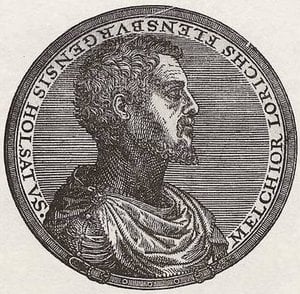
Melchior Lorck

Melchior Lorck

1527 - 1564 , Germany

Belangrijkste feiten

  • Full Name: Melchior Lorck
  • Nationality: Danish-German
  • Date Of Birth: 1527
  • Date Of Death: 1564
  • Place Of Birth: Flensburg, Germany
  • Notable Artworks:
    • Constantinople Prospect
    • The Turkish Publication
  • Artistic Movement Or Style: Renaissance
  • Artists Who Influenced This Artist:
    • Heinrich Aldegrever
    • Albrecht Dürer
  • Artists Or Movements Influenced By This Artist:
    • Wenzel Hollar
    • Cornelis de Bruijn