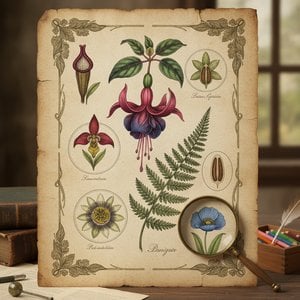
A Victorian Adventurer in Bloom
Marianne North was a spirit unbound, een vrouw die de verwachte comfort van de Victoriaanse domesticiteit verruilde voor een leven van avontuurlijke verkenning en artistieke toewijding. Geboren in 1830 in Hastings, Engeland, leek haar vroege pad bepaald te zijn voor muzikale bezigheden. Echter, een gezondheidsprobleem leidde haar passies zachtjes om naar de delicate kunst van bloemtekenen – een verschuiving die niet alleen een troost was, maar de oorsprong werd van een buitengewone bestaan dat volledig op eigen kosten werd geleid. Terwijl veel vrouwen van haar tijd waren opgesloten in salonen en maatschappelijke verwachtingen, zette North een opmerkelijk reis op waarbij ze zowel een bekende kunstenaar als een zelfgeleide botanicus werd. Haar verhaal is één van veerkracht, onafhankelijkheid en een diepe verbinding met de natuurlijke wereld – een getuigenis van een geest die niet onderdrukt werd door conventies.
From Botanical Observation to Global Expedition
De jaren na haar moeder’s overlijden in 1855 waren vormende jaren, gevuld met uitgebreide reizen door Europa naast haar vader. Deze reisjes scherpten haar waarnemingsvermogen aan en cultiveerden een scherp oog voor landschap, waardoor binnenin haar een verlangen naar meer ontstond. Na haar vader’s overlijden in 1869, besloot North zich volledig te wijden aan het schilderen van de flora van verre landen – een beslissing die een keerpunt markeerde in haar leven. Dit was niet alleen bedoeld om schoonheid vast te leggen; het was een daad van wetenschappelijke documentatie, gedreven door een verlangen om de botanische diversiteit van een wereld te registreren die snel verandert onder invloed van kolonialisme en industrialisatie. Beginnend in 1871, begon North een reeks expedities die bijna vijftien jaar duurden, waarbij ze reisde naar regio’s zo divers als Canada, Jamaica, Brazilië, Japan, Borneo, India, Australië en Nieuw-Zeeland. Ze reisde niet met wetenschappelijke teams of officiële patronage, maar financierde haar avonturen zichzelf, vertrouwend op haar familie fortuin. Haar methode was nauwkeurig: ze verdiepte zich in elk milieu, observeerde en schetsen de planten zorgvuldig voordat ze ze op het doek bracht met een opmerkelijke precisie en levendige kleur. Ze was niet alleen een bezoeker; ze werd onderdeel van de landschappen die ze weergaf, absorbeerde hun essentie en verwoordt deze door haar kunst. De schaal van haar reizen, ondernomen onafhankelijk door een vrouw in een tijd waarin vrouwen ernstige beperkingen ondervonden, is op zichzelf al een getuigenis van haar uitzonderlijke karakter.
A Unique Artistic Style & Legacy at Kew
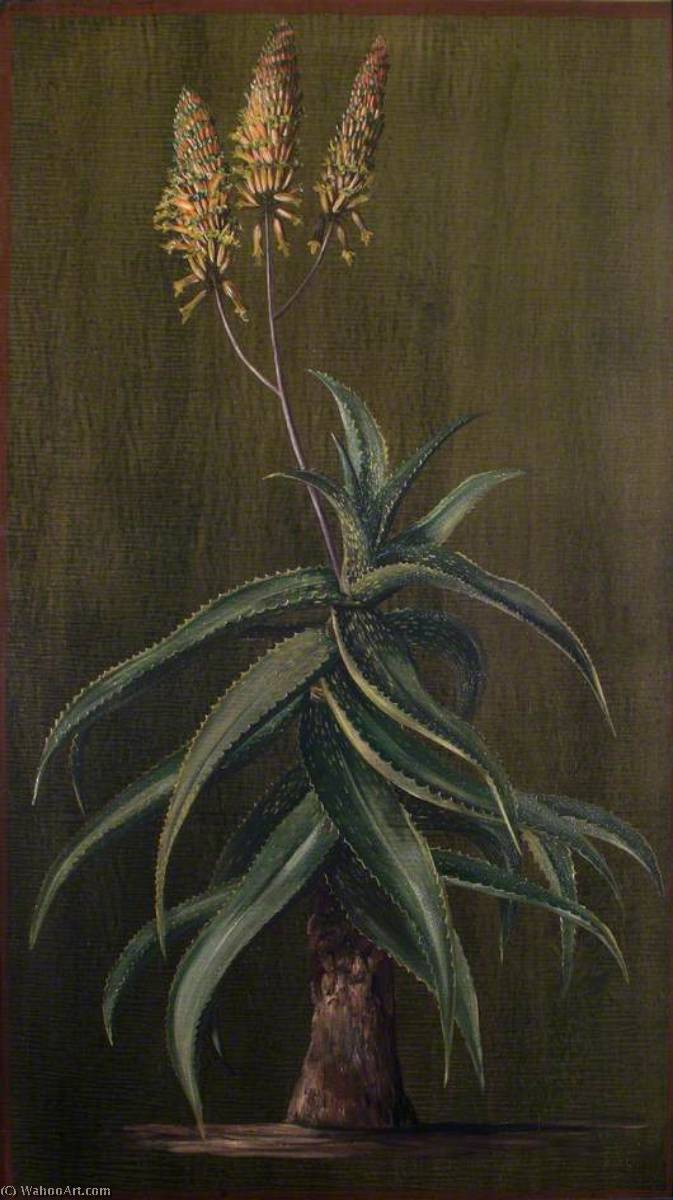
North’s artistieke stijl is direct herkenbaar aan haar realistische details en levendige palet. Ze werkte voornamelijk in olie – een ongebruikelijke keuze voor botanische illustratie op het moment – en bereikte zo diepte van kleur en textuur die haar onderwerpen tot leven brachten. Haar schilderijen zijn niet steril wetenschappelijke weergaven; ze zijn doordrenkt van een gevoel van sfeer en plaats, waardoor niet alleen de
vorm van de planten maar ook hun omgeving en het gevoel om erin te zweven worden vastgelegd. Ze was geen formeel getrainde kunstenaar in een bepaalde stroming, maar haar werk weerspiegelt elementen van Victoriaanse naturalisme en een toewijding aan nauwkeurige representatie. Misschien is haar meest blijvende nalatenschap de galerie die gewijd is aan haar werk in Kew Gardens in Londen. Erkendend het belang van haar collectie – meer dan 800 schilderijen die planten uit de hele wereld documenteren – schonk North ze vrijwillig aan de Royal Botanic Gardens in 1882, samen met fondsen voor een doorgemaakt gebouwde expositieruimte. De Marianne North Gallery, geopend datzelfde jaar, is de enige permanente solo-expositie van een vrouwelijke kunstenaar in Kew en inspireert nog steeds bezoekers. Het staat als een krachtig symbool van haar artistieke prestaties en haar toewijding om haar ontdekkingen met de wereld te delen – een levendig getuigenis van een leven dat werd geleid door een onverzettelijke passie voor kunst en kennis. Schilderijen zoals ‘Tegoro, Sarawak’ illustreren dit, waardoor kijkers worden getransporteerd naar weelderige regenwouden vol leven, terwijl werken als ‘On the Way from Tibet near Nagkunda, North India’ de dramatische grandeur van de Himalaya-landschappen vastleggen met romantische realisme.
Challenging Conventions & Enduring Influence
Marianne North was meer dan alleen een kunstenaar; ze was een pionier die maatschappelijke normen uitdaagde en de grenzen van wat voor vrouwen in de Victoriaanse tijd acceptabel was, verbreden. Haar onafhankelijke reizen, professionele carrière en toewijding aan wetenschappelijk onderzoek waren allemaal opmerkelijke prestaties voor haar tijd. Ze veroverde de aandacht door zich te weigeren tot een huwelijk en koos liever om haar eigen pad te volgen, gedreven door intellectuele nieuwsgierigheid en artistieke passie. Haar schilderijen dienen als onschatbare historische records, die plantleven vastleggen op een cruciaal moment in de geschiedenis – een periode van snelle milieuruiling en kolonialisme. Ze bieden inzichten in de botanische landschappen van de 19e eeuw en geven een visueel beeld van soorten die nu mogelijk bedreigd of uitgestorven zijn. Haar verhaal resoneren nog steeds vandaag, inspirerend kunstenaars, wetenschappers en avonturiers om hun passies met moed en overtuiging na te streven – een ware getuigenis van de kracht van een onafhankelijke geest en een levenslange liefde voor de natuurlijke wereld. Ze bewees dat een vrouw zowel een geleerde als een ontdekkingsreiziger kon zijn, een wetenschapper en kunstenaar, allemaal terwijl ze zich voortdurend afzetten tegen de verwachtingen van haar tijd. Haar werk herinnert ons nog steeds aan het belang van observatie, documentatie en het behoud van de ongelooflijke biodiversiteit van onze planeet.
Notable Works
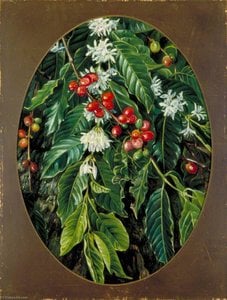
- Foliage, Flowers and Fruit of the Cashew, Tanjore, India: Een levendig portret dat de ingewikkelde details van deze tropische plant laat zien.
- Elephants, Exotic Fish, and Leaf Insect: Demonstreert North’s vermogen om niet alleen flora maar ook fauna vast te leggen in hun natuurlijke habitat.
- Tegoro, Sarawak: Een weelderig regenwoudscène die haar realistische vaardigheden en levendige schoonheid illustreert.
- On the Way from Tibet near Nagkunda, North India: Vangt de dramatische Himalaya-landschappen vast met romantisch realisme.
- Lake of Ajmere, North West India: Een olieschilderij dat Indiase bergen en een serene zonsondergang laat zien.
Deze werken, samen met honderden anderen, staan als blijvende monumenten aan haar artistieke vaardigheid en onverzettelijke toewijding – een nalatenschap die nog steeds bloeit in Kew Gardens en toekomstige generaties inspireert.


 Voorvertoning
 Schakel over naar print
 Verstuur
 Delen
Delen
 Details bekijken

 Download
 Vergelijkbare items
 Röntgenonderzoek
 Diavoorstelling
 Statistieken


 Lees meer






































 De optie voor glas is alleen beschikbaar bij een formaat kleiner dan 110 cm.