Bekijk op ware grootte Bekijk in AR Koop handgeschilderd kunstwerk Schakel over naar digitale afbeeldingen Verstuur
Details bekijken Gids voor studentenkunstwerken Toevoegen aan favorieten Download Vergelijkbare items Röntgenonderzoek Diavoorstelling Statistieken

Last Supper (copy)

Explore Leonardo da Vinci’s iconic ‘Last Supper’ copy! A masterpiece of High Renaissance art, this monumental fresco offers a captivating glimpse into faith & human emotion. Discover its history & significance.

Ontdek Leonardo da Vinci (1452-1519): het Renaissance-genie achter de Mona Lisa & Het Laatste Avondmaal! Ontdek zijn sfumato-techniek, anatomische studies & baanbrekende uitvindingen.

Giclée / Kunstafdrukken

Giclée- of canvasafdruk van museumkwaliteit met een snelle productie en flexibele afwerkingsmogelijkheden. ( Koop handgeschilderd kunstwerk Schakel over naar digitale afbeeldingen)

Corner sample of the P118B picture frame: gegoten polystyreen, 5 cm wide and 3 cm thick
P118B €10
Corner sample of the P118H picture frame: gegoten polystyreen, 5 cm wide and 3 cm thick
P118H €10
Corner sample of the P118W picture frame: gegoten polystyreen, 5 cm wide and 3 cm thick
P118W €10
Corner sample of the P438Z picture frame: gegoten polystyreen, 5.5 cm wide and 3.5 cm thick
P438Z €10
Corner sample of the P508JH picture frame: gegoten polystyreen, 7 cm wide and 3.5 cm thick
P508JH €12
Corner sample of the P508YH picture frame: gegoten polystyreen, 7 cm wide and 3.5 cm thick
P508YH €12
Corner sample of the P805H picture frame: gegoten polystyreen, 5 cm wide and 3.5 cm thick
P805H €10
Corner sample of the P805Z picture frame: gegoten polystyreen, 5 cm wide and 3.5 cm thick
P805Z €10
Corner sample of the P919BZ picture frame: gegoten polystyreen, 7 cm wide and 3.5 cm thick
P919BZ €10
Corner sample of the P919G picture frame: gegoten polystyreen, 7 cm wide and 3.5 cm thick
P919G €10
Corner sample of the P919XJ picture frame: gegoten polystyreen, 7 cm wide and 3.5 cm thick
P919XJ €10
Corner sample of the P959ZH picture frame: gegoten polystyreen, 5 cm wide and 3 cm thick
P959ZH €10
Corner sample of the P968JZ picture frame: gegoten polystyreen, 6 cm wide and 4 cm thick
P968JZ €12
Corner sample of the W106C picture frame: massief hout, 5 cm wide and 3 cm thick
W106C €8
Corner sample of the W218G picture frame: massief hout, 5 cm wide and 3 cm thick
W218G €10
Corner sample of the W218JH picture frame: massief hout, 5 cm wide and 3 cm thick
W218JH €8
Corner sample of the W218Y picture frame: massief hout, 5 cm wide and 3 cm thick
W218Y €10
Corner sample of the W307PJ picture frame: massief hout, 6 cm wide and 3 cm thick
W307PJ €10
Corner sample of the W316G picture frame: massief hout, 6 cm wide and 3 cm thick
W316G €10
Corner sample of the W316PJ picture frame: massief hout, 6 cm wide and 3 cm thick
W316PJ €8
Corner sample of the W316Y picture frame: massief hout, 6 cm wide and 3 cm thick
W316Y €10
Corner sample of the W398PJ picture frame: massief hout, 5 cm wide and 3 cm thick
W398PJ €8
Corner sample of the W4111J picture frame: massief hout, 6.5 cm wide and 3.5 cm thick
W4111J €10
Corner sample of the W500HY picture frame: massief hout, 7 cm wide and 5 cm thick
W500HY €15
Corner sample of the W500JH picture frame: massief hout, 7 cm wide and 5 cm thick
W500JH €15
Corner sample of the W692G picture frame: massief hout, 8 cm wide and 4 cm thick
W692G €12
Corner sample of the W849H picture frame: massief hout, 5 cm wide and 3 cm thick
W849H €8
Corner sample of the W940BG picture frame: massief hout, 7.5 cm wide and 4.5 cm thick
W940BG €15
Corner sample of the W953PJ picture frame: massief hout, 6 cm wide and 3.5 cm thick
W953PJ €8

Standaardformaat
op maat gemaakt
CM
INCH

Kies uit onze vooraf ingestelde maten die overeenkomen met de originele verhoudingen van het kunstwerk.

breedte
hoogte

Voer de breedte en de hoogte in die u nodig heeft, passend bij uw lijst of uw muur. Een afdruk kan alleen worden ingekort, nooit groter worden gemaakt dan het origineel, waardoor een formaat met een andere verhouding een deel van de afbeelding verliest. Wij sturen u een digitaal mockup ter goedkeuring voordat we iets drukken. De afbeelding op deze pagina toont niet de werkelijke uitsnede — dit is alleen te zien op het mockup.

Wereldwijde levering () binnen 2 weken in plaats van de standaard 4/5 weken. (23 oktober)

Gratis wereldwijde expressverzending
Hoogwaardig linnen canvas
Volledige verzendverzekering
Garantie op terugbetaling van invoerrechten
Garantie op exacte kleurweergave
Retourbeleid van 100 dagen (alleen bij defecten)
100% Geld-terug-garantie
Korting bij meerdere afnames

Totaalprijs

€ 61

Last Supper (copy)

Giclée / Kunstafdrukken

Formaat reproductie

-

Totaalprijs

€ 61

Belangrijkste kenmerken

  • title: Last Supper (copy)
  • dimensions: 418 x 794 cm
  • movement: High Renaissance
  • style: High Renaissance
  • artist: Leonardo da Vinci

Kunstquiz

Er is slechts één goed antwoord op elke vraag.

Vraag 1:
Leonardo da Vinci's 'The Last Supper' depicts what specific event?
Vraag 2:
What was notably innovative about the materials Leonardo da Vinci used for 'The Last Supper'?
Vraag 3:
The composition of 'The Last Supper' is designed to draw the viewer’s eye towards which central figure?
Vraag 4:
What artistic movement is 'The Last Supper' considered pivotal in marking?
Vraag 5:
Due to the experimental techniques used, what has been a significant challenge regarding 'The Last Supper'?

A Timeless Vision of Faith and Betrayal

This artwork is a meticulously crafted copy of Leonardo da Vinci’s *The Last Supper*, one of the most iconic and profoundly influential paintings in Western art history. It captures the dramatic moment when Jesus announces to his twelve apostles that one among them will betray him, unleashing a torrent of emotion and foreshadowing the events leading to the crucifixion. This reproduction offers an opportunity to own a piece inspired by a masterpiece, bringing its power and beauty into your home or collection.

Decoding the Composition & Style

The painting adheres closely to da Vinci’s original composition: Jesus is positioned at the center of a long, rectangular table, radiating calm amidst the burgeoning chaos around him. The apostles are grouped in dynamic clusters of three, each reacting with distinct expressions of shock, disbelief, anger, and confusion. Da Vinci's mastery of Renaissance perspective draws the viewer’s eye inexorably towards Christ, creating a sense of depth and realism. The style is quintessential High Renaissance – characterized by anatomical accuracy, balanced composition, and an intense focus on human psychology.

Technique & Materials

While the original *Last Supper* was executed using an experimental technique involving tempera on gesso, pitch, and mastic (leading to its unfortunate deterioration), this copy likely employs more traditional oil-on-canvas methods ensuring longevity and vibrant color retention. The artist has skillfully replicated da Vinci’s use of *sfumato*, a subtle blending of tones that creates soft transitions and an ethereal quality. The attention to detail in rendering the fabrics, faces, and architectural elements is remarkable.

Historical Context & Creation

Commissioned by Ludovico Sforza, Duke of Milan, between 1495 and 1498, da Vinci’s *Last Supper* was intended to adorn the refectory of the Santa Maria delle Grazie monastery. It marked a pivotal moment in art history, transitioning away from earlier medieval styles towards a more humanistic and realistic representation of religious narratives. Copies like this one became crucial for preserving the image as the original deteriorated over centuries due to environmental factors and experimental techniques. The Da Vinci Museum in Tongerlo, Belgium, houses several such copies, playing a vital role in maintaining access to this cultural treasure.

Symbolism & Emotional Resonance

Every element within *The Last Supper* is laden with symbolism. Jesus’ central position represents his divine authority and impending sacrifice. The bread and wine symbolize the Eucharist – the body and blood of Christ. Judas, often depicted clutching a bag of silver (the price of betrayal), is subtly positioned amongst the apostles, his face shadowed in darkness. Beyond the religious narrative, the painting explores universal themes of loyalty, betrayal, faith, doubt, and human fallibility. The emotional intensity captured by da Vinci – from Peter’s righteous indignation to John’s sorrowful contemplation – continues to resonate with viewers centuries later.

A Statement Piece for Discerning Tastes

  • For Art Lovers: A beautiful homage to a Renaissance masterpiece, offering an opportunity to appreciate da Vinci's genius in your own space.
  • For Collectors: A valuable addition to any collection of fine art reproductions, showcasing historical significance and artistic skill.
  • For Interior Designers: A striking focal point for dining rooms, libraries, or studies. Its classic composition and muted color palette complement a variety of interior styles – from traditional to contemporary. Imagine this piece as the centerpiece of an elegant dining room, sparking conversation and inspiring contemplation.
This copy of *The Last Supper* is more than just a painting; it’s a window into history, a testament to artistic brilliance, and a powerful expression of human emotion.

Vragen & Antwoorden

Zijn de kleuren van "Last Supper (copy)" door Leonardo Da Vinci verzadigd of gedempt?

Het kleurenpalet van "Last Supper (copy)" heeft een verzadiging van Subtle Color.

Wie heeft "Last Supper (copy)" gemaakt?

"Last Supper (copy)" is gemaakt door Leonardo Da Vinci. De informatie op deze pagina beschrijft het originele werk van Leonardo Da Vinci.

Waar kan ik een gids vinden voor "Last Supper (copy)"?

De Gids-pagina van "Last Supper (copy)" door Leonardo Da Vinci biedt een printbaar factsheet van twee pagina's: het kunstwerk met de bijbehorende identificatietabel, een tijdlijn die het werk plaatst binnen de levensloop van de kunstenaar, andere werken van de kunstenaar, het gemeten kleurenpalet en kant-en-klare citaten in vier verschillende stijlen.


Biografie van de kunstenaar

Het leven en de nalatenschap van Leonardo da Vinci.

Leonardo di ser Piero da Vinci, geboren in 1452 nabij het Toscaanse dorpje Vinci, blijft ongetwijfeld de meest universeel erkende figuur uit de Renaissance—een ware polymath wiens onverzadigbare nieuwsgierigheid hem over vele disciplines dreef en een onuitwisbare stempel drukte op kunst, wetenschap en techniek. Zijn naam is synoniem geworden met genialiteit, een bewijs van zijn buitengewone breedte aan talent en visionair denkvermogen. Geboren buiten het huwelijk uit Piero da Vinci, een notaris, en Caterina, een boerin, was Leonardo’s vroege leven onconventioneel, maar bood hem tegelijkertijd toegang tot zowel de praktische wereld als een waardering voor de natuur die zijn artistieke visie diepgaand zou vormen. Hij ontving een basisopleiding in lezen, schrijven en rekenen, maar het was zijn leerperiode onder Andrea del Verrocchio in Florence die zijn creatieve vonk echt aanwakkerde. Binnen de werkplaats van Verrocchio leerde Leonardo niet enkel schilderen of beeldhouwen; hij werd ondergedompeld in een wereld van technische vaardigheid, waarbij hij meesterschap verwierf in metaalbewerking, houtbewerking, tekenkunst en de complexiteit van artistieke creatie—een fundament waarop hij zijn veelzijdige genie zou bouwen. Zelfs tijdens deze vormende periode gingen er geruchten rond over zijn uitzonderlijke talent, met verhalen die suggereerden dat Verrocchio zelf het schilderen neerlegde nadat hij getuige was geweest van Leonardo’s superieure bekwaamheid.

Milanese innovaties en artistieke bloei

In 1482 begon Leonardo aan een nieuw hoofdstuk toen hij in dienst trad bij Ludovico Sforza, de hertog van Milaan. Dit was niet louter een artistieke aanstelling; Leonardo fungeerde als militair ingenieur, architect, beeldhouwer en ontwerper voor het hof—een getuigenis van zijn diverse vaardigheden. Hij bedacht innovatieve fortificaties, ontwierp uitgebreide toneeldecors en schetste zelfs plannen voor fantastische machines. Het was echter tijdens deze periode dat hij begon aan een van zijn meest iconische meesterwerken: Het Laatste Avondmaal. Geschilderd als fresco in het refectorium van het klooster Santa Maria delle Grazie, overstijgt dit werk loutere representatie; het is een diepgaande verkenning van menselijke emotie en psychologisch drama, waarbij het exacte moment waarop Christus zijn verraad aankondigt, wordt vastgelegd. De compositie, innovatief voor zijn tijd, en het meesterlijke gebruik van perspectief zouden de westerse kunst eeuwenlang diepgaand beïnvloeden. Hoewel veel beeldhouwprojecten tijdens zijn Milanese periode onvoltooid bleven, bleef Leonardo's inventieve geest floreren, wat de basis legde voor toekomstige wetenschappelijke ontdekkingen.

De terugkeer naar Florence en het streven naar perfectie

Na de Franse invasie van Milaan in 1499 keerde Leonardo terug naar Florence, een stad die een hoogtepunt in artistieke ontwikkeling beleefde. Hoewel hij in deze tijd minder voltooide werken produceerde, was hun impact immens. Het was hier dat hij begon aan wat ongetwijfeld het beroemdste schilderij ter wereld zou worden: de Mona Lisa (La Gioconda). De raadselachtige glimlach en de hypnotiserende blik van het onderwerp hebben toeschouwers generaties lang gefascineerd, terwijl Leonardo’s revolutionaire sfumato-techniek—het subtiele verloop van licht en schaduw om vage contouren en atmosferisch perspectief te creëren—aanzienlijk bijdroeg aan de etherische kwaliteit van het schilderij. Deze periode zag ook de voortdurende verfijning van zijn anatomische studies, gedreven door een onwankelbaar verlangen om het menselijk lichaam met wetenschappelijke precisie te begrijrei. Hij ontleedde lijken en documenteerde nauwgezet spieren, botten en organen in een reeks ongelooflijk gedetailleerde tekeningen die eeuwen voor hun tijd waren.

Een nalatenschap voorbij de kunst: wetenschap, uitvinding en blijvende invloed

De latere jaren van Leonardo werden gekenmerkt door reizen tussen Florence, Milaan en Rome, waarbij hij altijd werd gezocht vanwege zijn expertise, maar vaak projecten onvoltooid achterliet—misschien een weerspiegeling van zijn rusteloze intellect en de enorme omvang van zijn interesses. In 1516 aanvaardde hij een uitnodiging van koning Frans I om te leven en werken in het Château du Clos Lucé nabij Amboise in Frankrijk, waar hij zijn laatste jaren doorbracht. Hij stierf daar in 1519 en liet een enorme nalatenschap na die veel verder reikt dan de wereld van de kunst. Zijn notitieboeken onthullen baanbrekend werk op het gebied van anatomie, optica, hydraulica, geologie en cartografie—en bevatten concepten voor uitvindingen die eeuwen voor hun tijd lagen, waaronder vliegmachines, tanks en geavanceerde wapens. De impact van Leonardo da Vinci op de kunstgeschiedenis is onmeetbaar. Hij verhief de status van kunstenaars van bekwame ambachtslieden naar intellectuele figuren, door aan te tonen dat artistieke creatie gevoed kon worden door wetenschappelijk onderzoek en een diep begrip van de natuurlijke wereld. Zijn schilderijen worden gevierd om hun realisme, psychologische diepgang en innovatieve technieken. Hij blijft een symbool van menselijke nieuwsgierigheid, creativiteit en het onvermoeibare streven naar kennis—een ware belichaming van de geest van de Renaissance, wiens nalatenschap eeuwen na zijn dood nog steeds ontzag en fascinatie oproept.

Belangrijkste prestaties & blijvende impact

  • Schilderkunst: Mona Lisa, Het Laatste Avondmaal, Madonna van de Rotsen, Annunciatie
  • Tekenen & Schetsen: Uitgebreide anatomische studies, Ingenieursontwerpen (vliegmachines, wapens), Botanische illustraties
  • Wetenschap & Techniek: Baanbrekend werk in anatomie, optica, hydraulica, geologie en cartografie. Concepten voor uitvindingen die eeuwen voor hun tijd lagen.
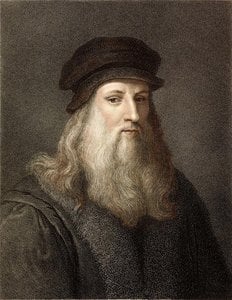
Leonardo Da Vinci

Leonardo Da Vinci

1452 - 1519 , Italië

Snelle feiten

  • Artistic Movement Or Style: Hoge Renaissance
  • Artists Or Movements Influenced By This Artist: ['Renaissance kunst']
  • Artists Who Influenced This Artist: ['Andrea del Verrocchio']
  • Date Of Birth: 15 april 1452
  • Date Of Death: 2 mei 1519
  • Full Name: Leonardo da Vinci
  • Nationality: Italiaans
  • Notable Artworks (List Of Titles):
    • Mona Lisa
    • Het Laatste Avondmaal
  • Place Of Birth (City And Country): Vinci, Italië
Ontdek kunstwerken georganiseerd op thema, stijl en kenmerk.