


 GraphiteClassical Realism
 191219th Century
 40.0 x 50.0 cm
 Oklahoma City Museum of Art
Met de hand geschilderd in olieverf op canvas in uw gewenste maat en lijst, op bestelling gemaakt door onze kunstenaars. ( Bestel print Koop afbeelding)
Kies uit onze vooraf ingestelde maten die overeenkomen met de originele verhoudingen van het kunstwerk.

U kunt uw eigen afmetingen invoeren om in een specifieke lijst of ruimte te passen. Als de door u gekozen maat niet overeenkomt met de verhoudingen van het originele beeld, zullen we het kunstwerk bijsnijden of het schilderij uitbreiden met extra handgeschilderde elementen. Een digitale mockup wordt ter goedkeuring naar u verzonden voordat de productie begint.
Houd er rekening mee dat de preview op het scherm niet de werkelijke uitsnede of uitbreiding weergeeft. Alleen de mockup toont de uiteindelijke compositie nauwkeurig.
Hoewel aangepaste afmetingen mogelijk zijn, raden we aan een maat uit de vooraf gedefinieerde lijst te selecteren om de originele verhoudingen te behouden.
Wereldwijde levering () binnen 3 tot 4 weken in plaats van de standaard 5 weken. (6 september). Zonder concessies aan de kwaliteit.


Study for Mosaic, Wisconsin State Capitol,
Afmetingen reproductie
In the quiet, focused strokes of Kenyon Cox’s 1912 graphite study, we find a profound glimpse into the meticulous process behind monumental public art. This delicate work, created as a preparatory sketch for the mosaic in the Wisconsin State Capitol, transcends its role as a mere draft. It captures a moment of divine stillness, presenting a winged figure seated in contemplative repose. Through the masterful use of monochrome tones, Cox invites the viewer into a realm where the boundaries between the earthly and the celestial blur, offering a sense of peace that is both haunting and deeply restorative.
The composition centers on a figure of classical grace, draped in a way that suggests both weight and lightness. As the eyes trace the intricate textures of the wings and the soft folds of the garments, one can feel the artist's intense focus on anatomical precision and light. The subject, cradling a book, evokes themes of wisdom, recorded history, and the sanctity of knowledge. This is not merely a sketch of an angel; it is an exploration of how light interacts with form, a foundational step toward the vibrant, permanent tesserae that would eventually adorn the halls of American civic architecture.
Technically, this piece serves as a masterclass in classical realism. Using graphite, Cox achieved a range of values that mimics the depth of much heavier mediums. The subtle gradations of shadow beneath the figure and the sharp, decisive lines defining the chair and book demonstrate a command over the medium that is rare even in finished oil paintings. For the collector or interior designer, this work offers a sophisticated aesthetic; its monochromatic palette provides a timeless elegance that integrates seamlessly into modern, minimalist, or traditional classical interiors.
The historical context of the piece adds a layer of intellectual prestige to its visual beauty. Created during a period when American art was deeply influenced by the European Beaux-Arts tradition, Cox’s work embodies the dignity and structural integrity sought after in public monuments of the early 20th century. To possess a reproduction of this study is to hold a fragment of history—a piece of the rigorous academic training that once defined the pinnacle of fine art. It serves as an evocative focal point for any space, inspiring a sense of scholarly reflection and architectural grandeur.


1856 - 1919

Explore the profound artistry of graphite drawing. Discover professional techniques for mastering depth, texture, and detail through a lens of art history, from classical sketches to modern masterpieces. Elevate your understanding of the pencil medium with our expert guide.

Explore the profound beauty of the sketch. Discover how masters use charcoal and graphite to capture raw emotion, anatomical precision, and fluid movement, bridging the gap between ephemeral marks and eternal oil masterpieces.
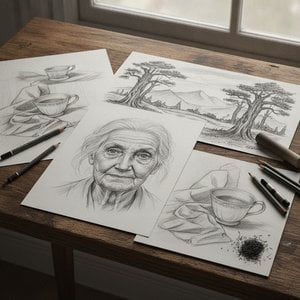
Explore the profound elegance of pencil and charcoal sketching. Discover how masters use line, shadow, and chiaroscuro to capture light and texture, bridging the gap between preparatory studies and timeless fine art masterpieces.
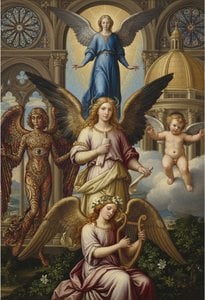
Explore the profound beauty of angelic figures in art history. From Renaissance masterpieces to celestial symbolism, our expert guide offers a sophisticated journey through the divine imagery of the Old Masters for discerning collectors and art enthusiasts.

 Voorvertoning
 Verstuur
 Delen
Delen
 Details bekijken

 Download
 Vergelijkbare items
 Röntgenonderzoek
 Diavoorstelling
 Lees meer




































 De optie voor glas is alleen beschikbaar bij een formaat kleiner dan 110 cm.


