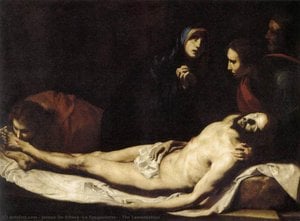
Ontvang een bestand dat klaar is voor drukwerk en de kwaliteit van het online voorbeeld ver overstijgt. Elke digitale afbeelding die wij verkopen, is afkomstig van een high-resolution master uit onze database — meestal tussen de 5.000 en 15.000 pixels breed — zodat u met vertrouwen groot kunt afdrukken, nauwkeurig kunt bijsnijden of fijne details kunt reproduceren.
Geen enkel bestand verlaat ons atelier onbewerkt. Een digitaal expert controleert de kleuren aan de hand van het originele schilderij en corrigeert deze indien nodig, om vervolgens de helderheid en details te verbeteren met professionele retoucheertechnieken — waarbij de penseelstreek en stijl van de kunstenaar altijd strikt worden gerespecteerd. Het resultaat is een afbeelding die oogt als het schilderij zelf, en niet als een gescande foto met een filter.
U keurt de afbeelding goed voordat de bestelling wordt afgerond: onze expert stuurt u binnen 72 uur een e-mail ter beoordeling. Niet tevreden? Vraag om aanpassingen of correcties, of vraag een terugbetaling aan als de kwaliteit niet aan de verwachtingen voldoet.
Dit is de kwaliteit waarop uitgevers, designstudio's, galeries en drukkerijen vertrouwen.
Download een bestand met hoge resolutie voor persoonlijke weergave, afdrukken en creatieve projecten. ( Schakel over naar print Bestel handgeschilderde reproductie)
Wanneer u kiest voor WahooArt.com, ontvangt u niet alleen een afbeelding – u krijgt een professioneel verbeterd digitaal kunstwerk, met precisie vervaardigd en voorzien van een tevredenheidsgarantie. Dit is alles wat automatisch bij uw bestelling is inbegrepen:
Uw hoogwaardige digitale afbeeldingsbestand wordt binnen 72 uur na bestelling naar u gemaild – klaar voor direct gebruik.
Uw kunstwerk wordt professioneel geoptimaliseerd met behulp van geavanceerde AI-tools en handmatige bewerkingen, waardoor maximale details, helderheid en kleurnauwkeurigheid worden gegarandeerd.
Je bestand per ongeluk verwijderd of kwijtgeraakt? Geen zorgen – we sturen het u op elk gewenst moment gratis opnieuw toe.
Geniet direct van uw kunstwerk zonder invoerrechten, belastingen of verzendkosten – digitale downloads zijn altijd belastingvrij.
Met behulp van professionele hulpmiddelen en kleurbeheer zorgen wij ervoor dat uw digitale afbeelding de originele kleuren zo nauwkeurig mogelijk weergeeft.
Mocht u niet tevreden zijn met uw digitale afbeelding, dan passen wij deze aan of storten wij 100% terug binnen 100 dagen – zonder vragen te stellen.
Niet tevreden? Ontvang een volledige terugbetaling binnen 100 dagen na ontvangst van uw digitale bestand – zonder vragen te stellen.
Koop 3 afbeeldingen, bespaar 10% - Koop 5, bespaar 15% - Koop 10+, bespaar 20%. Ideaal voor creatieve projecten, galerieën en bureaus.
Jusepe de Ribera's 1626 painting, *Drunken Silenus*, isn’t merely a depiction of a drunken reveler; it’s a visceral plunge into the heart of the Baroque era – a world saturated with drama, religious fervor, and a profound fascination with human vulnerability. Housed within the Museo di Capodimonte in Naples, this monumental canvas immediately commands attention with its stark contrasts of light and shadow, a signature technique known as tenebrism that Ribera honed to breathtaking effect. The scene unfolds against a dark, almost claustrophobic background, drawing the viewer’s eye relentlessly towards Silenus himself – a figure sprawled upon a simple cloth, his body rendered with an unflinching realism that borders on brutality. He's not idealized; he’s a man consumed by intoxication, his features distorted by wine-induced delirium, yet there’s a strange magnetism in his slumped posture and vacant gaze.
Ribera masterfully employs color to heighten the drama. Deep reds and browns dominate the palette, punctuated by flashes of gold and silver – the glint of the cup offered by a satyr, the shimmering wreath crowning Silenus’s head. This interplay of light and dark isn't simply aesthetic; it serves to emphasize the figure’s vulnerability and isolation within the chaotic energy of the surrounding group. The composition itself is deliberately unbalanced, mirroring the disequilibrium of Silenus’s state. The figures around him – a panoply of satyrs, maenads, and drunken revelers – are rendered with equally intense detail, each contributing to the painting's overall sense of unrestrained abandon.
Silenus himself is a figure steeped in Greek mythology. He’s not simply a drunkard; he’s Dionysus’s tutor, a companion who embodies the god’s wildness, his connection to nature, and his association with intoxication and ecstasy. Ribera cleverly adapts this mythological archetype for a Baroque audience, imbuing it with layers of symbolic meaning. The snake coiled at the bottom right, a recurring motif in Ribera's work, represents wisdom – a paradoxical element within the context of drunken revelry. The turtle to the right symbolizes laziness and sloth, further reinforcing the painting’s exploration of human weakness and indulgence.
Pan, the god of shepherds and wild nature, is depicted crowning Silenus with vines, a gesture that simultaneously celebrates his status as a divine figure and subtly mocks his drunken state. The shell he holds – a symbol announcing his death – adds another layer of morbid humor to the scene. The inclusion of these classical symbols within a secular setting speaks to the Baroque era’s fascination with blending religious and mythological themes, creating works that were both deeply spiritual and intensely worldly.
Ribera's mastery of technique is evident in every brushstroke. He employs a highly detailed, almost photographic realism, meticulously rendering the textures of skin, fabric, and foliage. However, it’s his use of tenebrism – the dramatic contrast between light and dark – that truly elevates *Drunken Silenus* to a masterpiece. Ribera doesn't simply paint; he sculpts with light, creating an illusion of depth and volume that draws the viewer into the scene. The strong chiaroscuro not only emphasizes the figures but also evokes a sense of drama and urgency.
The etching version of this painting, now held in the British Museum, demonstrates Ribera’s ability to translate his dramatic style to printmaking. The stark contrasts of light and shadow are even more pronounced in the etching, creating a powerful and immediate impact. The simplified forms and heightened detail further emphasize the emotional intensity of the scene.
Created in Naples during the Spanish rule of the city, *Drunken Silenus* is more than just a mythological painting; it’s a reflection of the social and cultural landscape of 17th-century Italy. Ribera's work often explored themes of poverty, suffering, and mortality – subjects that resonated deeply with the realities of life in Naples. The inscription on the painting itself—"Hic est Silenus, qui in Nipo diebat"—("Here is Silenus who lived in Naples")—is a deliberate act of claiming artistic ownership over the city, solidifying his position as one of its most significant cultural figures. *Drunken Silenus* remains a powerful testament to Ribera’s genius and a captivating window into the dramatic world of the Baroque.
Het populariteitsniveau van "Drunken Silenus" door Jusepe de Ribera is Iconic.
De kleuren van "Drunken Silenus" vormen een Earthy palet. Deze classificatie beschrijft de dominante kleurfamilies.
De kleur die het meest opvalt in "Drunken Silenus" is Phthalo Green (#1f1a14). De dominante kleur is handig bij het afstemmen van een kunstwerk op een interieur.


1591 - 1652 , Spanje
 Voorvertoning
 Verstuur
 Delen
Delen
 Details bekijken
 Gids
Gids

 Download
 Vergelijkbare items
 Röntgenonderzoek
 Diavoorstelling
 Vraag & antwoord
 Statistieken


 Lees meer