A Pioneer Bridging Worlds: The Life and Art of John Singleton Copley
John Singleton Copley, geboren in Boston in 1738, bevindt zich op een unieke en cruciale positie in de geschiedenis van de Amerikaanse kunst. Hij was niet zomaar een schilder; hij was een culturele brug, die tijdens een periode van immense politieke en sociale omwentelingen een distinct Anglo-Amerikaanse esthetiek vormde. Zijn verhaal is één van zelfgeleide briljantie, onvermoeibare ambitie en een buitengewone vaardigheid om niet alleen lijken te vastleggen, maar ook de essentie van zijn onderwerpen in de context van hun tijd te vangen. Copleys jeugd was doordrenkt met het bruisende maritieme leven van koloniale Boston, een stad vol kooplieden, scheepsbouwers en groeiende welvaart. Zijn vader, Richard Copley, afwezig kort na John’s geboorte, was een tabaks handelaar, terwijl zijn moeder, Mary Singleton Copley, een winkel runde aan Long Wharf. Deze omgeving instilled in young John an acute awareness of the material world – the textures of fabrics, the gleam of silver, the subtle nuances of social standing – all elements that would later define his artistic style. Zijn stiefvader, Peter Pelham, een graveur en limner (een kunstenaar die portretten maakte op vellum of perkament), bood enige initiële begeleiding, maar Copley’s talent was grotendeels zelfontwikkeld door zorgvuldige studie en oefening. Hij devoreerde alle beschikbare gravures, ze met uiterste precisie kopiërend om techniek te beheersen, en overtrof snel de vaardigheden van zijn stiefvader.
The Rise of a Colonial Portraitist
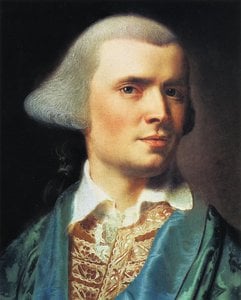
Vanaf de jaren 1760 had Copley zich gevestigd als Boston’s toonaangevende portretschilder, die voor de elite van de stad werkte. Zijn succes was niet alleen te danken aan technische bekwaamheid; het was zijn vermogen om zijn portretten met een psychologische diepte in te prenten die zelden voorkwam in koloniale Amerikaanse kunst. Hij ging verder dan eenvoudige representatie, strevend naar het vastleggen van de karakter en sociale status van zijn onderwerpen. Dit vereiste minutieuze aandacht voor detail – het nauwkeurig weergeven van stoffen, sieraden en meubels – maar ook een scherp inzicht in houding, expressie en gebaar. Copleys portretten waren niet alleen beelden; ze waren verklaringen over rijkdom, macht en sociale aspiratie. Hij integreerde subtiel symbolische objecten in zijn composities, die op elegante wijze verwijzen naar de beroepen of interesses van zijn onderwerpen. Een koopman werd bijvoorbeeld afgebeeld met geïmporteerde goederen op de achtergrond, een advocaat met juridische teksten, of een admiraal met zeilen en navigatieinstrumenten. Deze aandacht voor detail en symboliek verhoogde zijn werk boven eenvoudige portrettuur, waardoor het een vorm van sociale commentaar werd. Zijn portretten van prominente figuren zoals *Mrs. Ezekiel Gondthwait (Elizabeth Lewis)* illustreren deze benadering – de elegante houding, luxueuze stoffen en subtiele details weerspiegelen alle een gevoel van verfijning en status.
Ambition and the Call of Europe
Ondanks zijn succes in Boston koesterde Copley ambities die verder gingen dan de koloniale kunstwereld. Hij verlangde naar erkenning van de gevestigde artistieke kringen van Londen en Rome, en wilde zijn vaardigheden testen tegen de meesters van het Europese schilderkunst. In 1766 stuurde hij zijn *Boy with a Flying Squirrel* naar de Society of Artists in Londen, waar het werd ontvangen met aanzienlijke lof van Joshua Reynolds en Benjamin West – twee toonaangevende figuren in de Britse kunstwereld. Deze aanmoediging voedde Copley’s verlangen naar verdere training en blootstelling. Echter, familieverplichtingen en een bloeiend praktijk hielden hem voor nog een decennium verankerd in Boston. Ten slotte, in 1774, met zijn vrouw Susanna Farnsworth Clarke en hun kinderen, vertrok hij op reis naar Europa, met de bedoeling om de oude meesters te bestuderen en zich te vestigen als historische schilder. Het uitbreken van de Amerikaanse Revolutie kort daarna bemoeilijkte zaken, waardoor Copley zich moest navragen in een politiek gespannen omgeving terwijl hij zijn artistieke doelen nastreefde.
Historical Narratives and Lasting Legacy
In Londen vond hij zowel kansen als uitdagingen. Hij bleef portretten schilderen, waarbij hij commissies ontving van prominente Britse figuren, maar richtte zich ook op historische schilderijen – een genre dat op het moment meer prestige geniet dan portretuur. Zijn meest ambitieuze werk in dit genre was *The Death of Major Peirson*, waarin een scène uit de Slag bij Jersey tijdens de Amerikaanse Revolutie werd vastgelegd. Hoewel technisch indrukwekkend, ontving het gemengde kritieken, met sommigen die betwijfelden over zijn compositie en dramatische impact. Copley’s latere historische schilderijen, zoals *The Colapse of the Earl of Chatham in the House of Lords*, waren succesvoller, en toonden zijn vermogen om complexe emoties en dramatische momenten vast te leggen. Hoewel hij nooit de erkenning bereikte die hij in Europa nastreefde, heeft John Singleton Copley een onuitwisbare stempel gedrukt op zowel de Amerikaanse als de Britse kunstgeschiedenis. Hij legde de basis voor een uniek Anglo-Amerikaanse stijl, door Europese technieken te combineren met een distinct Anglo-Amerikaans gevoel. Zijn portretten zijn van onschatbare waarde als historische documenten, die inzicht geven in het leven en de waarden van een vervlogen tijdperk. *Hij wordt niet alleen geroemd om zijn artistieke vaardigheid, maar ook voor zijn rol bij het vormgeven van een nationale identiteit door zijn kunst.* Hij stierf in Londen in 1815, waarbij hij een nalatenschap achterliet die tot op de dag van vandaag inspireert en aanspoort.
Influences and Artistic Development
- Early Influences: Copley’s vroege artistieke ontwikkeling werd sterk beïnvloed door de gravures die hij met uiterste precisie kopieerde, met name die van Europese meesters zoals Rembrandt van Rijn en Antoine Watteau.
- Peter Pelham's Guidance: Zijn stiefvader, Peter Pelham, bood initiële begeleiding in portretschilderkunst en graveertechnieken, waardoor de basis werd gelegd voor zijn toekomstige succes.
- Joshua Reynolds & Benjamin West: De aanmoediging en feedback van deze toonaangevende Britse kunstenaars tijdens Copley’s vroege inzendingen naar Londense tentoonstellingen waren cruciaal in het vormgeven van zijn ambities en artistieke richting.
- Rococo Style: Copley begon aanvankelijk met de Rococo stijl, wat zichtbaar is in zijn gebruik van delicate kleuren, elegante poses en opvallende details. Echter, hij verplaatste zich geleidelijk naar een realistischer en ingetogen benadering.
- Historical Painting Inspiration: Zijn blootstelling aan historische schilderijen door Benjamin West inspireerde hem om dit genre te verkennen, hoewel hij moeite had om het volledig met zijn natuurlijke talent voor portretschilderkunst te verenigen.



 Voorvertoning
 Bestel handgeschilderde reproductie
 Verstuur
 Delen
Delen
 Details bekijken

 Download
 Vergelijkbare items
 Röntgenonderzoek
 Diavoorstelling
 Statistieken


 Lees meer






































 De optie voor glas is alleen beschikbaar bij een formaat kleiner dan 110 cm.