GRATIS KUNSTADVIES

x
Bestel schilderij Bestel schilderijKoop afbeelding in hoge resolutie Koop afbeelding in hoge resolutie VerstuurVerstuur
DetailsDetails Toevoegen aan favorieten Toevoegen aan favorieten DownloadDownload Vergelijkbare werkenVergelijkbare werken X-RayX-Ray DiavoorstellingDiavoorstelling

Isaac Smith

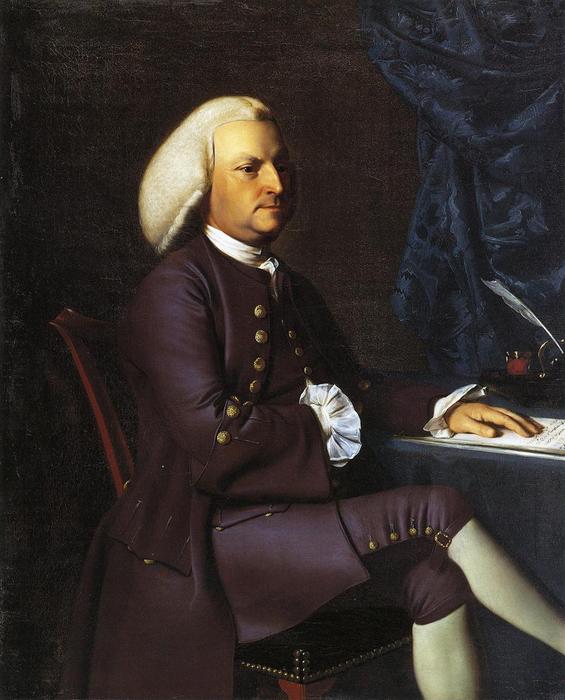
Admire John Singleton Copley’s ‘Isaac Smith’ (1769), a stunning portrait capturing colonial American elegance & detail. Explore this masterpiece at the Yale University Art Gallery.

John Singleton Copley (1738-1815): De baanbrekende Amerikaanse schilder, bekend om zijn gedetailleerde koloniale portretten en innovatieve historische scènes. Ontdek zijn meesterwerken!

Giclée / Kunstafdruk

Giclée- of canvasafdruk van museumkwaliteit met snelle productie en flexibele afwerkingsopties.

P118B $10
P118H $10
P118W $10
P438Z $10
P508JH $12
P508YH $12
P805H $10
P805Z $10
P919BZ $10
P919G $10
P919XJ $10
P959ZH $10
P968JZ $12
W106C $8
W218G $10
W218JH $8
W218Y $10
W307PJ $10
W316G $10
W316PJ $8
W316Y $10
W398PJ $8
W4111J $10
W500HY $15
W500JH $15
W692G $12
W849H $8
W940BG $15
W953PJ $8

Standard
custom
CM
INCH

Kies uit onze vooraf ingestelde maten die overeenkomen met de originele verhoudingen van het kunstwerk.

breedte
hoogte

U kunt uw eigen afmetingen opgeven om in een specifieke lijst of ruimte te passen. Als de door u gekozen maat niet overeenkomt met de proporties van het originele kunstwerk, zullen wij de afbeelding bijsnijden of uitbreiden met een gespiegelde of effen rand. Een digitaal mockup wordt ter goedkeuring naar u verzonden voordat de productie begint.
Houd er rekening mee dat de preview op het scherm de werkelijke bijsneding of uitbreiding niet weergeeft. Alleen de mockup toont de uiteindelijke compositie nauwkeurig.
Hoewel aangepaste maten beschikbaar zijn, raden wij aan een afmeting uit de vooraf bepaalde lijst te kiezen om de originele proporties te behouden.

Wereldwijde levering () binnen 2 weken in plaats van de standaard 4/5 weken. (2 juli)

why_choose_icon
Gratis wereldwijde expressverzending
why_choose_icon
Hoogwaardig linnen canvas
why_choose_icon
Volledige verzendverzekering
why_choose_icon
Garantie op terugbetaling van invoerrechten
why_choose_icon
Garantie op exacte kleurweergave
why_choose_icon
60 dagen retourbeleid (alleen bij defecten)
why_choose_icon
100% Geld-terug-garantie
why_choose_icon
Korting bij meerdere afnames

Totaalprijs

-

reproduction

Isaac Smith

Giclée / Kunstafdruk

Afmetingen reproductie

-

Eindtotaal

-

Snelle feiten

  • Medium: Oil on canvas
  • Subject or theme: Portrait of a gentleman
  • Dimensions: 101 x 127 cm
  • Movement: Neoclassicism
  • Title: Isaac Smith
  • Year: 1769
  • Artist: John Singleton Copley

Kunstquiz

Er is slechts één correct antwoord op elke vraag.

Vraag 1:
What artistic movement is Isaac Smith (1769) by John Singleton Copley primarily associated with?
Vraag 2:
In the painting 'Isaac Smith', what is the primary material used by John Singleton Copley?
Vraag 3:
What does the attire of Isaac Smith in 'Isaac Smith' suggest about his social status?
Vraag 4:
Which of the following best describes John Singleton Copley's style?
Vraag 5:
The Yale University Art Gallery houses the painting 'Isaac Smith'. In what city is the gallery located?

Beschrijving verzamelobject

The Eloquence of Portraiture: Isaac Smith by John Singleton Copley

John Singleton Copley’s “Isaac Smith,” painted in 1769, isn't merely a likeness; it’s a carefully constructed window into the burgeoning world of colonial Boston and the aspirations of its wealthy elite. This portrait, now residing within the hallowed halls of the Yale University Art Gallery, exemplifies Copley’s mastery of capturing not just physical appearance but also the subtle nuances of character and social standing – a hallmark of his most celebrated works. The painting immediately draws the eye to Mr. Smith, seated with an air of quiet contemplation, his posture radiating both dignity and a hint of reserved intelligence. He is rendered in rich, dark attire, accented by the crisp white of his ruffled shirt and powdered wig, indicative of the fashionable standards of the era. Copley’s meticulous attention to detail—the texture of the velvet, the sheen of the buttons, the delicate folds of the fabric—demonstrates a profound understanding of materials and their visual impact, reflecting the artist's commitment to realism.

Copley’s style during this period was deeply rooted in Neoclassicism, an artistic movement that sought inspiration from the art and ideals of ancient Greece and Rome. This influence is evident in the portrait’s balanced composition, its emphasis on clear lines and precise forms, and its restrained palette. However, Copley wasn't simply replicating classical models; he infused his work with a distinctly American sensibility, capturing the spirit of a society undergoing rapid transformation. The painting speaks to the growing confidence and prosperity of colonial Boston, a city rapidly becoming a center of trade and finance. The background, deliberately muted and suggestive rather than detailed, directs focus entirely onto Smith, reinforcing his importance within the scene.

A Window into Colonial Society

“Isaac Smith” offers a fascinating glimpse into the social dynamics of 18th-century Boston. The portrait’s commission itself speaks volumes about the values and priorities of its patron – a wealthy merchant seeking to solidify his position within the community through visual representation. The inclusion of the book on the table subtly hints at Mr. Smith's intellectual pursuits, suggesting an engagement with learning and culture that was increasingly valued during this period. The painting wasn’t just about vanity; it served as a powerful tool for social signaling – a declaration of wealth, status, and refined taste.

Furthermore, the portrait reflects the growing importance of portraiture in colonial America. As the colonies developed their own artistic traditions, portrait painting became increasingly popular among the wealthy elite, providing a means to commemorate themselves and their families. Copley’s portraits were highly sought after, not only for their technical skill but also for their ability to capture the essence of their subjects – their personalities, aspirations, and social standing. The meticulous rendering of Smith's features—his thoughtful gaze, his slightly furrowed brow—suggests a man of considerable intellect and quiet strength.

The Artist’s Hand: Technique and Detail

Copley’s technique in “Isaac Smith” is characterized by an extraordinary level of detail and precision. He employed the sfumato technique, subtly blending colors to create soft transitions and a sense of atmospheric depth. This approach is particularly evident in the rendering of Smith's clothing, where Copley masterfully captures the textures and folds of the fabric with remarkable accuracy. The artist’s use of light and shadow further enhances the portrait’s realism, creating a three-dimensional effect that draws the viewer into the scene.

The painting is executed in oil on canvas, a medium favored by Copley for its ability to capture subtle nuances of color and texture. He utilized a layering technique, applying thin glazes of paint over previous layers to build up depth and richness. This meticulous approach required considerable skill and patience, reflecting Copley’s dedication to his craft. The brushstrokes are remarkably controlled, contributing to the overall sense of composure and refinement that permeates the portrait.

A Timeless Masterpiece

“Isaac Smith” remains a compelling testament to John Singleton Copley's artistic genius and a valuable window into colonial American society. Its enduring appeal lies not only in its technical brilliance but also in its ability to evoke a sense of timeless elegance and quiet dignity. Today, reproductions of this iconic portrait continue to captivate art enthusiasts worldwide, offering a glimpse into the world of 18th-century Boston and the remarkable talent of one of America’s most celebrated artists. Consider acquiring a high-quality reproduction – a tangible connection to a pivotal moment in American artistic history.

Vergelijkbare kunstwerken


Biografie van de kunstenaar

A Pioneer Bridging Worlds: The Life and Art of John Singleton Copley

John Singleton Copley, geboren in Boston in 1738, bevindt zich op een unieke en cruciale positie in de geschiedenis van de Amerikaanse kunst. Hij was niet zomaar een schilder; hij was een culturele brug, die tijdens een periode van immense politieke en sociale omwentelingen een distinct Anglo-Amerikaanse esthetiek vormde. Zijn verhaal is één van zelfgeleide briljantie, onvermoeibare ambitie en een buitengewone vaardigheid om niet alleen lijken te vastleggen, maar ook de essentie van zijn onderwerpen in de context van hun tijd te vangen. Copleys jeugd was doordrenkt met het bruisende maritieme leven van koloniale Boston, een stad vol kooplieden, scheepsbouwers en groeiende welvaart. Zijn vader, Richard Copley, afwezig kort na John’s geboorte, was een tabaks handelaar, terwijl zijn moeder, Mary Singleton Copley, een winkel runde aan Long Wharf. Deze omgeving instilled in young John an acute awareness of the material world – the textures of fabrics, the gleam of silver, the subtle nuances of social standing – all elements that would later define his artistic style. Zijn stiefvader, Peter Pelham, een graveur en limner (een kunstenaar die portretten maakte op vellum of perkament), bood enige initiële begeleiding, maar Copley’s talent was grotendeels zelfontwikkeld door zorgvuldige studie en oefening. Hij devoreerde alle beschikbare gravures, ze met uiterste precisie kopiërend om techniek te beheersen, en overtrof snel de vaardigheden van zijn stiefvader.

The Rise of a Colonial Portraitist

Vanaf de jaren 1760 had Copley zich gevestigd als Boston’s toonaangevende portretschilder, die voor de elite van de stad werkte. Zijn succes was niet alleen te danken aan technische bekwaamheid; het was zijn vermogen om zijn portretten met een psychologische diepte in te prenten die zelden voorkwam in koloniale Amerikaanse kunst. Hij ging verder dan eenvoudige representatie, strevend naar het vastleggen van de karakter en sociale status van zijn onderwerpen. Dit vereiste minutieuze aandacht voor detail – het nauwkeurig weergeven van stoffen, sieraden en meubels – maar ook een scherp inzicht in houding, expressie en gebaar. Copleys portretten waren niet alleen beelden; ze waren verklaringen over rijkdom, macht en sociale aspiratie. Hij integreerde subtiel symbolische objecten in zijn composities, die op elegante wijze verwijzen naar de beroepen of interesses van zijn onderwerpen. Een koopman werd bijvoorbeeld afgebeeld met geïmporteerde goederen op de achtergrond, een advocaat met juridische teksten, of een admiraal met zeilen en navigatieinstrumenten. Deze aandacht voor detail en symboliek verhoogde zijn werk boven eenvoudige portrettuur, waardoor het een vorm van sociale commentaar werd. Zijn portretten van prominente figuren zoals *Mrs. Ezekiel Gondthwait (Elizabeth Lewis)* illustreren deze benadering – de elegante houding, luxueuze stoffen en subtiele details weerspiegelen alle een gevoel van verfijning en status.

Ambition and the Call of Europe

Ondanks zijn succes in Boston koesterde Copley ambities die verder gingen dan de koloniale kunstwereld. Hij verlangde naar erkenning van de gevestigde artistieke kringen van Londen en Rome, en wilde zijn vaardigheden testen tegen de meesters van het Europese schilderkunst. In 1766 stuurde hij zijn *Boy with a Flying Squirrel* naar de Society of Artists in Londen, waar het werd ontvangen met aanzienlijke lof van Joshua Reynolds en Benjamin West – twee toonaangevende figuren in de Britse kunstwereld. Deze aanmoediging voedde Copley’s verlangen naar verdere training en blootstelling. Echter, familieverplichtingen en een bloeiend praktijk hielden hem voor nog een decennium verankerd in Boston. Ten slotte, in 1774, met zijn vrouw Susanna Farnsworth Clarke en hun kinderen, vertrok hij op reis naar Europa, met de bedoeling om de oude meesters te bestuderen en zich te vestigen als historische schilder. Het uitbreken van de Amerikaanse Revolutie kort daarna bemoeilijkte zaken, waardoor Copley zich moest navragen in een politiek gespannen omgeving terwijl hij zijn artistieke doelen nastreefde.

Historical Narratives and Lasting Legacy

In Londen vond hij zowel kansen als uitdagingen. Hij bleef portretten schilderen, waarbij hij commissies ontving van prominente Britse figuren, maar richtte zich ook op historische schilderijen – een genre dat op het moment meer prestige geniet dan portretuur. Zijn meest ambitieuze werk in dit genre was *The Death of Major Peirson*, waarin een scène uit de Slag bij Jersey tijdens de Amerikaanse Revolutie werd vastgelegd. Hoewel technisch indrukwekkend, ontving het gemengde kritieken, met sommigen die betwijfelden over zijn compositie en dramatische impact. Copley’s latere historische schilderijen, zoals *The Colapse of the Earl of Chatham in the House of Lords*, waren succesvoller, en toonden zijn vermogen om complexe emoties en dramatische momenten vast te leggen. Hoewel hij nooit de erkenning bereikte die hij in Europa nastreefde, heeft John Singleton Copley een onuitwisbare stempel gedrukt op zowel de Amerikaanse als de Britse kunstgeschiedenis. Hij legde de basis voor een uniek Anglo-Amerikaanse stijl, door Europese technieken te combineren met een distinct Anglo-Amerikaans gevoel. Zijn portretten zijn van onschatbare waarde als historische documenten, die inzicht geven in het leven en de waarden van een vervlogen tijdperk. *Hij wordt niet alleen geroemd om zijn artistieke vaardigheid, maar ook voor zijn rol bij het vormgeven van een nationale identiteit door zijn kunst.* Hij stierf in Londen in 1815, waarbij hij een nalatenschap achterliet die tot op de dag van vandaag inspireert en aanspoort.

Influences and Artistic Development

  • Early Influences: Copley’s vroege artistieke ontwikkeling werd sterk beïnvloed door de gravures die hij met uiterste precisie kopieerde, met name die van Europese meesters zoals Rembrandt van Rijn en Antoine Watteau.
  • Peter Pelham's Guidance: Zijn stiefvader, Peter Pelham, bood initiële begeleiding in portretschilderkunst en graveertechnieken, waardoor de basis werd gelegd voor zijn toekomstige succes.
  • Joshua Reynolds & Benjamin West: De aanmoediging en feedback van deze toonaangevende Britse kunstenaars tijdens Copley’s vroege inzendingen naar Londense tentoonstellingen waren cruciaal in het vormgeven van zijn ambities en artistieke richting.
  • Rococo Style: Copley begon aanvankelijk met de Rococo stijl, wat zichtbaar is in zijn gebruik van delicate kleuren, elegante poses en opvallende details. Echter, hij verplaatste zich geleidelijk naar een realistischer en ingetogen benadering.
  • Historical Painting Inspiration: Zijn blootstelling aan historische schilderijen door Benjamin West inspireerde hem om dit genre te verkennen, hoewel hij moeite had om het volledig met zijn natuurlijke talent voor portretschilderkunst te verenigen.
John Singleton Copley

John Singleton Copley

1738 - 1815 , Verenigd Koninkrijk

Belangrijkste feiten

  • Artistic Movement Or Style: Portretkunst, Realisme
  • Artists Or Movements Influenced By This Artist: ['Volgende generaties']
  • Artists Who Influenced This Artist:
    • Rembrandt
    • Watteau
  • Date Of Birth: 1738
  • Date Of Death: 1815
  • Full Name: John Singleton Copley
  • Nationality: Anglo-Amerikaans
  • Notable Artworks:
    • Earl van Chatham
    • Mr. & Mrs. Izard
    • Watson en de haai
  • Place Of Birth: Boston, VK
Ontdek kunstwerken georganiseerd op thema's, stijlen en kenmerken.