A Life Immersed in Light and Society
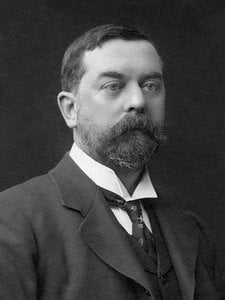
John Singer Sargent, een naam die synoniem staat voor de Gouden Eeuw en zijn schitterende portretten van elegantie, was een Amerikaanse kunstenaar die het grootste deel van zijn leven bracht aan het cultiveren van zijn vak in de Europese kunstwereld. Geboren in Florence, Italië, in 1856 als zoon van Amerikaanse emigranten, Fitzwilliam en Mary Newbold Sargent, was zijn jeugd allesbehalve conventioneel. De familie’s nomadenbestaan – voortdurend reizend door Frankrijk, Duitsland, Italië en Zwitserland – stelde jonge John in staat een kosmopolitische gevoeligheid te ontwikkelen en vroegtijdig de artistieke schatten van Europa te ontdekken. In plaats van formele schoolopleiding, ontvouwde zijn onderwijs zich binnen museumhallen en oude kerken, waardoor een visuele leergang ontstond die zijn artistieke visie diepgaand zou vormen. Dit nomadenkinderlijkheid, hoewel het traditionele structuur ontbeerde, bood een rijke culturele ervaring die zijn talent voedde. Zijn vader, een chirurg, en zijn moeder, een amateurkunstenares, moedigden zijn interesses aan, erkend de opmerkelijke waarnemingsvermogen van hun zoon. Al vroeg was duidelijk dat John’s pad niet lag in de geneeskunde of conventionele beroepen, maar binnen de wereld van kunst.
Van Parijse Atelier tot Portretmeester
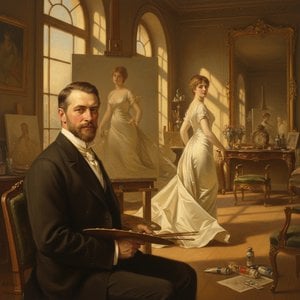
In 1874, op slechts achttienjarige leeftijd, begon Sargent een cruciale fase van zijn artistieke ontwikkeling door zich aan te sluiten bij het atelier van Carolus-Duran in Parijs. Deze begeleiding bleek transformatief. Duran’s nadruk op *direct schilderen* – een techniek die voorlopige schetsen afstondde ten gunste van onmiddellijke toepassing van verf op het lijkvlak – verfijnde Sargent’s reeds indrukwekkende technische vaardigheid en instilleerde in hem een verbazingwekkende capaciteit om portretten met snelheid en precisie vast te leggen. Het was een revolutionaire benadering, die moedigheid en spontaniteit aanmoedigde, en het werd de kenmerkende stijl van Sargent. Hij absorbeerde Duran’s lessen volledig, beheerst de kunst van het vastleggen niet alleen fysieke gelijkenis, maar ook de essentie van zijn onderwerpen. Tegelijkertijd meldde hij zich aan bij de École des Beaux-Arts om tekenvaardigheden te ontwikkelen vanuit mallen en levende modellen. Het was de invloed van Spaanse meesters zoals Velázquez, die hij tijdens een belangrijke reis naar Spanje in 1879 ontmoette, die Sargent’s artistieke verbeelding werkelijk deed ontvlammen. Hij werd gefascineerd door Velázquez’s meesterlijke gebruik van licht, penseelstreken en psychologische inzicht – kwaliteiten waar hij later in zijn carrière streefde naar.
Navigeren door Faam, Schandaal en Artistieke Evolutie
Sargent vestigde zich snel als een gevraagde portretist in Parijs, waarbij hij commissies ontving van de elite van de stad. Echter, zijn opkomst was niet zonder uitdagingen. De onthulling van *Madame X* (Portret van Madame Pierre Gautreau) op het Salon van 1884 veroorzaakte een schandaal dat zijn opbloeiende carrière dreigde te ondermijnen. Het schilderij’s onconventionele weergave van de sociale dame Virginie Amélie Avegno Gautreau – met haar bleke huidskleur, suggestieve houding en gevallen riem – werd door Parijse maatschappij bekritiseerd als provocerend en schandaalachtig. Hoewel Sargent het riempje later herschilderde, was de schade aangericht. Teleurgesteld door de controverse verhuisde hij in 1886 naar Londen, waar hij een meer ontvankelijk publiek vond voor zijn talenten. In Londen bleef hij portretten schilderen van de rijke en prominente, vastleggend de luxe en sociale dynamiek van de Edwardiaanse tijdperk met ongeëvenaarde vaardigheid. Toch strekte Sargent’s artistieke ambities zich uit verder dan de grenzen van bestelde portretten. Hij verlangde naar meer creatieve vrijheid en devoteerde hij steeds meer energie aan het schilderen van landschappen en plein-air studies, omarmend een impressionistische stijl gekenmerkt door losse penseelstreken, levendige kleuren en een focus op het vastleggen van vluchtige momenten van licht en atmosfeer. Deze landschappen onthullen een andere kant van Sargent – minder bezorgd over sociale status en meer in contact met de schoonheid van de natuurlijke wereld.
Een Laatste Erfgoed: Buiten Portrettuur
Hoewel hij bekend staat als “de leidende portretmeester van zijn generatie”, strekt John Singer Sargent’s artistieke nalatenschap verder dan zijn meesterlijke weergaven van sociale figuren. Zijn belangrijkste werken, zoals *El Jaleo*, een dynamische weergave van Spaanse flamenco-dansers, en *Carnation, Lily, Lily, Rose*, een serene afbeelding van twee jonge meisjes in een Engelse tuin, tonen zijn veelzijdigheid en technische briljantie. Later in zijn leven begon hij aan ambitieuze muurschilderingen, waaronder de monumentale cyclus in de Boston Public Library, die zijn artistieke visie op een groot schaal vertolkte. Zijn invloed is te zien in het werk van latere generaties kunstenaars die bewondering toonden voor zijn technische vaardigheid, zijn moedige penseelstreken en zijn vermogen om zowel fysieke gelijkenis als psychologische diepte vast te leggen. De herontdekking van zijn eerder verborgen mannelijke nudes in de jaren 1980 breidde onze begrip van Sargent’s artistieke reikwijdte verder uit en onthulde een complexere en genuanceerdere kunstenaar dan voorheen erkend. *Zijn schilderijen blijven publiek wereldwijd betoveren*, bieden een fascinerende blik op een vergane tijd terwijl ze tegelijkertijd transcenderen door hun blijvende schoonheid en technische meesterschap. Hij blijft, onbetwistbaar, een van de meest significante Amerikaanse kunstenaars van zijn generatie, wiens werk voortdurend inspiratie en bewondering oproept.
Invloeden en Artistieke Verbanden
- Carolus-Duran: Zijn leraar, die hem een directe schildersteknik bijbracht en spontaniteit aanmoedigde.
- Diego Velázquez: Sargent werd diep geïnspireerd door Velázquez’s meesterschap in licht, penseelstreken en psychologische inzicht, vooral zichtbaar in zijn Spaanse werken.
- Impressionisme: De invloed van de Impressionisten’ nadruk op het vastleggen van vluchtige momenten en atmosferische effecten had een diepgaande impact op zijn landschapschilderingen, wat leidde tot een losser, expressievere stijl.
- James Abbott McNeill Whistler: Sargent deelde met Whistler een interesse in esthetiek en het nastreven van “kunst voor kunst’s rekening”, wat invloed had op zijn benadering van compositie en kleur.



 Voorvertoning
 Bestel handgeschilderde reproductie
 Verstuur
 Delen
Delen
 Details bekijken

 Download
 Vergelijkbare items
 Röntgenonderzoek
 Diavoorstelling
 Statistieken


 Lees meer






































 De optie voor glas is alleen beschikbaar bij een formaat kleiner dan 110 cm.