GRATIS KUNSTADVIES

x
Bestel schilderij Bestel schilderijKoop afbeelding in hoge resolutie Koop afbeelding in hoge resolutie VerstuurVerstuur
DetailsDetails Toevoegen aan favorieten Toevoegen aan favorieten DownloadDownload Vergelijkbare werkenVergelijkbare werken X-RayX-Ray DiavoorstellingDiavoorstelling

untitled (2396)

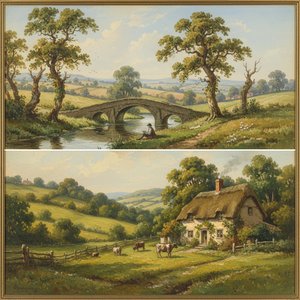
Experience John Constable's 'Untitled (2396)' – a captivating beach scene brimming with life and moody skies. A quintessential English landscape, rendered with emotive detail and capturing the beauty of rural Suffolk.

John Constable (1776-1837): De Britse landschapschilder die het platteland met emotie en licht vastlegde. Ontdek iconische werken zoals 'The Hay Wain'!

Giclée / Kunstafdruk

Giclée- of canvasafdruk van museumkwaliteit met snelle productie en flexibele afwerkingsopties.

P118B $10
P118H $10
P118W $10
P438Z $10
P508JH $12
P508YH $12
P805H $10
P805Z $10
P919BZ $10
P919G $10
P919XJ $10
P959ZH $10
P968JZ $12
W106C $8
W218G $10
W218JH $8
W218Y $10
W307PJ $10
W316G $10
W316PJ $8
W316Y $10
W398PJ $8
W4111J $10
W500HY $15
W500JH $15
W692G $12
W849H $8
W940BG $15
W953PJ $8

Standard
custom
CM
INCH

Kies uit onze vooraf ingestelde maten die overeenkomen met de originele verhoudingen van het kunstwerk.

breedte
hoogte

U kunt uw eigen afmetingen opgeven om in een specifieke lijst of ruimte te passen. Als de door u gekozen maat niet overeenkomt met de proporties van het originele kunstwerk, zullen wij de afbeelding bijsnijden of uitbreiden met een gespiegelde of effen rand. Een digitaal mockup wordt ter goedkeuring naar u verzonden voordat de productie begint.
Houd er rekening mee dat de preview op het scherm de werkelijke bijsneding of uitbreiding niet weergeeft. Alleen de mockup toont de uiteindelijke compositie nauwkeurig.
Hoewel aangepaste maten beschikbaar zijn, raden wij aan een afmeting uit de vooraf bepaalde lijst te kiezen om de originele proporties te behouden.

Wereldwijde levering () binnen 2 weken in plaats van de standaard 4/5 weken. (2 juli)

why_choose_icon
Gratis wereldwijde expressverzending
why_choose_icon
Hoogwaardig linnen canvas
why_choose_icon
Volledige verzendverzekering
why_choose_icon
Garantie op terugbetaling van invoerrechten
why_choose_icon
Garantie op exacte kleurweergave
why_choose_icon
60 dagen retourbeleid (alleen bij defecten)
why_choose_icon
100% Geld-terug-garantie
why_choose_icon
Korting bij meerdere afnames

Totaalprijs

-

reproduction

untitled (2396)

Giclée / Kunstafdruk

Afmetingen reproductie

-

Eindtotaal

-

Snelle feiten

  • Artist: John Constable
  • Movement: Romanticism
  • Subject or theme: Beach scene, rural life
  • Influences: Claude Lorrain
  • Title: untitled (2396)

Kunstquiz

Er is slechts één correct antwoord op elke vraag.

Vraag 1:
Based on the image description, what is a prominent feature of the sky in this painting?
Vraag 2:
The image description mentions a horse on the left side of the painting. What does this element likely contribute to the overall scene?
Vraag 3:
John Constable was known for his paintings of which region?
Vraag 4:
What artistic movement is John Constable most closely associated with?
Vraag 5:
The image description suggests a 'moody atmosphere.' Which element contributes most to this feeling?

Beschrijving verzamelobject

A Moment on the Shore: John Constable’s “Untitled (2396)”

John Constable's "Untitled (2396)" isn’t merely a depiction of a beach scene; it’s a carefully constructed evocation of rural life, imbued with the quiet drama of light and atmosphere characteristic of the artist’s unique vision. Born in 1776 in East Bergholt, Suffolk, Constable dedicated his life to capturing the subtle nuances of the English landscape – a pursuit that profoundly shaped his artistic identity. This particular painting, though lacking a formal title, exemplifies his signature style: an intimate observation of the familiar, rendered with remarkable sensitivity and emotional depth. The scene unfolds on a hazy afternoon, dominated by a cloudy sky that casts a diffused light across the shore. The composition is anchored by a collection of boats – varying in size and positioned at different distances – each reflecting the play of light and shadow upon the water’s surface. These aren't grand, heroic vessels; rather, they represent the everyday rhythms of coastal life, hinting at fishing expeditions or leisurely outings.

Constable’s masterful use of color is immediately striking. He employs a restrained palette – predominantly muted blues, greens, and browns – to create a sense of atmospheric depth. The sky isn't a single, uniform grey; it’s layered with variations in tone, suggesting movement and the promise of change. Notice how Constable subtly shifts the hues as he moves from foreground to background, creating an illusion of distance and drawing the viewer into the scene. The boats themselves are painted with delicate brushstrokes, capturing the textures of wood and water with remarkable precision. The artist’s technique is rooted in observation; he meticulously studied the effects of light on surfaces, a skill honed through years spent sketching in his beloved Suffolk countryside.

The Figure of the Horse and the Human Element

Adding an unexpected element to this tranquil scene is the presence of a horse standing on the left side of the canvas. Its posture – alert yet relaxed – suggests it might be tethered or awaiting its owner. The horse serves as a focal point, drawing the eye and subtly disrupting the otherwise serene composition. It’s a detail that invites speculation about the activities taking place within the scene; perhaps the boatmen are preparing their vessels for departure, or the horse is simply enjoying a moment of respite by the water's edge. Scattered throughout the beach are figures – likely local residents – engaged in various tasks: tending to the boats, socializing, or simply basking in the afternoon sun. Constable doesn’t offer detailed portraits; instead, he presents these individuals as part of the landscape, seamlessly integrated into the overall composition.

A Window into Rural England

To fully appreciate “Untitled (2396),” it's crucial to understand the historical context in which Constable worked. The early 19th century was a period of significant social and economic change in Britain, with rural communities facing increasing pressure from industrialization. Constable’s art offered a poignant counterpoint to this trend, celebrating the enduring beauty and value of the English countryside. His paintings weren't simply representations of landscapes; they were expressions of his deep affection for his native Suffolk – a region he considered to be a source of profound inspiration. The painting reflects Constable’s belief that nature held intrinsic worth, independent of human activity.

Symbolism and Emotional Resonance

Beyond its technical brilliance, “Untitled (2396)” resonates with a quiet emotional intensity. The cloudy sky evokes a sense of melancholy or introspection, while the bright patches of sunlight suggest hope and optimism. The scene is imbued with a feeling of timelessness – as if it could have been painted centuries ago. Constable’s ability to capture these subtle nuances of mood and atmosphere is what makes his work so enduringly captivating. It's a painting that invites contemplation, prompting us to reflect on our own relationship with the natural world and the beauty that surrounds us. The overall effect is one of peaceful observation, inviting the viewer to share in the simple pleasures of rural life.


Biografie van de kunstenaar

A Life Rooted in the English Landscape

John Constable, geboren in 1776 in het idyllische Suffolk dorp East Bergholt, was niet zomaar een schilder van landschappen; hij was een dichter van het land, de subtiele stemmingen en blijvende schoonheid ervan op doek met onverwachte emotionele diepte vertalend. Zijn vader, een welvarende graanhandelaar die zowel Dedham Vale als molens langs de River Stour bezat, bood niet alleen financiële zekerheid maar ook het onderwerp dat Constables artistieke leven zou definiëren. Deze vroege onderdompeling in de plattelandswereld – de rustige ritme van landbouwleven, het steeds veranderende licht op velden en water, de intieme details van de natuur – werd onlosmakelijk in zijn gevoeligheid gegrift. Hoewel aanvankelijk bestemd om zijn vader in de handel te volgen, leidde een groeiende passie voor kunst, gekoesterd door lokale patrons zoals George Beaumont die hem introduceerde tot het werk van Claude Lorrain, hem uiteindelijk op een andere weg. Constables artistieke reis was niet onmiddellijk; het was een geleidelijk ontvouwen, gevormd door zorgvuldige observatie en een voortdurende wens om niet alleen *wat* hij zag, maar ook *hoe* het voelde om aanwezig te zijn in de landschap.

Breaking with Convention: A New Vision of Nature

Constables artistieke ontwikkeling werd gekenmerkt door een bewuste afwijzing van heersende academische conventies. Voldoende met de geïdealiseerde en vaak theatrale landschappen die door de Royal Academy werden verfijnd, zocht hij in plaats daarvan een eerlijke weergave van de natuur, doordrenkt van persoonlijke gevoelens. Hij was niet geïnteresseerd in grote historische narratieven of mythologische scènes; zijn focus bleef onwrikbaar op het bekende landschap rondom hem. Deze toewijding aan het weergeven van alledaagse onderwerpen – hooigrachten, boerderijen, dorpsleven – werd aanvankelijk afgewezen door critici die zijn werk te gewoon en ontoereikend vonden. Toch bleef Constable volharden, gedreven door de overtuiging dat schoonheid in het alledaagse lag. Hij legde een techniek van *plein air* schilderen aan, waarbij hij naar buiten ging om licht en weer direct te observeren en vast te leggen. Deze directe betrokkenheid met de natuur stelde hem in staat zijn doeken met immediateheid en vitaliteit te vullen, iets wat nog nooit eerder in het Britse landschap kunst was voorgekomen. Zijn penseelwerk werd steeds losser en expressiever, waarbij hij dikke lagen verf gebruikte – *impasto* – om textuur te creëren en een gevoel van beweging en sfeer over te brengen. Hij registreerde niet alleen wat hij zag; hij vertaalde zijn emotionele reactie op de landschap in visuele vorm.

Iconic Works and Lasting Influence

Constables meest beroemde werken staan als getuigenis van zijn unieke visie. The Hay Wain (1821), misschien zijn bekendste schilderij, toont een kenmerkende plattelands scène aan de River Stour, die de rust en harmonie van het landbouwleven vastlegt. Hadleigh Castle (1829) laat zien zijn dramatische gebruik van licht en atmosferische effecten, waardoor een vervallen ruïne wordt omgetoverd tot een krachtig symbool van de tijdgevoel. De serie schilderijen die Salisbury Cathedral from the Meadows (1831) weergeven, demonstreert zijn vermogen om verschillende stemmingen en tijden van de dag te oproepen, waarbij de kathedraal als integraal onderdeel van het natuurlijke landschap wordt gepresenteerd. Netley Abbey (1824), met zijn evocatieve weergave van architectonische grandeur in de aanraking van wilde schoonheid, illustreert zijn vaardigheid om menselijke creatie te combineren met de wildernis van het landschap. Ondanks aanvankelijk moeilijke erkenning in Engeland, bereikte Constable aanzienlijke bekendheid in Frankrijk, waar zijn innovatieve technieken en emotionele diepte resoneren met kunstenaars die op zoek waren naar een meer realistische benadering van landschapsschilderkunst. Hij heeft de Barbizon School beïnvloed, een groep Franse schilders die zijn toewijding aan *plein air* schilderen en directe observatie van de natuur deelden.

Personal Life & Final Years

Constables persoonlijke leven werd gekenmerkt door zowel vreugde als verdriet. Hij trouwde in 1816 met Maria Bicknell, en ze kregen zeven kinderen, zij het dat er van hen niet veel overleefden. Zijn huwelijk bood hem emotionele steun maar ook financiële druk. Hij werd in 1829 lid van de Royal Academy, maar bleef tegenslag ondervinden van kritiek vanuit sommige kringen, met name met betrekking tot zijn onconventionele technieken. Zijn latere jaren werden overschaduwd door Maria's achteruitgang en haar uiteindelijke dood in 1828, een gebeurtenis die hem diep trof. Ondanks deze moeilijkheden bleef Constable toegewijd aan zijn kunst, waarbij hij schilderde tot zijn eigen overlijden op 31 maart 1837. Hij heeft een rijke artistieke nalatenschap achtergelaten – een getuigenis van zijn onwrikbare toewijding om de schoonheid en emotionele resonantie van het Engelse landschap vast te leggen. Zijn schilderijen blijven krachtige evocaties van een vervlogen tijd, die kijkers uitnodigen om het landschap door zijn uniek gevoelige ogen te ervaren.

Influences

Constable’s artistic development was profoundly influenced by several key figures and movements. He deeply admired the Dutch masters of the Golden Age, particularly Jacob van Ruysdael, for their ability to capture light and atmosphere with remarkable precision. Claude Lorrain, a French landscape painter who worked in Rome, also exerted a significant influence on Constable’s style, inspiring him to depict natural settings with a sense of drama and grandeur. The Romantic movement, which emphasized emotion, imagination, and the sublime beauty of nature, provided a broader context for Constable's artistic endeavors. He was particularly drawn to the ideas of William Wordsworth, who advocated for a more direct and personal approach to art, rejecting what he called “poetic diction.”

Key Achievements

* **Pioneer of *Plein Air* Painting:** Constable was one of the first British artists to regularly paint outdoors, directly observing nature and capturing its fleeting effects. * **Elevation of Ordinary Subjects:** He elevated everyday rural scenes – hay wains, farm buildings, village life – to the level of fine art. * **Revolutionizing Landscape Painting:** His innovative use of light, color, and brushwork transformed the genre of landscape painting in Britain. * **Influence on the Barbizon School:** Constable’s techniques and approach inspired a generation of French landscape painters.
John Constable

John Constable

1776 - 1837 , Verenigd Koninkrijk

Belangrijkste feiten

  • Artistic Movement Or Style: Romantiek
  • Artists Or Movements Influenced By This Artist: ['Barbizon School']
  • Artists Who Influenced This Artist:
    • Claude Lorrain
    • Ruisdael
  • Date Of Birth: 11 juni 1776
  • Date Of Death: 31 maart 1837
  • Full Name: John Constable
  • Nationality: Britse kunstenaar
  • Notable Artworks:
    • The Hay Wain
    • Salisbury Cathedral
    • Hadleigh Castle
  • Place Of Birth: East Bergholt, VK
Ontdek kunstwerken georganiseerd op thema's, stijlen en kenmerken.