


 Olieverf op canvasWanddecoratieFauvism
 1916Modern
 146.0 x 116.0 cm
Giclée- of canvasafdruk van museumkwaliteit met een snelle productie en flexibele afwerkingsmogelijkheden. ( Bestel handgeschilderde reproductie Koop afbeelding)





























Kies uit onze vooraf ingestelde maten die overeenkomen met de originele verhoudingen van het kunstwerk.

U kunt uw eigen afmetingen opgeven om in een specifieke lijst of ruimte te passen. Als de door u gekozen maat niet overeenkomt met de proporties van het originele kunstwerk, zullen wij de afbeelding bijsnijden of uitbreiden met een gespiegelde of effen rand. Een digitaal mockup wordt ter goedkeuring naar u verzonden voordat de productie begint.
Houd er rekening mee dat de preview op het scherm de werkelijke bijsneding of uitbreiding niet weergeeft. Alleen de mockup toont de uiteindelijke compositie nauwkeurig.
Hoewel aangepaste maten beschikbaar zijn, raden wij aan een afmeting uit de vooraf bepaalde lijst te kiezen om de originele proporties te behouden.
Wereldwijde levering () binnen 2 weken in plaats van de standaard 4/5 weken. (6 september)


The Window
Afmetingen reproductie
Henri Matisse’s "The Window," created in 1916, is a captivating example of Fauvism, showcasing the artist's unique approach to capturing a tranquil interior scene through bold colors and thoughtful composition. This oil on canvas masterpiece, measuring 146 x 116 cm, resides within the esteemed collection of the Musée National d’Art Moderne in Paris, offering a glimpse into Matisse’s innovative artistic journey.
Emerging in the early 20th century, Fauvism was a revolutionary movement that sought to liberate art from traditional representational constraints. Artists like Matisse and André Derain boldly employed unnatural colors not to depict reality accurately but to evoke emotions and express inner experiences. This daring approach marked a significant departure from established artistic norms and paved the way for subsequent movements such as Cubism and Abstract Art, fundamentally altering the course of modern art history.
"The Window" presents a serene interior scene characterized by its harmonious color palette and carefully arranged elements. The dominant blue hue of the wall creates a soothing atmosphere, while the window itself acts as a focal point, symbolizing transition between the interior world and the exterior landscape—a common motif in art representing hope or escape. Furnishings within the room – two chairs, one near the left side and another subtly placed in the background, along with a central dining table surrounded by chairs – contribute to a sense of domesticity and quiet contemplation. Two vases add touches of elegance and decorative detail. The composition isn't about precise realism; instead, Matisse captures the essence of the moment, prioritizing feeling over meticulous detail.
Matisse’s technique in "The Window" exemplifies his mastery of color and composition, hallmarks of the Fauvist style. The painting is characterized by bold brushstrokes and vibrant colors that create a dynamic yet harmonious visual experience. He skillfully balances simplicity with complexity through the arrangement of furniture and decorative elements within the room. Notice how he uses flat planes of color rather than creating depth through traditional perspective techniques—a signature element of his approach to Fauvism.


1869 - 1954 , Frankrijk
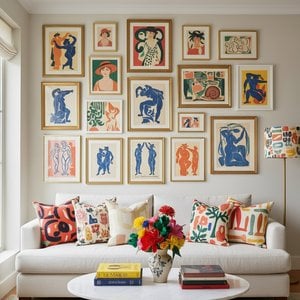
Ontdek de top 25 meesterwerken van Henri Matisse! Duik in de wereld van Fauvisme, kleurrijke composities & expressieve kunst. Vind museumkwaliteit reproducties en decoratie-inspiratie op WahooArt.com. Exploreer de collectie online!
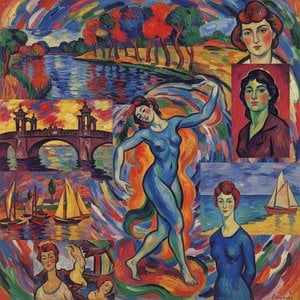
Ontdek de 10 meest iconische Fauvist meesterwerken van kunstenaars als Matisse & Derain. Duik in expressieve kleuren en baanbrekende technieken! Museumkwaliteit reproducties voor uw interieur op WahooArt.com
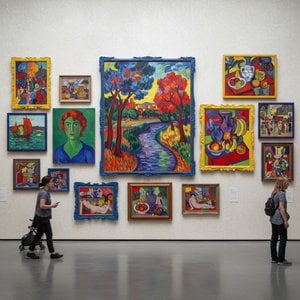
Ontdek de 10 meest iconische Fauvistische meesterwerken van kunstenaars als Matisse & Derain. Leer over kleur, expressie en hun invloed op moderne kunst. Museumkwaliteit reproducties voor uw interieur? Bekijk ze nu op WahooArt.com!

Ontdek 10 beroemde schilderijen gedomineerd door de prachtige tint 'Slate Blue'. Van Monet tot Van Gogh, leer over kunstgeschiedenis & techniek. Museumkwaliteit reproducties voor uw interieur op WahooArt.com! Ontdek de collectie online.
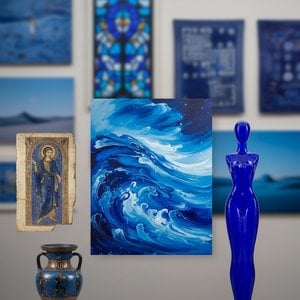
Explore the rich history of blue in art! Discover its symbolism, from ancient pigments to modern masterpieces by Kandinsky & Seurat. Uncover the psychological impact and cultural meanings behind this captivating hue.

 Voorvertoning
 Verstuur
 Delen
Delen
 Details bekijken

 Download
 Vergelijkbare items
 Röntgenonderzoek
 Diavoorstelling
 Lees meer







 De optie voor glas is alleen beschikbaar bij een formaat kleiner dan 110 cm.


