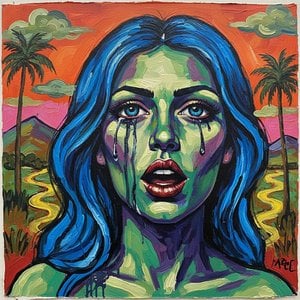
Een Leven in Kleur: De Wereld van Henri Matisse
Henri Émile Benoît Matisse, geboren op 31 december 1869 in het bescheiden Noord-Franse stadje Le Cateau-Cambrésis, leek aanvankelijk niet voorbestemd tot een leven doordrenkt van pigment en vorm. Na zijn middelbare school studeerde hij rechten in Parijs, maar zijn pad nam een dramatische wending na een blindedarmontsteking in 1889. Bedlegerig ontdekte hij een sluimerende passie die werd aangewakkerd door het eenvoudige schilderen met een set kunstbenodigdheden, geschonken door zijn moeder. Dit was niet slechts een tijdelijke afleiding; het was een openbaring – een keerpunt dat hem wegleidde van juridische documenten en naar een wereld waar kleur zijn taal zou worden en het canvas zijn domein. Opgegroeid in Bohain-en-Vermandois, als zoon van graanhandelaren, leek Matisse aanvankelijk ongeschikt voor het bohemienleven van een kunstenaar, maar de kiem was gelegd, gekoesterd door herstel en ontluikend tot een levenslange toewijding. Hij schreef zich in aan de Académie Julian en later aan de École Nationale des Beaux-Arts, waar hij studeerde onder William-Adolphe Bouguereau en Gustave Moreau, en absorbeerde klassieke technieken die als basis zouden dienen voor zijn toekomstige innovaties. Vroege werken weerspiegelden deze academische training, getuigend van vaardigheid maar ontbrekend aan de onderscheidende stem die hem weldra zou definiëren.
De Dageraad van het Fauvisme en Gedurfde Experimenten
Een cruciaal moment kwam in 1896 tijdens een bezoek aan Belle-Île met de Australische schilder John Russell. Deze ontmoeting bleek transformatief. Russell introduceerde Matisse in de levendige wereld van het Impressionisme, en belangrijker nog, in de emotioneel geladen doeken van Vincent van Gogh. De impact was enorm. Van Goghs expressieve kleurgebruik verbrak Matisses voorheen ingetogen palet en drong hem aan tot een gedurfder, subjectievere benadering. Hij begon zich af te keren van aardekleuren en omarmde tinten die resoneerden met gevoel in plaats van strikte representatie. Deze verkenning culmineerde in de opkomst van het Fauvisme rond 1905 – een beweging waar Matisse een leidende figuur werd. De naam zelf, wat “wilde beesten” betekent, was aanvankelijk spottend, toegekend door een criticus aan de schokkend levendige en on-naturalistische schilderijen die werden tentoongesteld op de Salon d'Automne.
Matisse, samen met kunstenaars als André Derain en Maurice de Vlaminck, bepleitte intense kleur als een zelfstandig expressief element, waarbij hij vormen vereenvoudigde om de impact ervan te versterken. Schilderijen zoals
The Gourds (1905) zijn exemplarisch voor deze stijl – een explosie van rood, groen en geel, aangebracht met een vrijheid die traditioneel perspectief en mimetische nauwkeurigheid tartte. Kernmerken waren intens verzadigde paletten, vereenvoudigde vormen, expressieve penseelstreken en een bewuste afwijzing van conventionele representatie ten gunste van emotionele resonantie.
Verfijning en Decoratieve Harmonie
Na de initiële opwinding van het Fauvisme onderging Matisses stijl een subtiele maar significante evolutie. Hoewel hij zijn liefde voor kleur nooit verliet, werd zijn werk verfijnder en neigde meer naar een decoratieve esthetiek die platte vormen en ingewikkelde patronen benadrukte. Hij verkende thema's als vrijetijdsbesteding, huiselijkheid en de menselijke figuur in rustige omgevingen, en creëerde composities die zowel harmonieus als emotioneel resonerend aanvoelden. Een verhuizing naar Nice aan de Franse Riviera in 1917 beïnvloedde deze verschuiving verder, waardoor zijn werk een gevoel van sereniteit en klassisch evenwicht kreeg. Hij begon zich te richten op het creëren van omgevingen – schilderijen, sculpturen en decoratieve objecten – die de kijker omhulden in een sfeer van schoonheid en kalmte. In deze periode experimenteerde hij met verschillende media, waaronder keramiek en textiel, waardoor zijn artistieke visie verder reikte dan het traditionele canvas. Hij schilderde niet slechts scènes; hij construeerde werelden die ontworpen waren om een specifieke emotionele reactie op te wekken.
Late Jaren: Innovatie door Beperking
Toen afnemende gezondheid Matisses vermogen om conventioneel te schilderen beperkte, begon hij aan een buitengewoon nieuw hoofdstuk in zijn artistieke reis – het creëren van knipselcollages, of *découpages*. Vanaf ongeveer 1947 werden deze werken geboren uit noodzaak. Gekluisterd aan een rolstoel kon hij fysiek niet staan en schilderen, maar hij kon nog steeds papier met een schaar manipuleren. Wat begon als een praktische oplossing evolueerde tot een baanbrekende artistieke techniek. Hij zou grote vellen papier in levendige kleuren beschilderen, ze vervolgens in vormen knippen – organische vormen, bladeren, figuren – en deze op canvas rangschikken, waardoor composities ontstonden die zowel dynamisch als misleidend eenvoudig waren. Deze *découpages* waren niet slechts vervangingen voor schilderkunst; ze vertegenwoordigden een nieuwe manier van denken over kleur, vorm en compositie. Ze zetten zijn levenslange verkenning van deze elementen voort, waarbij hij een aanhoudende artistieke visie toonde, zelfs in het licht van fysieke beperkingen.
- De knipseltechniek stelde hem in staat om een zuiverheid van vorm en kleur te bereiken die moeilijk met verf te realiseren was.
- Deze werken verweten vaak eerdere thema's en motieven uit zijn schilderijen, maar presenteerden ze op een frisse en innovatieve manier.
- Ze toonden zijn vermogen om zich aan te passen en te evolueren als kunstenaar gedurende zijn hele carrière.
Een Blijvende Erfenis: Matisses Impact op de Moderne Kunst
Henri Matisse stierf in Nice in 1954, en liet een oeuvre achter dat wereldwijd blijft inspireren en boeien. Zijn impact op de kunstwereld is onmiskenbaar; hij daagde conventionele noties van representatie uit, bepleitte de expressieve kracht van kleur en baande de weg voor toekomstige generaties kunstenaars. Vaak beschouwd naast Pablo Picasso als een van de meest invloedrijke figuren in de 20e-eeuwse kunst, heeft Matisse het modernisme fundamenteel gevormd. Zijn erfenis strekt zich uit tot zijn kunstwerken zelf – het omvat een filosofie die vreugde, schoonheid en het transformerende potentieel van kleur viert. Hij schilderde niet slechts wat hij zag; hij creëerde een emotionele ervaring voor de kijker, door hem uit te nodigen om zijn visie op een wereld in badend licht en levendige tinten te delen.
Matisse’s invloed is zichtbaar in talloze werken van kunstenaars uit verschillende disciplines, waardoor zijn plaats als ware meester van de moderne kunst wordt verstevigd – een schilder die durfde de wereld niet te zien zoals ze is, maar zoals ze zou kunnen zijn, gevuld met kleur, harmonie en grenzeloze mogelijkheden.



 Voorvertoning
 Bestel handgeschilderde reproductie
 Verstuur
 Delen
Delen
 Details bekijken

 Download
 Vergelijkbare items
 Röntgenonderzoek
 Diavoorstelling
 Statistieken
 Lees meer






































 De optie voor glas is alleen beschikbaar bij een formaat kleiner dan 110 cm.