


 Olieverf op canvasWanddecoratieFauvism
 1905Modern
 60.0 x 73.0 cm
Giclée- of canvasafdruk van museumkwaliteit met een snelle productie en flexibele afwerkingsmogelijkheden. ( Bestel handgeschilderde reproductie Koop afbeelding)





























Kies uit onze vooraf ingestelde maten die overeenkomen met de originele verhoudingen van het kunstwerk.

U kunt uw eigen afmetingen opgeven om in een specifieke lijst of ruimte te passen. Als de door u gekozen maat niet overeenkomt met de proporties van het originele kunstwerk, zullen wij de afbeelding bijsnijden of uitbreiden met een gespiegelde of effen rand. Een digitaal mockup wordt ter goedkeuring naar u verzonden voordat de productie begint.
Houd er rekening mee dat de preview op het scherm de werkelijke bijsneding of uitbreiding niet weergeeft. Alleen de mockup toont de uiteindelijke compositie nauwkeurig.
Hoewel aangepaste maten beschikbaar zijn, raden wij aan een afmeting uit de vooraf bepaalde lijst te kiezen om de originele proporties te behouden.
Wereldwijde levering () binnen 2 weken in plaats van de standaard 4/5 weken. (6 september)


Collioure Interior
Afmetingen reproductie
“Collioure Interior” transports viewers to a serene domestic scene in the picturesque town of Collioure, France. The painting depicts a woman seated comfortably on a bench near a window, tenderly holding a baby while gazing out at the vibrant landscape beyond. The room itself is simply furnished with a bed and two chairs, creating an intimate atmosphere. However, it's Matisse’s bold use of color that truly brings the scene to life. The foreground bursts with reds, greens, and yellows, contrasting beautifully with the tranquil backdrop of the Collioure scenery visible through the window.
This artwork is a prime example of Fauvism, an art movement that emerged in France around 1905. "Fauves" translates to “wild beasts,” reflecting the critics’ initial reaction to the movement's unconventional use of color and energetic brushstrokes. Henri Matisse was one of its leading figures. Fauvist artists rejected traditional techniques of realistic representation, instead prioritizing emotional expression through vibrant, non-naturalistic colors. They sought to liberate color from its descriptive function, using it purely for aesthetic impact.
While seemingly a simple domestic scene, "Collioure Interior" carries deeper symbolic weight. The woman's gaze towards the landscape suggests a longing or contemplation, while the presence of the baby evokes themes of motherhood and familial love. The intense colors aren’t meant to accurately depict reality but rather to convey Matisse’s emotional response to the scene. The painting exudes a sense of warmth, tranquility, and joy—a celebration of life's simple pleasures. The bold color choices create an almost dreamlike quality, inviting viewers to immerse themselves in the artist's subjective experience.
Painted during Matisse’s time spent in Collioure, "Collioure Interior" reflects a period of artistic experimentation and innovation. It marks a significant step towards abstraction in Matisse’s work, as he increasingly prioritized color and form over realistic representation. The painting's influence can be seen in subsequent generations of artists who embraced bold colors and expressive brushwork. It remains an iconic example of Fauvism and a testament to Matisse’s enduring legacy as one of the most important figures in modern art.


1869 - 1954 , Frankrijk
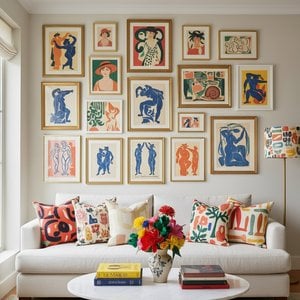
Ontdek de top 25 meesterwerken van Henri Matisse! Duik in de wereld van Fauvisme, kleurrijke composities & expressieve kunst. Vind museumkwaliteit reproducties en decoratie-inspiratie op WahooArt.com. Exploreer de collectie online!
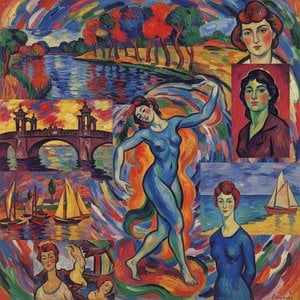
Ontdek de 10 meest iconische Fauvist meesterwerken van kunstenaars als Matisse & Derain. Duik in expressieve kleuren en baanbrekende technieken! Museumkwaliteit reproducties voor uw interieur op WahooArt.com
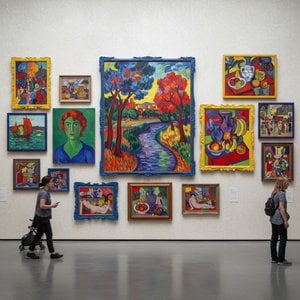
Ontdek de 10 meest iconische Fauvistische meesterwerken van kunstenaars als Matisse & Derain. Leer over kleur, expressie en hun invloed op moderne kunst. Museumkwaliteit reproducties voor uw interieur? Bekijk ze nu op WahooArt.com!
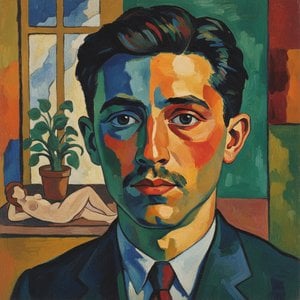
Explore the revolutionary art of Henri Matisse! Discover his bold use of color, Fauvist origins, and lasting impact on modern painting. A comprehensive guide for art enthusiasts.

Explore the revolutionary Fauvism movement & Henri Matisse's bold use of color! Discover key characteristics, iconic artworks, and its lasting impact on modern art history with WahooArt.

 Voorvertoning
 Verstuur
 Delen
Delen
 Details bekijken

 Download
 Vergelijkbare items
 Röntgenonderzoek
 Diavoorstelling
 Lees meer







 De optie voor glas is alleen beschikbaar bij een formaat kleiner dan 110 cm.


