


 GraphiteArt Nouveau
 1913Modern
 37.0 x 56.0 cm
 Albertina
Giclée- of canvasafdruk van museumkwaliteit met een snelle productie en flexibele afwerkingsmogelijkheden. ( Bestel handgeschilderde reproductie Koop afbeelding)





























Kies uit onze vooraf ingestelde maten die overeenkomen met de originele verhoudingen van het kunstwerk.

U kunt uw eigen afmetingen opgeven om in een specifieke lijst of ruimte te passen. Als de door u gekozen maat niet overeenkomt met de proporties van het originele kunstwerk, zullen wij de afbeelding bijsnijden of uitbreiden met een gespiegelde of effen rand. Een digitaal mockup wordt ter goedkeuring naar u verzonden voordat de productie begint.
Houd er rekening mee dat de preview op het scherm de werkelijke bijsneding of uitbreiding niet weergeeft. Alleen de mockup toont de uiteindelijke compositie nauwkeurig.
Hoewel aangepaste maten beschikbaar zijn, raden wij aan een afmeting uit de vooraf bepaalde lijst te kiezen om de originele proporties te behouden.
Wereldwijde levering () binnen 2 weken in plaats van de standaard 4/5 weken. (7 september)


Reclining Nude
Afmetingen reproductie
In the quiet intersection of human vulnerability and decorative splendor lies Gustav Klimt’s "Reclining Nude." Created around 1912–1913, this masterpiece serves as a profound window into the soul of the Austrian Secession movement. At first glance, the viewer is met with a scene of profound stillness; a woman rests in a state of serene repose, her form captured in a moment of effortless grace. Yet, beneath this surface of tranquility lies a complex tapestry of emotion and artistry. The subject, draped in a way that suggests both intimacy and distance, invites the observer into a private sanctuary of thought and sensation. It is not merely a study of the female form, but an exploration of the boundary between the physical world and the spiritual realm.
The technique employed by Klimt in this work reflects his revolutionary departure from the rigid constraints of academic realism. Moving away from the heavy, literal depictions favored by the old guard, Klimt embraced a style that prioritized decorative abstraction and tactile richness. Through the masterful use of graphite and subtle color accents, he creates a sense of depth that feels both flat and infinitely layered. The way light seems to graze the curves of the figure suggests a luminous quality, reminiscent of the Byzantine mosaics that so deeply moved him. This interplay of delicate line work and textured suggestion allows the artwork to breathe, making it a centerpiece that commands attention through subtlety rather than sheer force.
To understand "Reclining Nude," one must understand the rebellious spirit of the Vienna Secession. As a founding member of this avant-garde group, Klimt sought to liberate art from the suffocating traditions of the Austro-Hungarian Empire. This piece embodies that liberation, utilizing organic shapes and flowing lines to evoke the primal rhythms of nature and instinct. The reclining figure becomes a symbol of the subconscious—a space where the boundaries of the self dissolve into the surrounding atmosphere. There is an inherent tension in the work between the tangible weight of the body and the ephemeral, dreamlike quality of the composition, mirroring the era's fascination with psychoanalysis and the hidden depths of the human psyche.
For the discerning collector or interior designer, this artwork offers more than just aesthetic beauty; it provides a narrative anchor for a sophisticated space. The piece possesses a unique ability to harmonize with diverse environments, from the minimalist elegance of a modern gallery-style loft to the opulent textures of a classical study. Its muted yet rich palette and commanding presence make it an ideal choice for those looking to infuse their interiors with a sense of historical depth and emotional resonance. Owning a high-quality reproduction of this work is an invitation to live alongside a piece of history—a constant reminder of the enduring power of beauty, introspection, and the transformative strength of the artistic spirit.


1862 - 1918 , Oostenrijk
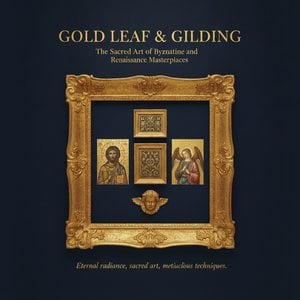
Explore the divine mastery of Byzantine gold leaf and gilding. Discover how ancient artisans used gold ground and mosaics to create celestial light, a timeless legacy of spiritual splendor and technical excellence in sacred art history.

Embark on a visual journey through the world's most radiant masterpieces. Discover how gold leaf, impasto textures, and gilded tones define luxury in fine art, from Byzantine icons to modern abstracts. Explore the eternal allure of gold in curated, museum-quality art collections.

Embark on a sophisticated journey through the splendor of Austrian art. From Gustav Klimt’s golden masterpieces to the elegance of the Viennese Secession, discover the history and symbolism behind Europe's most iconic works for the discerning collector.

Embark on a sophisticated journey through Austrian art history. Explore the golden brilliance of Gustav Klimt and the elegance of the Vienna Secession through an expert lens, celebrating the enduring soul of Central European masterpieces.

Explore the profound impact of the Vienna Secession movement. Discover how visionaries like Gustav Klimt revolutionized modern art through symbolism, gold leaf, and bold ornamentation in this deep dive into the aesthetic revolution that redefined the visual landscape of Europe.

 Voorvertoning
 Verstuur
 Delen
Delen
 Details bekijken

 Download
 Vergelijkbare items
 Röntgenonderzoek
 Diavoorstelling
 Lees meer







 De optie voor glas is alleen beschikbaar bij een formaat kleiner dan 110 cm.


