Voorvertoning Bekijk in AR Bestel handgeschilderde reproductie Schakel over naar digitale afbeeldingen Verstuur
Details bekijken Gids Toevoegen aan favorieten Download Vergelijkbare items Röntgenonderzoek Diavoorstelling Q&A Statistieken

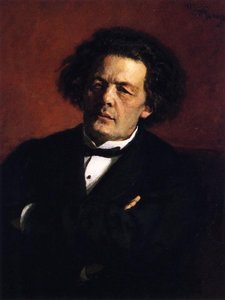
Joseph Pembauer

Experience Gustav Klimt's 'Joseph Pembauer,' a captivating oil painting showcasing the artist’s signature Art Nouveau style and realism. Admire the pianist's details & golden background.

Ontdek Gustav Klimt (1862-1918), de Oostenrijkse meester van Art Nouveau! Verken zijn iconische 'Gouden Fase', sensuele portretten & meesterwerken zoals *De Kus*. Leer over zijn leven, invloeden & nalatenschap.

Giclée / Kunstafdrukken

Giclée- of canvasafdruk van museumkwaliteit met een snelle productie en flexibele afwerkingsmogelijkheden. ( Bestel handgeschilderde reproductie Schakel over naar digitale afbeeldingen)

Corner sample of the P118B picture frame: gegoten polystyreen, 5 cm wide and 3 cm thick
P118B €10
Corner sample of the P118H picture frame: gegoten polystyreen, 5 cm wide and 3 cm thick
P118H €10
Corner sample of the P118W picture frame: gegoten polystyreen, 5 cm wide and 3 cm thick
P118W €10
Corner sample of the P438Z picture frame: gegoten polystyreen, 5.5 cm wide and 3.5 cm thick
P438Z €10
Corner sample of the P508JH picture frame: gegoten polystyreen, 7 cm wide and 3.5 cm thick
P508JH €12
Corner sample of the P508YH picture frame: gegoten polystyreen, 7 cm wide and 3.5 cm thick
P508YH €12
Corner sample of the P805H picture frame: gegoten polystyreen, 5 cm wide and 3.5 cm thick
P805H €10
Corner sample of the P805Z picture frame: gegoten polystyreen, 5 cm wide and 3.5 cm thick
P805Z €10
Corner sample of the P919BZ picture frame: gegoten polystyreen, 7 cm wide and 3.5 cm thick
P919BZ €10
Corner sample of the P919G picture frame: gegoten polystyreen, 7 cm wide and 3.5 cm thick
P919G €10
Corner sample of the P919XJ picture frame: gegoten polystyreen, 7 cm wide and 3.5 cm thick
P919XJ €10
Corner sample of the P959ZH picture frame: gegoten polystyreen, 5 cm wide and 3 cm thick
P959ZH €10
Corner sample of the P968JZ picture frame: gegoten polystyreen, 6 cm wide and 4 cm thick
P968JZ €12
Corner sample of the W106C picture frame: massief hout, 5 cm wide and 3 cm thick
W106C €8
Corner sample of the W218G picture frame: massief hout, 5 cm wide and 3 cm thick
W218G €10
Corner sample of the W218JH picture frame: massief hout, 5 cm wide and 3 cm thick
W218JH €8
Corner sample of the W218Y picture frame: massief hout, 5 cm wide and 3 cm thick
W218Y €10
Corner sample of the W307PJ picture frame: massief hout, 6 cm wide and 3 cm thick
W307PJ €10
Corner sample of the W316G picture frame: massief hout, 6 cm wide and 3 cm thick
W316G €10
Corner sample of the W316PJ picture frame: massief hout, 6 cm wide and 3 cm thick
W316PJ €8
Corner sample of the W316Y picture frame: massief hout, 6 cm wide and 3 cm thick
W316Y €10
Corner sample of the W398PJ picture frame: massief hout, 5 cm wide and 3 cm thick
W398PJ €8
Corner sample of the W4111J picture frame: massief hout, 6.5 cm wide and 3.5 cm thick
W4111J €10
Corner sample of the W500HY picture frame: massief hout, 7 cm wide and 5 cm thick
W500HY €15
Corner sample of the W500JH picture frame: massief hout, 7 cm wide and 5 cm thick
W500JH €15
Corner sample of the W692G picture frame: massief hout, 8 cm wide and 4 cm thick
W692G €12
Corner sample of the W849H picture frame: massief hout, 5 cm wide and 3 cm thick
W849H €8
Corner sample of the W940BG picture frame: massief hout, 7.5 cm wide and 4.5 cm thick
W940BG €15
Corner sample of the W953PJ picture frame: massief hout, 6 cm wide and 3.5 cm thick
W953PJ €8

Standaardformaat
op maat gemaakt
CM
INCH

Kies uit onze vooraf ingestelde maten die overeenkomen met de originele verhoudingen van het kunstwerk.

breedte
hoogte

Voer de gewenste breedte en hoogte in, passend bij uw lijst of muur. Een afdruk kan alleen worden ingekort en nooit groter worden gemaakt dan het origineel; een formaat met andere verhoudingen zal daarom een deel van de afbeelding verliezen. Wij sturen u een digitaal mockup ter goedkeuring voordat we tot drukwerk overgaan. De afbeelding op deze pagina toont niet de werkelijke uitsnede — dit is alleen te zien op het mockup.

Wereldwijde levering () binnen 2 weken in plaats van de standaard 4/5 weken. (28 oktober)

Gratis wereldwijde expressverzending
Hoogwaardig linnen canvas
Volledige verzendverzekering
Garantie op terugbetaling van invoerrechten
Garantie op exacte kleurweergave
Retourbeleid van 100 dagen (alleen bij defecten)
100% Geld-terug-garantie
Korting bij meerdere afnames

Totaalprijs

€ 61

Joseph Pembauer

Giclée / Kunstafdrukken

Afmetingen reproductie

-

Eindtotaal

€ 61

Snelle feiten

  • Artistic style: Symbolic realism
  • Subject or theme: Pianist portrait
  • Medium: Oil on canvas
  • Year: 1890
  • Location: Tiroler Landesmuseum
  • Influences: Klimt's work

Kunstquiz

Er is slechts één goed antwoord op elke vraag.

Vraag 1:
What artistic movement is most closely associated with Gustav Klimt’s ‘Joseph Pembauer’?
Vraag 2:
What is a prominent feature of Klimt's style evident in ‘Joseph Pembauer’?
Vraag 3:
Based on the image description, what is Joseph Pembauer depicted as?
Vraag 4:
The background of ‘Joseph Pembauer’ features metallic shades with gold accents. What does this suggest about Klimt's artistic development?
Vraag 5:
Which of the following best describes Klimt’s background before achieving success as a painter?

The Enigmatic Figure of Joseph Pembauer: A Klimt Masterpiece

Gustav Klimt’s Joseph Pembauer, painted in 1890, is more than just a portrait; it's a shimmering encapsulation of the artist’s signature style and a profound meditation on Vienna’s vibrant cultural landscape. This oil-on-canvas work, measuring a modest 69 x 55 cm, immediately draws the eye with its opulent use of gold – a technique that would later define Klimt’s “golden phase” – yet it possesses an underlying depth and psychological complexity rarely found in portraiture of the era. The painting depicts Joseph Pembauer, a prominent pianist and esteemed piano teacher residing in Vienna, captured with meticulous detail: from the delicate silver spectacles perched upon his nose to the arched, thick eyebrows framing his intensely observant eyes.

Klimt’s artistic journey leading up to Joseph Pembauer reveals a fascinating evolution. Born in Baumgarten near Vienna, he began his career amidst financial hardship, initially studying architectural painting at the prestigious Vienna School of Arts and Crafts. However, Klimt quickly rejected the rigid academic traditions, seeking instead to forge a distinctly personal style. His early work involved decorative murals for public buildings like the Burgtheater, providing him with invaluable experience in composition and color theory – skills he would later masterfully employ in his more celebrated paintings. The influence of Art Nouveau is undeniable; the flowing lines, stylized forms, and emphasis on decorative elements are hallmarks of this influential movement.

A Symphony of Gold and Detail

The background of Joseph Pembauer isn’t merely a backdrop but an integral part of the composition. Klimt utilizes shimmering shades and strategically placed gold accents to create a sense of luxurious depth, echoing the opulent interiors he often depicted in his earlier work. This deliberate use of metallic hues foreshadows the lavishness that would become synonymous with his later masterpieces, such as The Kiss. The painting’s realism is juxtaposed against this stylized backdrop, highlighting Pembauer's presence and drawing attention to his features – particularly his face, which exudes a quiet intensity and a hint of melancholy.

Klimt’s technical skill is evident in the incredibly detailed rendering of Pembauer’s attire. The dark suit and tie are meticulously painted, showcasing Klimt’s ability to capture texture and form with remarkable precision. The subtle play of light and shadow across his face adds a layer of realism, while the stylized background elevates the portrait beyond a simple likeness. It's this careful balance between observation and artistic interpretation that makes Joseph Pembauer such a compelling work.

Symbolism and Viennese Society

Beyond its aesthetic beauty, Joseph Pembauer offers a glimpse into the social dynamics of late 19th-century Vienna. Pembauer’s profession as a piano teacher speaks to the city's thriving musical scene – a central element of Viennese culture at the time. The portrait can be interpreted as an homage to this artistic community, capturing not just a man but also the spirit of an era. Klimt frequently explored themes of beauty, desire, and social status in his work, and Joseph Pembauer is no exception.

At WahooArt.com, we are proud to offer a meticulously crafted oil painting reproduction of this iconic artwork. Our team of skilled artists painstakingly recreates every detail – from the subtle nuances of Pembauer’s expression to the shimmering gold accents – using premium materials and techniques to ensure an authentic representation of Klimt's vision. Available in various sizes and with custom framing options, you can bring this captivating masterpiece into your home or office, experiencing the magic of Gustav Klimt firsthand. Explore more about Gustav Klimt and his artistic style at WahooArt.com.

A Legacy of Artistic Innovation

Gustav Klimt’s legacy extends far beyond Joseph Pembauer. His innovative use of color, symbolism, and decorative elements profoundly influenced the development of modern art. His exploration of themes such as sexuality, beauty, and mortality continues to resonate with audiences today. To delve deeper into Klimt's life and work, we invite you to explore our collection of Klimt reproductions at Gustav Klimt Art Collection, or discover the rich history of art through WahooArt’s extensive collection spanning from the 12th to the 20th century at A Journey Through Art History with WahooArt’s Extensive Collection. Furthermore, consider visiting The Österreichische Galerie Belvedere Vienna, Austria at The Österreichische Galerie Belvedere Vienna, Austria to experience Klimt’s art in its original context.

Veelgestelde vragen

Welke sfeer brengt "Joseph Pembauer" in een ruimte?

De Romantic sfeer van "Joseph Pembauer" door Gustav Klimt past perfect bij de aanbevolen ruimte: een Living Room.

Zijn de kleuren van "Joseph Pembauer" door Gustav Klimt levendig of juist gedempt?

"Joseph Pembauer" door Gustav Klimt is vastgelegd met een Clear Color Presence verzadiging en een Balanced intensiteit.

Is "Joseph Pembauer" een van de meest populaire werken van Gustav Klimt?

"Joseph Pembauer" wordt geclassificeerd als Iconic.


Biografie kunstenaar

Een Leven in Gouden Schittering: Gustav Klimt en de Weense Secession

Gustav Klimt, geboren op 14 juli 1862 in Baumgarten nabij Wenen, was een kind van zijn tijd – een tijd van weelderige pracht, maar ook diepe sociale spanningen. Zijn vader, Ernst Klimt, was een goudgraveur, en het is niet ondenkbaar dat de jonge Gustav al vroeg gefascineerd raakte door de glans en precisie van dit ambacht. Deze vroege blootstelling aan gouden blad en gedetailleerde ornamentiek zou later doorslaggevend worden voor zijn unieke stijl. De familie Klimt kende een onzekere financiële situatie, wat resulteerde in frequente verhuizingen binnen Wenen. Dit nomadische bestaan kan bijgedragen hebben aan Gustavs scherpe observatievermogen en gevoeligheid voor de menselijke conditie. Al vroeg toonde hij uitzonderlijk teken talent, aangemoedigd door zijn vader en een aangeboren begaafdheid die snel duidelijk werd. In 1876 trad hij toe tot de Kunstgewerbeschule in Wenen, waar hij zich formeel begon te bekwalificeren als architectuur schilder onder Ferdinand Laufberger. Deze opleiding legde een solide technische basis, maar exposeerde hem ook aan de heersende academische stijlen – stijlen die Klimt later zou uitdagen en overstijgen. Hier ontmoette hij zijn broer Ernst en Franz von Matsch, met wie hij een vruchtbare samenwerking begon, wat leidde tot vroege opdrachten voor decoratieve muurschilderingen en plafonds, de eerste stappen naar zijn toekomstige succes.

De Opkomst van de Wiener Secession

In de jaren 1890 groeide Klimt steeds ontevredener over het conservatisme van de gevestigde kunstwereld in Wenen. Hij verlangde naar meer artistieke vrijheid, een ruimte waar innovatie kon bloeien zonder de beperkingen van traditionele normen. Deze wens culmineerde in 1897 in de oprichting van de Wiener Secession, een cruciaal moment in de Oostenrijkse kunstgeschiedenis. Klimt werd gekozen tot eerste voorzitter en werd het boegbeeld van een beweging die streefde naar een breuk met de rigide academische regels en omarming van nieuwe artistieke stromingen uit heel Europa – Art Nouveau, Symbolisme en Japonisme. Het Secessiongebouw, ontworpen door Joseph Maria Olbrich, werd een symbool van deze rebellie, een tempel gewijd aan moderne kunst. Klimts werk stond centraal in de ethos van de Secession, belichaamde haar afwijzing van conventionele esthetiek en haar omarming van decoratieve elementen, gedurfde kleuren en symbolische beelden. Zijn schilderijen begonnen thema’s als liefde, dood en seksualiteit te verkennen met een ongekende openheid, wat zowel bewondering als verontwaardiging opwekte.

De Gouden Periode en Artistieke Volwassenheid

Rond 1900 betrad Klimt zijn zogenoemde “Gouden Periode”, gekenmerkt door het weelderige gebruik van bladgoud, geïnspireerd door Byzantijnse mozaïeken en middeleeuwse verluchte manuscripten. Deze techniek transformeerde zijn schilderijen in glinsterende, bovenaardse visioenen, doordrenkt met een gevoel van spirituele diepte en zintuiglijke aantrekkingskracht. De Kus (1907-1908), misschien wel zijn meest iconische werk, is een perfect voorbeeld van deze stijl – een koppel innig verstrengeld in een omhelzing, gehuld in een gouden aura, hun lichamen versierd met ingewikkelde patronen. In dezelfde periode creëerde Klimt een reeks adembenemende portretten, waaronder *Portret van Adele Bloch-Bauer I* (1907), dat zijn vermogen toonde om niet alleen fysieke gelijkenis vast te leggen, maar ook de psychologische complexiteit van zijn modellen. Hij vervaagde steeds meer de grenzen tussen schilderkunst en ornamentiek, integreerde decoratieve elementen in zijn composities om een harmonieuze fusie van vorm en inhoud te creëren. De invloed van Japanse kunst – Japonisme – was bijzonder zichtbaar in zijn afgeplatte perspectief, nadruk op lijnvoering en het gebruik van decoratieve patronen.

Controverses, Invloeden en Blijvende Erfenis

Klimts carrière kende ook controverse. In 1900 ontving hij een prestigieuze opdracht voor plafondschilderingen in de Grote Zaal van de Universiteit van Wenen, met als thema Filosofie, Jurisprudence en Theologie. Deze werken – vooral *Filosofie* – werden echter door conservatieve critici als provocatief en zelfs pornografisch beschouwd, wat leidde tot publieke verontwaardiging en uiteindelijk ertoe aanzette dat Klimt verdere openbare opdrachten weigerde. Dit incident markeerde een keerpunt in zijn carrière, waardoor hij zich meer richtte op privéopdrachten en hem grotere artistieke vrijheid gaf. Gedurende zijn leven werd Klimt beïnvloed door een diverse reeks kunstenaars en stijlen – van Hans Makarts historische schilderijen tot de decoratieve kunst van Byzantium en Japan. Hij liet zich ook inspireren door de Symbolistische beweging, waarbij hij thema’s als mythologie, allegorie en het onderbewustzijn verkende. Gustav Klimt bleef productief schilderen tot zijn dood op 6 februari 1918 aan een beroerte tijdens de Spaanse Griep pandemie. Zijn latere werken toonden meer abstracte vormen en landschappen, wat zijn voortdurende artistieke evolutie aantoont. Hij wordt nu erkend als een van de belangrijkste figuren in de Oostenrijkse kunstgeschiedenis, een vooraanstaande exponent van de Wiener Secession, en een blijvend symbool van Art Nouveau elegantie. Zijn schilderijen bereiken hoge prijzen op veilingen, en zijn invloed blijft resoneren in hedendaagse kunst en design.

Kernkenmerken & Artistieke Stijl

  • Symbolisme: Klimts werk is diep symbolisch, vaak verkennend thema’s als liefde, dood, seksualiteit en de menselijke conditie.
  • Art Nouveau: Hij was een leidende figuur in de Art Nouveau beweging, gekenmerkt door zijn organische lijnen, decoratieve patronen en nadruk op schoonheid.
  • Gouden Periode: Zijn gebruik van bladgoud creëerde glinsterende, weelderige oppervlakken die zijn kenmerkende stijl werden.
  • Decoratieve Elementen: Klimt integreerde decoratieve elementen in zijn composities, waardoor de grenzen tussen schilderkunst en ornamentiek vervaagden.
  • Vrouwelijke Vorm: De vrouwelijke vorm was een centraal onderwerp in zijn werk, vaak afgebeeld met sensualiteit en psychologische diepte.

Gustav Klimt

Gustav Klimt

1862 - 1918 , Oostenrijk

Belangrijkste feiten

  • Artistic Movement Or Style: Symbolisme, Art Nouveau
  • Artists Or Movements Influenced By This Artist: ['Egon Schiele']
  • Artists Who Influenced This Artist:
    • Hans Makart
    • Japanse kunst
  • Date Of Birth: 14 juli 1862
  • Date Of Death: 6 februari 1918
  • Full Name: Gustav Klimt
  • Nationality: Oostenrijks
  • Notable Artworks:
    • De Kus
    • Adele Bloch-Bauer I
  • Place Of Birth: Wenen, Oostenrijk
Ontdek kunstwerken georganiseerd op thema, stijl en kenmerk.