Acrylic On CanvasWallArtImpressionism
 23.0 x 32.0 cm
Met de hand geschilderd in olieverf op canvas in uw gewenste maat en lijst, op bestelling gemaakt door onze kunstenaars. ( Bestel print Koop afbeelding)





























Kies uit onze vooraf ingestelde maten die overeenkomen met de originele verhoudingen van het kunstwerk.

U kunt uw eigen afmetingen invoeren om in een specifieke lijst of ruimte te passen. Als de door u gekozen maat niet overeenkomt met de verhoudingen van het originele beeld, zullen we het kunstwerk bijsnijden of het schilderij uitbreiden met extra handgeschilderde elementen. Een digitale mockup wordt ter goedkeuring naar u verzonden voordat de productie begint.
Houd er rekening mee dat de preview op het scherm niet de werkelijke uitsnede of uitbreiding weergeeft. Alleen de mockup toont de uiteindelijke compositie nauwkeurig.
Hoewel aangepaste afmetingen mogelijk zijn, raden we aan een maat uit de vooraf gedefinieerde lijst te selecteren om de originele verhoudingen te behouden.
Wereldwijde levering () binnen 3 tot 4 weken in plaats van de standaard 5 weken. (7 september). Zonder concessies aan de kwaliteit.


Stone crusher
Afmetingen reproductie
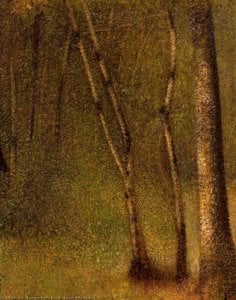
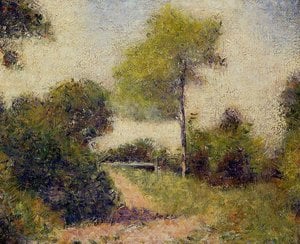
Georges Pierre Seurat (1859-1891) stands as a monumental figure in the artistic landscape of late 19th century France, irrevocably altering the trajectory of painting with his groundbreaking innovation – Pointillism. More than just a technique, it represented a radical reimagining of how artists perceived and reproduced light and color, firmly establishing him as a prophet of modern art.
“Stone Crusher,” painted around 1883-84 during Seurat’s formative years, exemplifies this revolutionary approach. Executed on paper with crayon—a medium chosen for its ability to capture tonal nuances—the artwork depicts a solitary laborer engaged in the arduous task of breaking down stone. This seemingly simple scene transcends mere representation; it embodies Seurat's meticulous observation of the natural world and his unwavering commitment to scientific principles.
Painted during a period marked by rapid industrialization in France, “Stone Crusher” speaks to the realities of rural life and the demands placed upon agricultural workers. The somber color palette—dominated by grayscale tones—reflects not only the physical exertion involved but also evokes feelings of fatigue and hardship. However, beyond its depiction of labor, the artwork serves as a study in human form and movement, capturing the essence of physicality with remarkable accuracy.
The artist’s deliberate choice to forgo vibrant color is significant. It aligns with Seurat's broader philosophical stance—a belief that art should strive for objectivity and capture the fundamental truths of perception. By rejecting Impressionistic subjectivity, Seurat elevates “Stone Crusher” to a testament to scientific rigor and artistic innovation.
"Stone Crusher" isn't merely an image; it’s a distillation of experience—a poignant portrayal of human effort against the backdrop of the natural world. Seurat’s unwavering focus on tonal gradation and texture imbues the artwork with a palpable sense of atmosphere, inviting viewers to contemplate the dignity inherent in manual labor and the beauty found within simplicity.


1859 - 1891 , Frankrijk

Explore the scientific brilliance of Seurat and Signac. Discover how Pointillism revolutionized color through optical mixing and light, offering a profound look into the Neo-Impressionist movement for true art connoisseurs and collectors.

Explore the vibrant evolution of Post-Impressionism. From Seurat's revolutionary Pointillism to the emotional depth of masters, discover how this movement redefined modern art history through color, structure, and unparalleled creative expression.
Discover the mesmerizing world of Pointillism. Explore the revolutionary techniques of Georges Seurat, the science of optical color mixing, and the enduring legacy of Neo-Impressionism in this expert guide for classical art enthusiasts.

 Voorvertoning
 Verstuur
 Delen
Delen
 Details bekijken

 Download
 Vergelijkbare items
 Röntgenonderzoek
 Diavoorstelling
 Lees meer







 De optie voor glas is alleen beschikbaar bij een formaat kleiner dan 110 cm.