Bekijk op ware grootte Bekijk in AR Koop handgeschilderd kunstwerk Schakel over naar digitale afbeeldingen Verstuur
Details bekijken Gids voor studentenkunstwerken Toevoegen aan favorieten Download Vergelijkbare items Röntgenonderzoek Diavoorstelling Statistieken

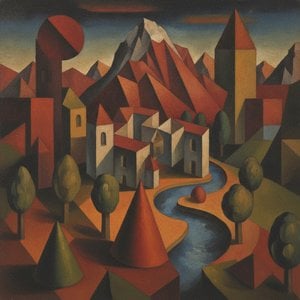
untitled (2719)

Georges Braque (1882-1963): Pionier van het kubisme & fauvisme. Ontdek zijn baanbrekende kunst, van 'Houses at L'Estaque' tot indrukwekkende collages. Een meester van de moderne kunst!

De kunstwerken die op deze pagina worden weergegeven, zijn beschermd door de auteursrechtwetgeving, wat betekent dat het ons wettelijk niet is toegestaan om identieke reproducties te maken of te verkopen. Deze bescherming wordt gehandhaafd onder internationale overeenkomsten zoals de Conventie van Bern en door nationale wetgeving, waaronder de bepalingen van de Amerikaanse auteurswet - Titel 17. Alle rechten voorbehouden. Reproduceren of distribueren van afbeeldingen is niet toegestaan zonder uitdrukkelijke schriftelijke toestemming van WahooArt.com en de rechthebbenden.

Deze methode voldoet volledig aan de auteursrechtwetgeving, omdat het niet gaat om het kopiëren of dupliceren van het beschermde kunstwerk. In plaats daarvan is er sprake van een creatieve herinterpretatie — een nieuw schilderij dat door het origineel wordt geïnspireerd, maar er niet identiek aan is.

Giclée / Kunstafdrukken

Giclée- of canvasafdruk van museumkwaliteit met een snelle productie en flexibele afwerkingsmogelijkheden. ( Koop handgeschilderd kunstwerk Schakel over naar digitale afbeeldingen)

Corner sample of the P118B picture frame: gegoten polystyreen, 5 cm wide and 3 cm thick
P118B €10
Corner sample of the P118H picture frame: gegoten polystyreen, 5 cm wide and 3 cm thick
P118H €10
Corner sample of the P118W picture frame: gegoten polystyreen, 5 cm wide and 3 cm thick
P118W €10
Corner sample of the P438Z picture frame: gegoten polystyreen, 5.5 cm wide and 3.5 cm thick
P438Z €10
Corner sample of the P508JH picture frame: gegoten polystyreen, 7 cm wide and 3.5 cm thick
P508JH €12
Corner sample of the P508YH picture frame: gegoten polystyreen, 7 cm wide and 3.5 cm thick
P508YH €12
Corner sample of the P805H picture frame: gegoten polystyreen, 5 cm wide and 3.5 cm thick
P805H €10
Corner sample of the P805Z picture frame: gegoten polystyreen, 5 cm wide and 3.5 cm thick
P805Z €10
Corner sample of the P919BZ picture frame: gegoten polystyreen, 7 cm wide and 3.5 cm thick
P919BZ €10
Corner sample of the P919G picture frame: gegoten polystyreen, 7 cm wide and 3.5 cm thick
P919G €10
Corner sample of the P919XJ picture frame: gegoten polystyreen, 7 cm wide and 3.5 cm thick
P919XJ €10
Corner sample of the P959ZH picture frame: gegoten polystyreen, 5 cm wide and 3 cm thick
P959ZH €10
Corner sample of the P968JZ picture frame: gegoten polystyreen, 6 cm wide and 4 cm thick
P968JZ €12
Corner sample of the W106C picture frame: massief hout, 5 cm wide and 3 cm thick
W106C €8
Corner sample of the W218G picture frame: massief hout, 5 cm wide and 3 cm thick
W218G €10
Corner sample of the W218JH picture frame: massief hout, 5 cm wide and 3 cm thick
W218JH €8
Corner sample of the W218Y picture frame: massief hout, 5 cm wide and 3 cm thick
W218Y €10
Corner sample of the W307PJ picture frame: massief hout, 6 cm wide and 3 cm thick
W307PJ €10
Corner sample of the W316G picture frame: massief hout, 6 cm wide and 3 cm thick
W316G €10
Corner sample of the W316PJ picture frame: massief hout, 6 cm wide and 3 cm thick
W316PJ €8
Corner sample of the W316Y picture frame: massief hout, 6 cm wide and 3 cm thick
W316Y €10
Corner sample of the W398PJ picture frame: massief hout, 5 cm wide and 3 cm thick
W398PJ €8
Corner sample of the W4111J picture frame: massief hout, 6.5 cm wide and 3.5 cm thick
W4111J €10
Corner sample of the W500HY picture frame: massief hout, 7 cm wide and 5 cm thick
W500HY €15
Corner sample of the W500JH picture frame: massief hout, 7 cm wide and 5 cm thick
W500JH €15
Corner sample of the W692G picture frame: massief hout, 8 cm wide and 4 cm thick
W692G €12
Corner sample of the W849H picture frame: massief hout, 5 cm wide and 3 cm thick
W849H €8
Corner sample of the W940BG picture frame: massief hout, 7.5 cm wide and 4.5 cm thick
W940BG €15
Corner sample of the W953PJ picture frame: massief hout, 6 cm wide and 3.5 cm thick
W953PJ €8

Standaardformaat
op maat gemaakt
CM
INCH

Kies uit onze vooraf ingestelde maten die overeenkomen met de originele verhoudingen van het kunstwerk.

breedte
hoogte

Voer de breedte en de hoogte in die u nodig heeft, passend bij uw lijst of uw muur. Een afdruk kan alleen worden ingekort, nooit groter worden gemaakt dan het origineel, waardoor een formaat met een andere verhouding een deel van de afbeelding verliest. Wij sturen u een digitaal mockup ter goedkeuring voordat we iets drukken. De afbeelding op deze pagina toont niet de werkelijke uitsnede — dit is alleen te zien op het mockup.

Wereldwijde levering () binnen 2 weken in plaats van de standaard 4/5 weken. (23 oktober)

Gratis wereldwijde expressverzending
Hoogwaardig linnen canvas
Volledige verzendverzekering
Garantie op terugbetaling van invoerrechten
Garantie op exacte kleurweergave
Retourbeleid van 100 dagen (alleen bij defecten)
100% Geld-terug-garantie
Korting bij meerdere afnames

Totaalprijs

€ 61

untitled (2719)

Giclée / Kunstafdrukken

Formaat reproductie

-

Totaalprijs

€ 61

Belangrijkste kenmerken

  • Location: Private Collection
  • Influences: Paul Cézanne
  • Medium: Painting
  • Notable elements or techniques: Collage, Geometric abstraction
  • Artist: Georges Braque

Kunstquiz

Er is slechts één goed antwoord op elke vraag.

Vraag 1:
What artistic movement is Georges Braque primarily associated with?
Vraag 2:
The photograph shows a depiction of what subject matter?
Vraag 3:
What material is predominantly used in the construction of the buildings depicted in the painting?
Vraag 4:
Braque collaborated closely with Pablo Picasso on a groundbreaking artistic endeavor. What was this collaboration focused on?
Vraag 5:
The yellowish tint of the buildings contributes to what overall atmosphere in the artwork?

Georges Braque’s Vision of Rural Tranquility: An Exploration of Cubist Influence

Georges Braque’s “untitled (2719)” presents a deceptively simple scene—a village nestled amongst rolling hills and shadowed by a distant forest. Yet, beneath this tranquil exterior lies the profound intellectual engagement characteristic of Braque's artistic endeavors during his pivotal period alongside Pablo Picasso. This artwork exemplifies the core tenets of Cubism, demonstrating how Braque skillfully dismantled traditional perspective to convey spatial complexity and textural richness.

  • Subject Matter: The painting captures a quintessential rural landscape—houses constructed from cardboard or paper—a deliberate choice that underscores Braque’s fascination with materiality and fragmentation. It's not merely depicting what is seen; it’s investigating how visual perception itself operates.
  • Style & Technique: Braque employed a technique rooted in Cubism, specifically Analytical Cubism. This approach involved fracturing objects into geometric planes—primarily cubes—and presenting them simultaneously from multiple viewpoints. The yellowish tint of the buildings isn't accidental; it serves to heighten visual interest and contributes to the overall tonal palette.
  • Historical Context: Created around 1908-1912, “untitled (2719)” emerged during a period of intense artistic experimentation following Impressionism. The influence of Cézanne’s sculptural approach is palpable, informing Braque's desire to represent form in three dimensions despite the limitations of two-dimensional representation. This was a reaction against the illusionistic conventions prevalent at the time, marking a decisive step toward abstraction.
  • Symbolism & Emotional Impact: While seemingly devoid of overt narrative, the painting speaks volumes about Braque’s preoccupation with exploring fundamental questions regarding perception and representation. The muted colors—primarily yellows and browns—evoke feelings of serenity and contemplation, inviting viewers to consider the beauty inherent in everyday scenes.

The Influence of Cézanne: Sculptural Form Revisited

Braque’s artistic sensibilities were profoundly shaped by Paul Cézanne's groundbreaking explorations into capturing the essence of form rather than merely reproducing its appearance. Cézanne famously declared, “I do not paint what I see; I paint what I feel,” a sentiment that resonated deeply with Braque and fueled his determination to move beyond traditional illusionism.

  • Cézanne’s Legacy: Cézanne's insistence on simplifying forms into geometric shapes—particularly cylinders, cones, and cubes—provided Braque with a crucial conceptual framework. This approach encouraged artists to consider the underlying structure of objects and landscapes, prioritizing solidity and volume over superficial detail.
  • Braque’s Response: Braque embraced Cézanne's principles, applying them to his own canvases in ways that subtly yet powerfully differentiated him from Impressionists. He sought to convey a sense of spatial depth and sculptural presence—a characteristic absent from Impressionistic renderings—demonstrating the transformative potential of artistic innovation.

Collage: Expanding Artistic Boundaries

Alongside his painting explorations, Braque pioneered the technique of collage – incorporating non-traditional materials like newspaper, fabric scraps, and printed images into his artworks. This bold move further challenged established conventions and signaled a willingness to experiment with new visual languages.

  • Material Exploration: Collage allowed Braque to juxtapose disparate textures and surfaces—creating surprising visual effects that disrupted conventional notions of composition. The inclusion of printed matter reflected the burgeoning influence of photography and mass media on artistic discourse.
  • Conceptual Significance: More importantly, collage represented a conceptual breakthrough – demonstrating how artists could actively manipulate materials to convey ideas and emotions beyond mere representation. It was a deliberate rejection of academic painting’s focus on meticulous realism.

A Lasting Impression: Braque's Contribution to Modern Art

“untitled (2719)” stands as a testament to Georges Braque’s unwavering commitment to artistic experimentation and his pivotal role in shaping the trajectory of modern art. By synthesizing Cézanne’s sculptural vision with Cubist fragmentation and the innovative possibilities of collage, Braque created an artwork that transcends its apparent simplicity—inviting viewers to contemplate the fundamental questions surrounding perception, representation, and the very nature of visual experience.

Vragen & Antwoorden

Is "untitled (2719)" een van de meest populaire werken van Georges Braque?

"untitled (2719)" wordt geclassificeerd als Recognized.

Welk palet en welke hoofdkleur bepalen "untitled (2719)"?

"untitled (2719)" door Georges Braque maakt gebruik van een Earthy palet, met Espresso (#5b503f) als dominante kleur.

Kan ik augmented reality gebruiken om "untitled (2719)" door Georges Braque in mijn kamer te bekijken?

"untitled (2719)" door Georges Braque kan worden voorgeproefd op uw eigen muur via de AR-voorvertoning-pagina van het kunstwerk, met behulp van augmented reality op een compatibel apparaat.


Biografie van de kunstenaar

Early Life and Artistic Foundations

Georges Braque, geboren in Argenteuil, Frankrijk, in 1882, begon een pad die diep verweven was met het evoluerende landschap van moderne kunst. Zijn opvoeding binnen een familie van huismeubelmakkers en -afwerkingen stelde hem niet alleen in staat tot technische meesterschap van materialen, maar ook tot een vroeg begrip voor vorm en structuur. Hoewel hij aanvankelijk volgde in zijn vader’s voetsporen, leidde Braque's inherente artistieke neigingen al snel tot formele opleiding aan de École des Beaux-Arts in Le Havre, waarmee hij begon aan zijn reis om een van de meest invloedrijke schilders van de 20e eeuw te worden. Deze basis—een combinatie van praktisch vakmanschap en academische studie—zou cruciaal blijken te zijn wanneer hij later traditionele artistieke conventies ontbond en herinterpreteerde.

Verhuisd naar Parijs in 1902, bleef Braque zijn studies voortzetten aan de Académie Humbert, waarbij hij zich onderdompelde in het levendige kunstenaarsmilieu van de stad. Daar ontmoette hij kunstenaars zoals Marie Laurencin en Francis Picabia, waardoor hij connecties vormde die zijn vroege ontwikkeling zouden beïnvloeden. Zijn eerste werken weerspiegelden de invloed van Impressionisme en Post-Impressionisme, maar een cruciale ontmoeting met de felle kleuren en expressieve vrijheid van Fauvisme in 1905 ontketende een nieuwe richting in zijn artistieke exploratie.

De Omarming van Fauvisme en het Ontstaan van Cubisme

Braque's adoptie van Fauvist principes— gekenmerkt door intense, niet-realistische kleuren en emotionele expressie—wordt levendig verbeeld in schilderijen zoals The Patience. Deze periode zag hem werken met kunstenaars als Henri Matisse en André Derain, waarbij ze experimenteerden met levendige paletten en gestroomlijnde vormen. Echter, Braque's betrokkenheid bij Fauvisme was niet alleen imitatie; hij infuseerde het met een unieke gevoeligheid, temperde de beweging’s ongebreidelde uitbarsting met een meer ingetogen en analytische benadering.

Een keerpunt kwam in 1907, toen hij werd blootgesteld aan de retrospectieve expositie van het werk van Paul Cézanne. Cézanne's nadruk op geometrische vormen en meerdere perspectieven had een diepe impact op Braque, waardoor de weg vrijkwam voor zijn baanbrekende samenwerking met Pablo Picasso. Vanaf 1908 begonnen deze twee artistieke titanen een periode van intens intellectueel uitwisselen die de geboorte gaf aan Cubisme—een revolutionaire beweging die traditionele concepties van representatie verstoorde.

Samen ontwikkelden Braque en Picasso Analytisch Cubisme, waarbij objecten werden ontbonden in fragmentarische geometrische vormen en vanuit meerdere perspectieven tegelijkertijd werden gepresenteerd. Schilderijen zoals Houses at L'Estaque tonen deze vroege fase, die een radicale afwijking van conventioneel perspectief en een focus op de onderliggende structuur van vormen laat zien.

Innovatie door Fragmentatie en Collage

De partnerschap tussen Braque en Picasso ging echter door met het uitbreiden van de grenzen van artistieke expressie, wat leidde tot de ontwikkeling van Synthetisch Cubisme rond 1912. Deze fase zag de introductie van collage—het integreren van real-world materialen zoals krantenknipsels, wallpaper en stof in schilderijen. Deze innovatie daagde de traditionele hiërarchie tussen schilderkunst en beeldhouwkunst uit, waardoor de lijnen tussen kunst en leven vervaagd werden.

Braque's pioniersgebruik van *papier collé* (geplakt papier) markeerde een significante verschuiving in zijn artistieke evolutie. Door fragmenten van alledaagse objecten in zijn composities te integreren, verstoorde hij de illusievolle ruimte van traditionele schilderkunst en introduceerde hij een nieuw niveau van materialiteit en textuur. Deze techniek breidde niet alleen de formele mogelijkheden van kunst uit, maar weerspiegelde ook een groeiend belang voor de relatie tussen representatie en realiteit.

Later Jaren en Erfgoed

Na de oorlog evolueerde Braque's stijl verder dan de strikte grenzen van Cubisme, waarbij elementen van klassieke compositie werden opgenomen en een hernieuwde interesse werd gewekt voor stillevens. Hoewel hij de geometrische invloeden behield die zijn vroege werk hadden gedefinieerd, ontwikkelde hij een meer genuanceerde en contemplatieve benadering van schilderen. Zijn latere landschappen en interieurs worden gekenmerkt door hun serene sfeer en subtiele harmonieën van kleur.

Door zijn hele carrière bleef Braque toegewijd aan het verkennen van de fundamentele principes van vorm, ruimte en representatie. Hij experimenteerde voortdurend met verschillende materialen en technieken, waardoor de grenzen van artistieke expressie werden verlegd tot zijn dood in 1963. Zijn invloed op latere generaties kunstenaars is onbetaalbaar, waardoor de loop van moderne kunst werd gevormd en talloze schilders, beeldhouwers en collagisten inspireerde.

Braque's nalatenschap strekt zich verder uit dan zijn individuele werken; hij veranderde fundamenteel ons begrip van hoe we de wereld om ons heen waarnemen en representeren. Zijn partnerschap met Picasso, gecombineerd met zijn eigen unieke artistieke visie, zette hem op een vaste plaats in de kunstgeschiedenis—een meester die durfde conventies uit te dagen en de mogelijkheden van schilderkunst opnieuw te definiëren.

Invloeden en Bekende Werken

  • Invloedrijke personen: Henri Matisse, André Derain, Paul Cézanne
  • Belangrijk werk: Houses at L'Estaque, The Patience, Violin and Palette, Mandola
  • Impact op de kunstgeschiedenis: Revolutioneerde de 20e-eeuwse kunst door Cubisme; daagde traditionele concepties van perspectief en representatie uit.

Georges Braque

Georges Braque

1882 - 1963 , Frankrijk

Snelle feiten

  • Artistic Movement Or Style: Cubisme, Fauvisme
  • Artists Or Movements Influenced By This Artist:
    • Picasso
    • Modern Kunst
  • Artists Who Influenced This Artist:
    • Matisse
    • Derain
    • Cézanne
  • Date Of Birth: 13 mei 1882
  • Date Of Death: 31 augustus 1963
  • Full Name: Georges Braque
  • Nationality: Frans
  • Notable Artworks:
    • Houses L'Estaque
    • Patience
    • Violin Palette
  • Place Of Birth: Argenteuil, Frankrijk
Ontdek kunstwerken georganiseerd op thema, stijl en kenmerk.