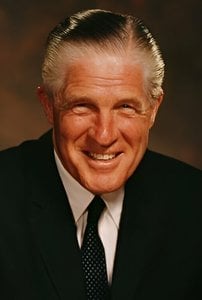
Biografie van de kunstenaar
A Life in Portraiture: The World of George Romney
George Romney, geboren op 15 december 1734 in Dalton-in-Furness, Lancashire, was een Brits kunstschilder die zich als één van de meest gevraagde portretschilders van zijn tijd profileerde. Zijn verhaal, van timmerman’s zoon tot favoriete kunstenaar van de Britse hogere kringen, is een boeiend verhaal van talent en ambitie. De vroege jaren van Romney gaven weinig aanleiding om te vermoeden dat hij een artistieke carrière zou volgen; aanvankelijk werd hij leren vak door zijn vader, maar een aangeboren drang naar tekenen en vakmanschap leidde hem naar Christopher Steele, een lokale portretschilder die in Parijs had gestudeerd. Deze leerlingenperiode bleek cruciaal te zijn, omdat Romney hier de basisvaardigheden opdoet en kennis maakt van Europese kunsttradities. Hij overtrof zijn meester snel, door een uitzonderlijk talent dat verdere ontwikkeling vereiste. Een kort, ongelukkig huwelijk en de daaropvolgende scheiding stuitten hem in 1762 naar Londen, een stad vol kansen maar ook met hevige concurrentie.
Establishing a Reputation: Style and Technique
Londen bleek een broeinest voor Romney’s artistieke ontwikkeling te zijn. Hij vestigde zich snel als een formidable portretschilder, die de dominantie van kunstenaars zoals Thomas Gainsborough en Sir Joshua Reynolds uitdaagde. Hoewel hij nooit lid wilde worden van de Royal Academy – een beslissing die mogelijk zijn toegang tot bepaalde patronages beperkte – was zijn succes onmiskenbaar. Romney’s stijl evolueerde in de loop der tijd, aanvankelijk beïnvloed door Steele en zijn Parijse training, maar bloeide al snel uit tot iets dat uniek voor hem was. Hij bezat een uitzonderlijke vaardigheid om niet alleen het uiterlijk, maar ook de persoonlijkheid en sociale status van zijn onderwerpen vast te leggen. Zijn portretten kenmerken zich door elegante poses, een verfijnde licht- en schaduwgebruik en een subtiele psychologische inzicht dat hem onderscheidde. Romney’s techniek was gekenmerkt door een delicate aanraking en een voorkeur voor vloeiende lijnen, vaak geïnspireerd door klassieke beelden. Hij maakte gebruik van kleur om textuur en diepte over te brengen, waardoor portretten ontstonden die zowel visueel aantrekkelijk als emotioneel resoneren. Zijn vermogen om zijn onderwerpen te flatteren terwijl hij toch artistieke integriteit behield, won hem de loyaliteit van een elite clientèle. Hij begreep de kracht van suggestie, hintend naar karakter in plaats van het expliciet te definiëren, een kwaliteit die aantrekkelijk was voor mensen die waarde hechtten aan discretie en verfijning.
The Muse and Her Influence: Emma Hamilton
Romney’s leven nam een dramatisch wending toen hij in 1782 kennismaakte met Emma Hart, later bekend als Lady Hamilton. Ze werd niet alleen zijn meest beroemde model, maar ook zijn muze, die zijn artistieke output aanzienlijk beïnvloedde. Emma’s schoonheid, intelligentie en theatraliteit trokken Romney aan, waardoor een reeks portretten ontstonden die thema's van klassieke mythologie, dramatische narratieven en vrouwelijke gratie onderzochten. Hij schilderde haar in verschillende rollen – als een spinnenster, als de tragische Miranda uit Shakespeare’s *De Tempest*, en in talloze allegorische scènes die haar expressieve bereik toonden. Deze werken laten Romney’s bereidheid zien om te experimenteren met compositie en symboliek, verdergaand dan conventionele portrettuur naar meer verbeeldingskrachtige terreinen. De *Tempest*-serie toont bijvoorbeeld een Romantische gevoeligheid, die de emotionele intensiteit van latere kunstenaars voorspelde. De relatie was intens en allesomvattend voor Romney, hoewel ze uiteindelijk leidde tot een affaire met Lord Nelson, een verbond dat haar plaats in de geschiedenis versterkte. Ondanks dit feit blijven hun artistieke samenwerkingen een blijvende stempel achter op zowel hun levens en produceerden ze enkele van Romney’s meest gedenkwaardige meesterwerken. Er wordt gezegd dat hij meer dan 80 portretten van haar schilderde, elk een andere facet van haar boeiende persoonlijkheid onthullend.
Key Works and Historical Context
Romney’s oeuvre omvat een indrukwekkende reeks portretten die de Britse hogere kringen van zijn tijd weergeven. Hij droeg bij aan de esthetische zintuigen van het late 18e eeuw, en creëerde een stijl die gekenmerkt wordt door elegantie, psychologisch inzicht en artistieke flair. Zijn portretten bieden onschatbare inzichten in het leven en de smaak van de Britse elite tijdens zijn tijd, waardoor een visueel beeld ontstaat van hun sociale gebruiken, mode en intellectuele bezigheden. Hoewel hij periodes van zelfdwaas doormaakte en te kampen had met mentale problemen in latere jaren – wat leidde tot een productiedaling voor zijn dood in Kendal in 1802 – blijft zijn nalatenschap voortleven door de honderden schilderijen en tekeningen die getuigen van zijn vaardigheid. Zijn werk wordt nog steeds bewonderd om zijn technische briljantie en emotionele resonans. Romney’s invloed is zichtbaar in de portretten van latere generaties Britse kunstenaars. De blijvende fascinatie met zijn relatie tot Emma Hamilton voegt een extra laag intrige toe aan zijn verhaal. Hij blijft een belangrijke figuur in de geschiedenis van de kunst, een meesterportretschilder die de geest van een tijd vastlegde en een oeuvre achterliet dat nog steeds aanspoort en inspireert.
Legacy and Influence
George Romney’s nalatenschap strekt zich verder uit dan zijn individuele schilderijen. Hij was een belangrijke invloed op de ontwikkeling van het portret in Groot-Brittannië, en zijn werk heeft generaties kunstenaars geïnspireerd. Zijn focus op detail, psychologische realisme en een subtiele esthetiek hebben hem tot een van de meest gerespecteerde portretschilders van zijn tijd verheven. De combinatie van klassieke invloeden en een unieke Britse stijl heeft Romney’s werk een onderscheidende kwaliteit gegeven die tot op vandaag nog steeds wordt gewaardeerd.



 Bekijk op ware grootte
 Koop handgeschilderd kunstwerk
 Verstuur
 Delen
Delen
 Details bekijken
 Gids
Gids

 Download
 Vergelijkbare items
 Röntgenonderzoek
 Diavoorstelling
 Statistieken


 Lees meer






































 De optie voor glas is alleen beschikbaar bij een formaat kleiner dan 110 cm.