


 Oil On CanvasWallArtMannerist
 1530
1530 150.0 x 84.0 cm
 National Gallery
Giclée- of canvasafdruk van museumkwaliteit met een snelle productie en flexibele afwerkingsmogelijkheden. ( Bestel handgeschilderde reproductie Koop afbeelding)





























Kies uit onze vooraf ingestelde maten die overeenkomen met de originele verhoudingen van het kunstwerk.

U kunt uw eigen afmetingen opgeven om in een specifieke lijst of ruimte te passen. Als de door u gekozen maat niet overeenkomt met de proporties van het originele kunstwerk, zullen wij de afbeelding bijsnijden of uitbreiden met een gespiegelde of effen rand. Een digitaal mockup wordt ter goedkeuring naar u verzonden voordat de productie begint.
Houd er rekening mee dat de preview op het scherm de werkelijke bijsneding of uitbreiding niet weergeeft. Alleen de mockup toont de uiteindelijke compositie nauwkeurig.
Hoewel aangepaste maten beschikbaar zijn, raden wij aan een afmeting uit de vooraf bepaalde lijst te kiezen om de originele proporties te behouden.
Wereldwijde levering () binnen 2 weken in plaats van de standaard 4/5 weken. (7 september)


Saint Andrew (?)
Afmetingen reproductie
Gaudenzio Ferrari's "Saint Andrew (?)," painted circa 1540, is more than just a portrait of a biblical figure; it’s a poignant meditation on faith, sacrifice, and the enduring power of symbolism. Housed within the National Gallery in London, this oil-on-wood panel invites viewers into a world where earthly landscapes mirror spiritual depths, offering a glimpse into the artistic sensibilities of a pivotal moment in Italian Renaissance art.
The painting immediately commands attention with its dramatic composition. Saint Andrew, rendered with a deliberate solidity and a gaze that seems to pierce through the canvas, dominates the foreground. He stands upon a modest hillock, a humble stage for his iconic posture – bearing the cross, not in the familiar X-shape associated with Christ’s crucifixion, but instead as a T-form, a subtle yet significant divergence from established iconography. This variation speaks volumes about Andrew's own martyrdom, emphasizing his steadfastness and unwavering devotion even in the face of death.
Ferrari’s work firmly situates itself within the flourishing world of Mannerist art – a style characterized by its heightened emotionality, elongated forms, and complex spatial arrangements. Notice how Andrew's figure is subtly distorted, his limbs slightly exaggerated, creating an effect that transcends mere realism. This deliberate manipulation of form isn’t intended to shock or overwhelm; rather, it serves to amplify the saint’s inner turmoil and spiritual intensity. The mountainous backdrop, rendered with a hazy atmosphere and dramatic lighting, further contributes to this sense of heightened drama, echoing the emotional weight of Andrew's sacrifice.
The choice of poplar wood as the support for the painting is also significant. Poplar was a popular medium in Northern Italy during this period, offering a relatively affordable surface that allowed artists like Ferrari to experiment with rich colors and intricate details. The application of oil paint itself—a technique gaining prominence at the time—allowed for greater luminosity and depth than traditional tempera methods.
Beyond its formal qualities, “Saint Andrew (?)” is laden with symbolic meaning. The T-shaped cross, as mentioned earlier, represents a deliberate departure from Christ’s standard symbol, suggesting Andrew's unique role in the Christian narrative – his martyrdom occurring after Christ’s death. The hillock upon which he stands symbolizes humility and earthly grounding, while the distant mountains represent the vastness of God’s kingdom. The painting was part of a larger altarpiece commissioned for the church of S. Pietro at Maggianico, near Lake Como, highlighting its intended function as a devotional work meant to inspire faith within the local community.
Despite being painted over five centuries ago, “Saint Andrew (?)” retains an extraordinary power to resonate with contemporary viewers. Ferrari’s masterful use of light and shadow, coupled with his nuanced portrayal of human emotion, creates a work that is both visually arresting and deeply moving. It's a testament to the enduring appeal of religious art—its ability to transcend time and culture, offering a profound meditation on faith, sacrifice, and the eternal struggle between good and evil. Reproductions of this piece offer a beautiful way to bring this evocative image into any space, inviting contemplation and reminding us of the stories that shape our world.


1475 - 1546 , Italië

Explore the profound iconography of Saint Jerome through art history's most iconic masterpieces. From Renaissance serenity to Baroque drama, discover how legendary painters captured divine devotion in breathtaking oil paintings and fine art reproductions.

Embark on a profound journey through art history with our exploration of Saint Francis's most iconic works. Discover Giotto’s revolutionary frescoes and the spiritual depth of Proto-Renaissance masterpieces through an expert lens for the true classic art enthusiast.
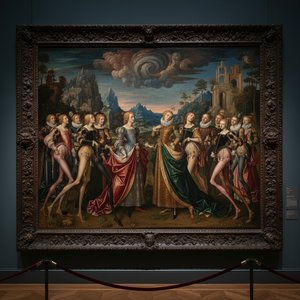
Explore the dramatic evolution of Northern Mannerism. Discover how masters like Bosch and Grünewald transitioned from Renaissance harmony to profound, elegant distortion through an expert analysis of symbolism, emotional intensity, and artistic innovation.

Discover the profound beauty of Saint Artworks. Explore the history, symbolism, and luminous mastery of Renaissance religious masterpieces through an expert art-historical lens.

Embark on a sophisticated journey through art history with our exploration of Saint Peter's most powerful masterpieces. Discover the profound emotional depth and technical brilliance of Renaissance and Baroque icons, curated for the discerning classic art enthusiast.

 Voorvertoning
 Verstuur
 Delen
Delen
 Details bekijken

 Download
 Vergelijkbare items
 Röntgenonderzoek
 Diavoorstelling
 Lees meer







 De optie voor glas is alleen beschikbaar bij een formaat kleiner dan 110 cm.


