Fernando Botero: Een Colombiaanse Visie
Fernando Botero Angulo, geboren in Medellín, Colombia, in 1932, werd een van de meest gerespecteerde en internationaal erkende kunstenaars uit Latijns-Amerika. Zijn reis begon niet in de heilige hallen van kunstacademies, maar midden in het bruisende leven en de barokke pracht van zijn geboortestad. Van jongs af aan werd hij geïnspireerd door de opvallende koloniale kerken en de levendige stadsbeelden van Medellín – een vroege ervaring die zijn unieke artistieke visie diepgaand zou vormen. Deze vroege blootstelling bracht een primitivistische gevoeligheid met zich mee, een waardering voor eenvoudige maar krachtige vormen, wat al snel een kenmerk werd van zijn stijl. In eerste instantie aangetrokken door de drama’s van stierenvechten, verfijnde hij zijn vaardigheden door te tekenen, maar realiseerde hij zich snel dat zijn pad verder ging dan de arena en naar een bredere verkenning van vorm en volume.
De Genesis van ‘Boterismo’
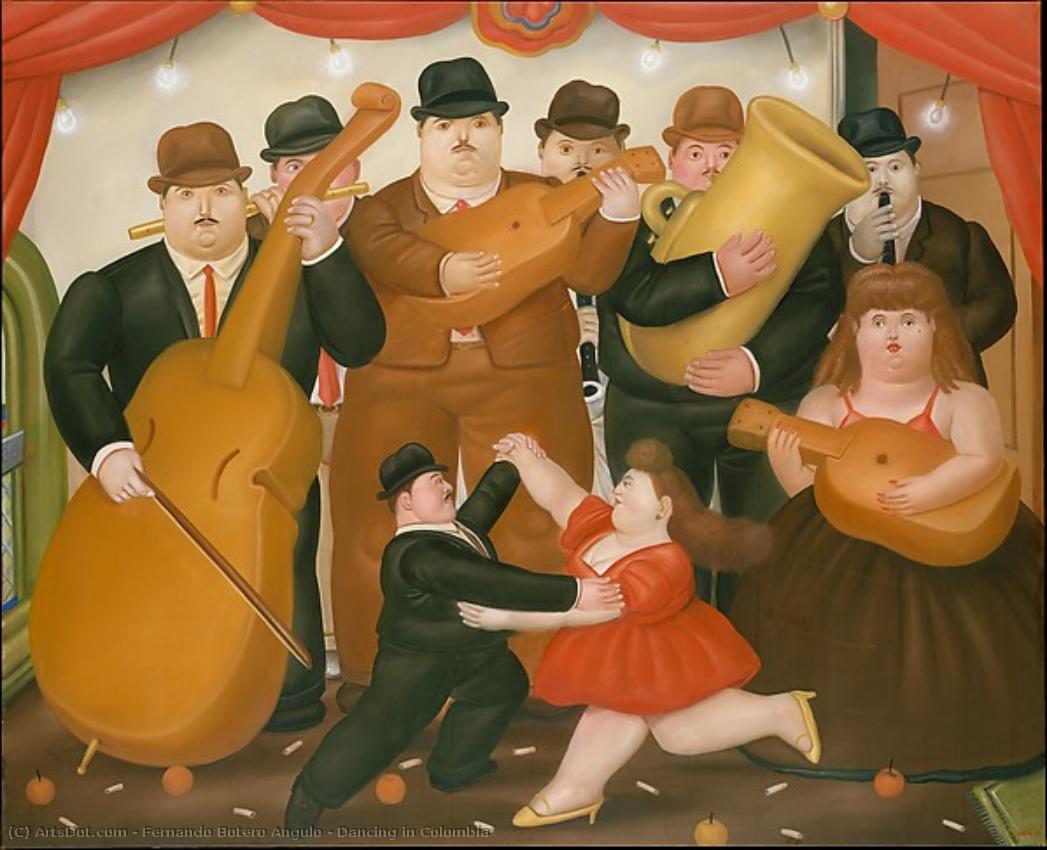
Botero's artistieke ontwikkeling werd gekenmerkt door een bewuste afwijzing van Europese modernisme. Na periodes van studie in Madrid en Parijs, voelde hij zich ontgoocheld over de heersende avant-garde bewegingen. In plaats daarvan keek hij naar binnen, op zoek naar inspiratie bij de oude meesters – Velázquez, Goya en Titian – en herontdekte hij de kracht van klassieke vorm. Deze verkenning leidde tot de geboorte van wat later bekend zou worden als ‘Boterismo’, een stijl gekenmerkt door genereus, overdreven volumes. Het was niet alleen bedoeld om “vette mensen” te portretteren, zoals sommige critici simplistisch suggereerden; het was een bewuste manipulatie van proporties, een viering van sensualiteit en overvloed, en een subtiele commentaar op sociale en politieke realiteiten. Zijn figuren – menselijk, dierlijk of stillevensonderwerp – bezitten een monumentale aanwezigheid, stralend met warmte en een stille waardigheid. De vroege jaren zestig markeerden de versterking van deze stijl, met schilderijen als *Presidential Family* (1967) die iconische representaties werden van zijn opkomende esthetiek. Dit werk, in het bijzonder, satiriseerde subtiel de Colombiaanse politieke elite terwijl tegelijkertijd de aantrekkingskracht van Botero’s ronde vormen werd benadrukt.
De Invloeden en Ontwikkeling
Botero's vroege artistieke ontwikkeling werd sterk beïnvloed door zijn omgeving in Medellín. De opvallende architectuur, met haar overvloed aan ornamenten en de rijke koloniale geschiedenis, vormden een belangrijke bron van inspiratie. Tegelijkertijd was hij geïnteresseerd in moderne kunst, die toen nog relatief onbekend was in Colombia. Hij studeerde de werken van Mexicaanse muralisten zoals Diego Rivera en José Clemente Orozco, die hem leerden hoe je volume in twee dimensies kon weergeven en het belang van het vastleggen van het leven van de Latijns-Amerikaanse bevolking. Deze invloeden combineerden met zijn eigen observaties van het dagelijks leven in Medellín, resulteerde in een unieke stijl die zich onderscheidde van de gangbare kunststromingen. Zijn interesse in de barokke schilderkunst leidde hem tot het bestuderen van werken van Velázquez, Goya en Titian, die hij bewonderde om hun vermogen om licht, kleur en volume op een overtuigende manier te gebruiken.
Sculptuur en Verder
Na zijn verhuizing naar Parijs in 1973 begon Botero met het creëren van sculpturen. Deze transformatie stelde hem in staat om volume en vorm in drie dimensies te verkennen. Zijn monumentale bronzen beelden begonnen op openbare plaatsen over de hele wereld te verschijnen – parken in New York, Florence en Medellín – en werden geliefde landmarks en symbolen van zijn artistieke visie. Deze sculpturen waren niet alleen geschaalde versies van zijn schilderijen; ze hadden een eigen fysieke aanwezigheid, die kijkers uitnodigde om ze aan te raken en mee te maken. Naast schilderkunst en beeldhouwkunst demonstreerde Botero ook veelzijdigheid door tekeningen en collages te maken, vaak met politiek geladen onderwerpen. Zijn *Violence* serie, gecreëerd als reactie op de toenemende conflict in Colombia, staat als een krachtig bewijs van zijn toewijding aan sociale commentaar. Op dezelfde manier toonde zijn *Abu Ghraib* serie direct zijn bezorgdheid over de misstanden in het Iraakse gevang en demonstreerde zijn bereidheid om moeilijke waarheden door kunst te confronteren.
Erfgoed en Invloed
Fernando Botero's impact op de kunstwereld is onmiskenbaar. Hij werd een cultureel icoon in Colombia, waarbij hij royaal schonk aan musea en openbare ruimtes, waardoor hij zijn plaats als nationaal schatje versterkte. Zijn werk overstijgt geografische grenzen en resoneert met publieken wereldwijd door zijn universele thema's van menselijkheid, sensualiteit en sociale kritiek. Hoewel sommigen ‘Boterismo’ aanvankelijk als een simpele stijlgeluid beschouwden, is het sindsdien erkend als een significante bijdrage aan figuratieve kunst. Hij daagde conventionele opvattingen over schoonheid en proportie uit en moedigde kijkers aan om hun percepties van de menselijke vorm te heroverwegen. Zijn invloed kan worden gezien in het werk van vele hedendaagse kunstenaars die thema's als lichaamsbeeld, sociale satire en culturele identiteit verkennen. Botero’s nalatenschap strekt zich verder uit dan zijn artistieke prestaties; hij inspireerde een hele generatie Latijns-Amerikaanse kunstenaars om hun eigen unieke stemmen en perspectieven op de wereld te omarmen. Hij stierf in september 2023 op de leeftijd van 91, waardoor een buitengewoon uitgebreide collectie werken achterbleef die nog steeds boeien en aanmoedigen tot reflectie.
Belangrijke Kenmerken & Bekende Werken
- Stijl: Boterismo – gekenmerkt door overdreven volumes en proporties.
- Invloeden: Barokke kunst, oude meesters (Velázquez, Goya, Titian), Latijns-Amerikaanse volkskunst, pre-Colombiaanse kunst.
- Thema's: Colombiaanse cultuur, sociale satire, politiek commentaar, sensualiteit, de menselijke vorm.
- Bekende Werken: *Mona Lisa, Age Twelve* (1959), *Presidential Family* (1967), *Dancers* (1987), *Death of Pablo Escobar* (1999), *La Paloma de la Paz* (2016).
- Prijzen: Lifetime Achievement in Contemporary Sculpture Award van het International Sculpture Center (2012).
Botero's kunst is een levendig en blijvend getuigenis van de kracht van verbeelding, observatie en sociale bewustzijn.


 Voorvertoning
 Bestel handgeschilderde reproductie
 Verstuur
 Delen
Delen
 Details bekijken
 Gids
Gids

 Download
 Vergelijkbare items
 Röntgenonderzoek
 Diavoorstelling
 Statistieken


 Lees meer






































 De optie voor glas is alleen beschikbaar bij een formaat kleiner dan 110 cm.