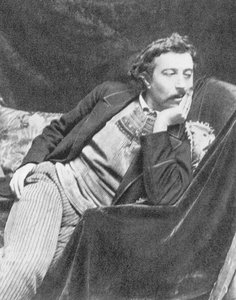
Eugène Henri Paul Gauguin: Een Leven in Wilde Kleuren
Eugène Henri Paul Gauguin, een naam die resoneert met levendige kleuren en rebellie, staat als een cruciale figuur in de overgang van Impressionisme naar moderne kunst. Geboren in Parijs in 1848 was zijn leven allesbehalve conventioneel. Zijn vroege jaren werden gevormd door een ongebruikelijk opvoeding; zijn vader een journalist en zijn moeder afkomstig van Peruviaanse aristocratie – haar grootmoeder, Flora Tristan, een baanbrekende feministe en socialistische schrijver wiens idealen ongetwijfeld in de familie weerklanken veroorzaakten. Deze erfenis zou Gauguin’s artistieke visie diepgaand beïnvloeden, een fascinatie met culturen buiten Europa aanwakkeren. Een opvoeding in Peru als kind, na de verhuizing van zijn familie in 1850, dwong hem tot een wereld die radicaal anders was dan Parijs, een ervaring die bleef hangen en uiteindelijk zijn zoektocht naar authenticiteit in kunst voedde. Na terugkeer naar Frankrijk na het overlijden van zijn vader, ontving Gauguin een formele opleiding, maar voelde zich aangetrokken tot de academische wereld, maar eerder tot de bloeiende financiële wereld, waar hij een carrière als beursmakelaar begon – een pad dat opvallend tegenstond aan het artistieke lot dat hem wachtte.
Van Financier naar Kunstenaar
Gauguin leidde jarenlang een dubbelleven, met toewijding aan zijn zakelijke ondernemingen terwijl hij heimelijk een passie voor schilderkunst cultiveerde. In eerste instantie werd hij beïnvloed door de Impressionisten en experimenteerde hij in zijn vrije tijd met kleur en licht, maar voelde hij snel dat ze zich beperkten tot het vastleggen van vluchtige momenten van realiteit. De financiële crisis van 1882 bleek een keerpunt te zijn, waardoor hij zijn lucratieve carrière opgaf en zich vol overtuiging stortte in zijn artistieke roeping. Dit was niet alleen een verandering van beroep; het was een fundamentele verschuiving in wereldbeeld. Hij zocht begeleiding bij Camille Pissarro, die zijn ontwikkeling aanmoedigde en hem introduceerde bij de avant-garde cirkels van Parijs. Gauguin begon echter snel af te wijken van Impressionistische principes, verlangend naar iets expressiever, iets symbolischer – een manier om niet alleen *wat* hij zag, maar wat hij *voelde* over te brengen. Deze drang leidde hem op een reis van artistieke exploratie die hem verder zou voeren dan de Parijse salons en in het hart van ‘primitieve’ culturen. Hij was niet alleen geïnteresseerd in het vastleggen van deze culturen; hij zocht ernaar om hun essentie te absorberen, ervan uitgaande dat ze een zuiverheid boden die verloren was gegaan in de Westerse beschaving.
De Aanroep naar Bretagne en Tahiti
Gauguin’s artistieke evolutie was onlosmakelijk verbonden met zijn reizen. Hij bracht tijd door in Bretagne, gefascineerd door het ruige landschap en de diepgewortelde tradities van zijn bewoners. Deze periode zag hij experimenteren met platte vormen, felle lijnen en een vereenvoudiging van compositie – technieken die hem verder wegvoerden van naturalisme en dichter naar een meer symbolische taal. Maar zijn reis naar Tahiti in 1891 ontketende werkelijk zijn creatieve potentieel. Op zoek naar een toevluchtsoord van wat hij beschouwde als de verstikkende beperkingen van Europese civilisatie, hoopte Gauguin inspiratie te vinden in Polynesiëse cultuur, ervan uitgaande dat deze een zuiverder, authentieker manier van leven bood. Dit was niet alleen een artistieke zoektocht; het was een spirituele missie. Hij dompelde zich onder in lokale gebruiken en geloofsovertuigingen, vastleggend Polynesiërs vrouwen, landschappen en religieuze praktijken door zijn unieke lens. Beïnvloed door Japanse prints – *Japonisme* – en middeleeuwse kunst ontwikkelde hij een kenmerkende esthetiek gekenmerkt door levendige kleuren, exotische onderwerpen en een sfeer van mysterie. Iconische schilderijen zoals
“Vahine no te miti” (Vrouw met mango),
“Manao Tupapau” (Gevangen door de Geest van de Dood) en
“The Day of Gods ontstonden in deze periode, waarmee zijn reputatie als een visionaire kunstenaar werd verstevigd. Zijn gebruik van kleur werd steeds heviger en niet-natuurlijk, bedoeld om emotie en spirituele betekenis uit te drukken, niet om de realiteit te reproduceren.
Erfgoed en Controversie
Ondanks zijn artistieke doorbraken was Gauguin’s leven vaak gekleurd door moeilijkheden. Hij had financiële problemen en een verslechterend gezondheidstoestand tijdens zijn verblijf in Tahiti en later op de Marquesas eilanden, waar hij uiteindelijk vestigde. Toch bleef hij productief schilderen, voortdurend thema's van het leven, de dood en spiritualiteit onderzoeken. Hij stierf in 1903 op Hiva Oa, een afgelegen eiland in de Marquesas-archipel, grotendeels onherkenbaar voor zijn genie. Pas na zijn dood begon Gauguin’s werk de erkenning te krijgen die het verdiende. Vandaag de dag wordt hij geëerd als een cruciale figuur in de ontwikkeling van moderne kunst, die de overgang van Impressionisme naar Symbolisme inluidde en het pad bereidde voor bewegingen zoals Fauvism. Zijn gebruik van kleur, vereenvoudigde vormen en symbolische beelden heeft kunstenaars zoals Pablo Picasso, Henri Matisse en velen anderen aanzienlijk beïnvloed. Echter, Gauguin blijft een controversiële figuur vanwege aspecten van zijn persoonlijke leven – met name zijn relaties met jonge Polynesiërs vrouwen – die voortdurend worden herzien in het licht van hedendaagse ethische overwegingen. Ondanks dit blijft zijn artistieke bijdragen onbetwistbaar, en zijn nalatenschap inspireert kunstenaars en kunstliefhebbers over de hele wereld. Hij was een ware innovator, een rebel die durfde conventies uit te dagen en zijn eigen pad te volgen, waardoor een oeuvre achterbleef dat net zo boeiend en raadselachtig is als de man zelf.
Belangrijke Invloeden & Artistieke Kenmerken
- Impressionisme: Vroege invloed op kleur en licht, later verworpen vanwege de focus op vluchtige realiteit.
- Japonisme: Inspireerde platte perspectieven, felle lijnen en decoratieve patronen.
- Middeleeuwse Kunst: Beïnvloed symbolische beelden en een afwijzing van strikte realisme.
- Synthetisch: Een stijl ontwikkeld door Gauguin die de creatie van kunst benadrukt op basis van subjectieve ervaring in plaats van objectieve observatie.
- Primitivisme: Fascinering voor niet-westerse culturen, ervan uitgaande dat ze een zuiverere en spirituelere manier van leven boden. Dit wordt weerspiegeld in zijn onderwerpen en stijlelementen.



 Bekijk op ware grootte
 Schakel over naar print
 Verstuur
 Delen
Delen
 Details bekijken
 Gids
Gids

 Download
 Vergelijkbare items
 Röntgenonderzoek
 Diavoorstelling
 Statistieken
 Lees meer






































 De optie voor glas is alleen beschikbaar bij een formaat kleiner dan 110 cm.