De kunstwerken die op deze pagina worden weergegeven, zijn beschermd door de auteursrechtwetgeving, wat betekent dat het ons wettelijk niet is toegestaan om identieke reproducties te maken of te verkopen. Deze bescherming wordt gehandhaafd onder internationale overeenkomsten zoals de Conventie van Bern en door nationale wetgeving, waaronder de bepalingen van de Amerikaanse auteurswet - Titel 17. Alle rechten voorbehouden. Reproduceren of distribueren van afbeeldingen is niet toegestaan zonder uitdrukkelijke schriftelijke toestemming van WahooArt.com en de rechthebbenden.
Deze methode voldoet volledig aan de auteursrechtwetgeving, omdat het niet gaat om het kopiëren of dupliceren van het beschermde kunstwerk. In plaats daarvan is er sprake van een creatieve herinterpretatie — een nieuw schilderij dat door het origineel wordt geïnspireerd, maar er niet identiek aan is.
Giclée- of canvasafdruk van museumkwaliteit met een snelle productie en flexibele afwerkingsmogelijkheden. ( Bestel handgeschilderde reproductie Schakel over naar digitale afbeeldingen)





























Kies uit onze vooraf ingestelde maten die overeenkomen met de originele verhoudingen van het kunstwerk.

Voer de gewenste breedte en hoogte in, passend bij uw lijst of muur. Een afdruk kan alleen worden ingekort en nooit groter worden gemaakt dan het origineel; een formaat met andere verhoudingen zal daarom een deel van de afbeelding verliezen. Wij sturen u een digitaal mockup ter goedkeuring voordat we tot drukwerk overgaan. De afbeelding op deze pagina toont niet de werkelijke uitsnede — dit is alleen te zien op het mockup.
Wereldwijde levering () binnen 2 weken in plaats van de standaard 4/5 weken. (8 november)
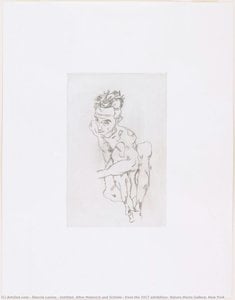
Life Drawing
Afmetingen reproductie
Elizabeth Violet Blackadder's "Life Drawing" isn’t merely a depiction of a nude figure; it’s an invitation into a realm of contemplative serenity. Completed in 1978, this oil-on-canvas work transcends the traditional boundaries of the life drawing genre, offering a profound glimpse into the artist’s meticulous observation and her ability to capture not just form but also the very essence of human vulnerability. The piece resides within a broader body of Blackadder's oeuvre, characterized by a deep reverence for nature and an understated elegance that speaks volumes through restraint.
The composition immediately draws the viewer in. A seated female figure occupies the central space, her posture relaxed yet imbued with a subtle awareness. Draped in flowing fabric – a rich tapestry of beige and grey – she appears both exposed and utterly secure within her own presence. The couch upon which she rests isn’t merely a prop; it's an active participant in the scene, its folds and curves mirroring the gentle undulation of the figure’s form. This careful orchestration of space creates a sense of intimacy, as if we are privileged witnesses to a private moment of introspection.
Blackadder's masterful use of color is central to the painting’s evocative power. The palette is deliberately muted – a symphony of earthy tones: creams, browns, greys, and subtle hints of ochre—that evokes a sense of timelessness and quietude. Rather than striving for photographic realism, Blackadder employs an impressionistic approach, prioritizing the *feeling* of light and shadow over precise detail. Loose brushstrokes dance across the canvas, creating a shimmering surface that seems to breathe with life. Notice how she uses subtle variations in tone – a darker patch here, a lighter one there – to model the figure’s form and suggest the play of light on fabric.
The technique itself is layered and deliberate. Impasto—the application of thick paint—is evident in certain areas, particularly around the folds of the drapery, adding textural richness and depth. Conversely, other sections are rendered with a thinner, more translucent layer, allowing glimpses of the canvas beneath – a testament to Blackadder’s control and her understanding of how color interacts within a composition. The overall effect is one of luminous softness, as if the scene is bathed in the diffused light of late afternoon.
While seemingly simple on the surface, “Life Drawing” resonates with layers of symbolic meaning. The nude figure itself represents vulnerability, honesty, and a profound connection to the human condition. The act of drawing—of capturing a fleeting moment in time—is inherently an exercise in empathy, requiring the artist to truly *see* their subject. Blackadder’s careful attention to detail suggests a deep respect for her model, inviting us to contemplate the beauty and dignity inherent in the human form.
Furthermore, the setting – a draped couch – evokes a sense of domesticity and comfort, yet also hints at isolation and introspection. The figure's posture suggests a moment of quiet contemplation, perhaps a reflection on life’s complexities or a surrender to the present moment. The painting doesn’t offer easy answers; instead, it invites us to engage with our own emotions and experiences.
Elizabeth Violet Blackadder's “Life Drawing” stands as a testament to her extraordinary talent and unwavering dedication to observation. Her work, celebrated for its quiet beauty, meticulous detail, and profound emotional resonance, continues to captivate audiences today. Reproductions of this piece offer a remarkable opportunity to bring this intimate moment of serenity into any space, serving as a reminder of the enduring power of art to inspire contemplation and connection.
De aanbevolen afmeting voor de print van "Life Drawing" door Elizabeth Blackadder is Medium.
Elizabeth Blackadder gebruikte de Oil On Canvas-techniek voor "Life Drawing". De techniek bepaalt de materiële aard van het originele werk.
"Life Drawing" door Elizabeth Blackadder heeft een luminantie van Gentle Luminance. Luminantie beschrijft hoeveel licht de kleuren lijken te reflecteren.


1931 - 2021 , Schotland

Ontdek de fascinerende overgang van Impressionisme naar Postimpressionisme. Van Monets licht tot Cézannes vorm: leer de revolutie van kleur en emotie kennen via de expertise van WahooArt. Uw gids voor tijdloze meesterwerken en handgeschilderde olieverf reproducties van museumkwaliteit.

Elevate your collection with the tactile elegance of hand-painted oil masterpieces. From bespoke reproductions to custom portraits from photography, discover museum-quality artistry crafted by academy-trained experts for discerning collectors and designers worldwide.
 Voorvertoning
 Verstuur
 Delen
Delen
 Details bekijken
 Gids
Gids

 Download
 Vergelijkbare items
 Röntgenonderzoek
 Diavoorstelling
 Vraag & antwoord
 Statistieken

 Lees meer









 De optie voor glas is alleen beschikbaar bij een formaat kleiner dan 110 cm.