GRATIS KUNSTADVIES

x
Print kopen Print kopenBestel schilderij Bestel schilderij VerstuurVerstuur
DetailsDetails Toevoegen aan favorieten Toevoegen aan favorieten DownloadDownload Vergelijkbare werkenVergelijkbare werken RöntgenfotoRöntgenfoto DiavoorstellingDiavoorstelling

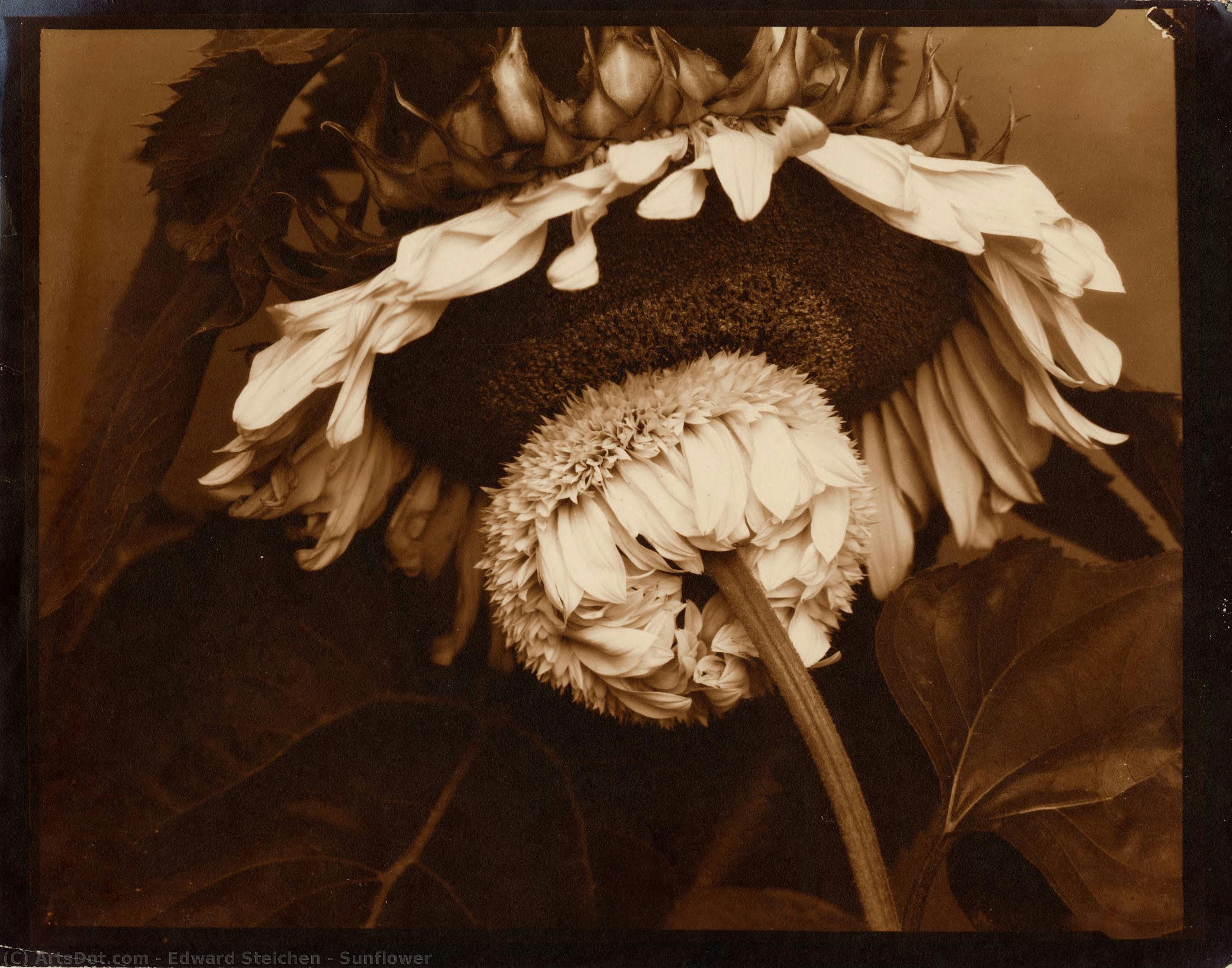
Sunflower

Edward Steichen's 'Sunflower' captures the vibrant beauty of nature with bold brushstrokes and rich colors. A stunning example of early 20th-century art, it showcases Steichen’s mastery and artistic vision.

"meta_description": "Edward Steichen: Van Pictorialisme naar modefotografie en curator van 'The Family of Man'. Een invloedrijke kunstenaar die de wereld van fotografie en beeldende kunsten veranderde."

Koop een digitale afbeelding met hoge resolutie en verbeterde kwaliteit, die veel superieur is aan de online voorvertoning.

Elk bestand wordt met uiterste precisie voorbereid door onze interne specialisten, met behulp van geavanceerde tools en deskundige handmatige retouche. Wij garanderen dat elke afbeelding een uitzonderlijke helderheid, nauwkeurige kleurweergave en verfijnde details bezit.

Het uiteindelijke bestand wordt binnen 72 uur per e-mail geleverd, geoptimaliseerd voor direct gebruik in professionele, redactionele en printomgevingen. Dit is dezelfde kwaliteit waarop topontwerpstudio's, uitgevers en galerieën vertrouwen.

Digitale afbeeldingen

Download een bestand met hoge resolutie voor persoonlijke weergave, afdrukken en creatieve projecten.

Totaalbedrag

$9.99

Inbegrepen bij elke bestelling van een digitale afbeelding

Professionele digitale levering, gegarandeerd

Wanneer u kiest voor WahooArt.com, ontvangt u niet alleen een afbeelding – u krijgt een professioneel verbeterd digitaal kunstwerk, met precisie vervaardigd en voorzien van een tevredenheidsgarantie. Dit is alles wat automatisch bij uw bestelling is inbegrepen:

shipping_icon
Snelle digitale levering

Uw hoogwaardige digitale afbeeldingsbestand wordt binnen 72 uur na bestelling naar u gemaild – klaar voor direct gebruik.

canvas_icon
Met AI verbeterd digitaal bestand

Uw kunstwerk wordt professioneel geoptimaliseerd met behulp van geavanceerde AI-tools en handmatige bewerkingen, waardoor maximale details, helderheid en kleurnauwkeurigheid worden gegarandeerd.

insurance_icon
Gratis levenslange herlevering van digitale afbeeldingen

Je bestand per ongeluk verwijderd of kwijtgeraakt? Geen zorgen – we sturen het u op elk gewenst moment gratis opnieuw toe.

tax_icon
Geen invoerkosten - Altijd

Geniet direct van uw kunstwerk zonder invoerrechten, belastingen of verzendkosten – digitale downloads zijn altijd belastingvrij.

color_icon
Garantie op kleurgetrouwheid

Met behulp van professionele hulpmiddelen en kleurbeheer zorgen wij ervoor dat uw digitale afbeelding de originele kleuren zo nauwkeurig mogelijk weergeeft.

return_icon
60 dagen tevredenheidsgarantie

Als u niet tevreden bent met uw digitale afbeelding, passen wij deze aan of storten wij 100% terug binnen 60 dagen – zonder vragen gesteld.

guarantee_icon
100% Geld-terug-garantie

Niet tevreden? Ontvang binnen 60 dagen na ontvangst van uw digitale bestand uw volledige aankoopbedrag terug – zonder vragen te stellen.

discount_icon
Korting bij grote bestellingen

Koop 3 afbeeldingen, bespaar 10% - Koop 5, bespaar 15% - Koop 10+, bespaar 20%. Ideaal voor creatieve projecten, galerieën en bureaus.

Snelle feiten

  • Dimensions: 92.1 x 81.9 cm
  • Notable elements: Detailed brushstrokes
  • Year: 1920
  • Subject or theme: Floral still life
  • Title: Sunflower
  • Influences: Impressionism
  • Movement: Pictorialism

Kunstquiz

Er is slechts één correct antwoord op elke vraag.

Vraag 1:
What is the primary subject of Edward Steichen’s ‘Sunflower’?
Vraag 2:
In what year was Edward Steichen’s ‘Sunflower’ painted?
Vraag 3:
Edward Steichen was a pioneer in which photographic genre?
Vraag 4:
What artistic movement is Edward Steichen most associated with?
Vraag 5:
The ‘Sunflower’ painting utilizes what technique primarily?

Beschrijving verzamelobject

A Luxembourgian Seed Takes Root: The Genesis of “Sunflower”

Edward Steichen’s 1920 painting, "Sunflower," isn’t merely a depiction of a flower; it's a poignant distillation of memory, displacement, and the enduring search for belonging. Born in the small, unassuming village of Bivange, Luxembourg, in 1879 – a region steeped in history and shadowed by the shifting borders of Europe – Steichen’s early life was marked by an emigration to America at just eighteen months old. This relocation, a common experience for Luxembourgers facing economic hardship, instilled within him a profound sense of rootlessness, a feeling that would subtly permeate his artistic vision throughout his career. The painting itself emerges from this context; it's not simply a botanical study but a visual echo of a past left behind, a yearning for stability amidst constant change.

Steichen’s journey to America was fueled by the hope of opportunity and a desire to escape the limitations imposed by his birthplace. He quickly immersed himself in the vibrant artistic scene of Milwaukee, Wisconsin, where he honed his skills as a lithographer and began experimenting with photography – a medium that would ultimately become his defining voice. This early exposure to both visual arts laid the groundwork for his later ability to capture light, texture, and emotion with remarkable precision.

The Pictorialist’s Palette: Technique and Style

“Sunflower” exemplifies Steichen's mastery of the pictorialist style – a movement that sought to elevate photography to the level of fine art. The painting is rendered in tempera and oil on canvas, utilizing a muted palette dominated by earthy browns, ochres, and subtle greens. These colors evoke the rich soil from which the sunflower springs, grounding the image in a sense of naturalism while simultaneously lending it an air of quiet contemplation. Steichen’s brushwork is deliberately soft and blended, creating a hazy, dreamlike quality that obscures sharp details and invites the viewer to lose themselves within the scene.

The composition itself is carefully constructed. The sunflower dominates the center of the frame, its broad petals radiating outwards in an explosion of color and form. Steichen employs a technique known as *sfumato*, borrowed from Renaissance painting, to soften edges and create a sense of atmospheric perspective. This blurring effect not only adds depth but also contributes to the painting’s overall mood of melancholy and nostalgia. The lighting is particularly noteworthy – a diffused, almost ethereal glow that seems to emanate from within the flower itself, suggesting an inner life and vitality.

Symbolism in Bloom: Memory, Displacement, and Resilience

The sunflower, as a symbol, carries layers of meaning. Historically, it has represented adoration, loyalty, and longevity – qualities that resonate deeply with Steichen’s own experiences. The flower's tendency to follow the sun is often interpreted as a metaphor for seeking guidance and direction in life, a theme particularly relevant to an artist grappling with displacement and uncertainty. The painting can be seen as a visual representation of Steichen’s own journey – his departure from Luxembourg, his struggles to find acceptance in America, and his ongoing quest for artistic fulfillment.

Furthermore, the sunflower's association with remembrance is significant. It’s often used as a symbol of mourning and remembrance, connecting to the broader context of Steichen’s life – marked by personal loss and the challenges of adapting to a new culture. Despite these hardships, however, “Sunflower” ultimately conveys a sense of resilience and hope. The flower's vibrant colors and upward-reaching form suggest an enduring spirit, a testament to the human capacity for growth and renewal.

A Legacy in Light: Steichen’s Enduring Influence

Edward Steichen’s “Sunflower” stands as a powerful example of his artistic vision – a synthesis of technique, symbolism, and personal experience. His pioneering work in photography and painting profoundly influenced generations of artists, shaping the course of modern visual culture. Today, reproductions of this evocative image continue to captivate viewers with their quiet beauty and poignant message. It serves as a reminder that even amidst displacement and hardship, there is always room for growth, remembrance, and the enduring pursuit of light.


Kunstenaarsbiografie

A Life Bridging Worlds: The Artistic Odyssey of Edward Steichen

Edward Steichen, later known as Edward Steichen, was a figure who transcended simple categorization. Born in 1879 in the small village of Bivange, Luxembourg, his life became an extraordinary journey from European roots to becoming one of America’s most influential artists – not merely as a photographer, but as a painter, curator, and visionary who reshaped how we perceive visual culture. The early years were marked by a significant relocation; in 1881, the Steichen family emigrated to Hancock, Michigan, seeking new opportunities. This move instilled in young Edward a sense of displacement and perhaps, a heightened sensitivity to observation – qualities that would profoundly shape his artistic vision. Even as a child, an innate talent for drawing was evident, nurtured by supportive parents who recognized and encouraged his creative inclinations. The pivotal moment arrived at sixteen when he received his first camera, initiating a period of largely self-directed learning through relentless experimentation. This wasn’t merely about mastering technique; it was about discovering a new language, a way to capture the world with an immediacy and intimacy previously unattainable.
  • Early Influences & Artistic Beginnings: From his childhood fascination with drawing—fueled by his mother’s encouragement—to his apprenticeship as a lithographer in Milwaukee, Steichen cultivated a diverse skillset that would prove invaluable to his artistic pursuits. His early exposure to Impressionism and Tonalism instilled in him a deep appreciation for tonal harmonies and atmospheric depth.
  • Pictorialist Roots & Alfred Stieglitz’s Patronage: Steichen’s artistic trajectory intersected with the Pictorialist movement, where he embraced soft focus and painterly effects to elevate photography beyond mere documentation. His collaboration with Alfred Stieglitz—a kindred spirit who championed photography as a legitimate art form—established the Photo-Secession and cemented their role in shaping American visual culture.
  • The Photo-Secession & Camera Work: Together, Steichen and Stieglitz founded *Camera Work*, a groundbreaking photographic journal that disseminated innovative ideas and showcased pioneering images. This publication served as a catalyst for challenging conventional artistic boundaries and fostering dialogue between European and American art movements.
  • The Birth of Modern Photography & The 291 Gallery: Steichen’s unwavering belief in photography's potential led to the establishment of *The 291* gallery in New York City—a space that bravely presented avant-garde European art alongside photography, sparking cultural exchange and redefining artistic aesthetics.
  • World War I & Straight Photography: The upheaval of World War I prompted Steichen’s decisive shift towards “Straight Photography,” characterized by sharp focus, precise detail, and an unadorned representation of reality—a reaction against the sentimentalism prevalent in Pictorialist art.

A Master of Many Mediums: Fashion, Film & The Human Condition

Steichen’s artistic versatility extended far beyond photography. He seamlessly transitioned between painting and filmmaking, demonstrating a remarkable ability to adapt his creative vision to diverse contexts. His work in fashion photography revolutionized the industry during the 1920s and 30s, elevating it from mere visual merchandising to sophisticated storytelling—capturing not just style but also personality and emotion with masterful lighting and composition. He became recognized as the most popular and highest-paid photographer in the world. During World War II, Steichen served his adopted country by directing *The Fighting Lady*, an acclaimed documentary film for the U.S. Navy that offered a visceral portrayal of aerial combat. However, his enduring legacy resides in *The Family of Man*, curated at the Museum of Modern Art in 1955—a monumental exhibition featuring photographs from sixty-eight countries that explored universal human experiences—love, birth, death, joy, sorrow—transcending cultural and geographical divisions. UNESCO recognized it as a “Memory of the World” site, affirming its significance as a testament to Steichen’s conviction in photography's capacity to unite humanity.

Notable Works

  • *The Pond–Moonlight* (1904): This landmark Pictorialist photograph exemplifies Steichen’s mastery of tonal richness and atmospheric depth—a record-breaking auction price attests to its enduring appeal.
  • *The Flatiron* (1904): Another significant early work showcases Steichen's photographic technique and compositional prowess, achieving remarkable recognition at auction.
  • Portraits of Celebrities: A vast collection capturing the essence of prominent figures in art, literature, and entertainment with insightful sensitivity—demonstrating Steichen’s profound understanding of human psychology.
  • *The Fighting Lady* (1944): This gripping documentary film for the U.S. Navy powerfully conveys the realities of aerial warfare—a testament to Steichen's directorial skill.
  • *The Family of Man* (1955): The monumental exhibition at MoMA solidified Steichen’s position as a visionary curator and reaffirmed his belief in photography’s ability to foster empathy and global understanding.

Legacy & Influence

Edward Steichen died in 1973, leaving behind an extraordinary body of work that continues to inspire artists and scholars alike. His influence is multifaceted—he fundamentally altered perceptions of photography, elevating it from a mere technical process to a recognized art form. He revolutionized fashion photography, establishing new standards for visual storytelling within the industry. Furthermore, *The 291* gallery played a crucial role in introducing American audiences to European modernism—promoting cross-cultural dialogue and challenging artistic conventions. Steichen’s unwavering commitment to experimentation and innovation cemented his place as one of the most important figures in twentieth-century art history.
Edward Steichen

Edward Steichen

1900 - 1973 , Luxemburg

Belangrijkste feiten

  • Artistic Movement Or Style: Pictorialisme, Straight Photography
  • Artists Or Movements Influenced By This Artist: ['Modernisme']
  • Artists Who Influenced This Artist: ['Alfred Stieglitz']
  • Date Of Birth: 27 maart 1879
  • Full Name: Edward Jean Steichen
  • Nationality: Amerikaans
  • Notable Artworks:
    • De Pond–Moonlight
    • De Flatiron
  • Place Of Death: West Redding (Connecticut)