Kunstenaarsbiografie
Early Life and Artistic Beginnings
Donatello di Niccolò di Betto Bardi, universally known as Donatello, emerged from the bustling heart of Florence in 1386 – a city that would indelibly shape his artistic vision. His origins were modest; born into a family involved in wool trading, a profession that afforded them a respectable, though not opulent, place within Florentine society. While details about his early childhood remain somewhat elusive, it’s believed he received his initial training as an apprentice stonemason, absorbing the fundamental techniques of carving and shaping stone – skills crucial for any aspiring sculptor. This foundational period likely exposed him to the architectural grandeur of the Duomo (Florence Cathedral), a project that dominated Florentine life and provided countless opportunities for young artisans to hone their craft. Donatello’s early influences were deeply rooted in the prevailing Gothic style, yet he demonstrated an innate ability to transcend its limitations, hinting at the revolutionary approach that would define his mature work.
The Influence of Ghiberti and the Dawn of a New Style
Around 1400, Donatello entered the workshop of Lorenzo Ghiberti, a master sculptor renowned for his intricate bronze doors destined for the Baptistery in Florence. This association proved pivotal to Donatello’s development. Ghiberti's style, characterized by its elegant lines and classical allusions, provided a crucial framework for Donatello’s early explorations. However, Donatello quickly distinguished himself through an unprecedented focus on human emotion and realism – a departure from the stylized figures prevalent in contemporary sculpture. He wasn’t merely replicating forms; he was striving to capture the essence of human experience, imbuing his creations with a palpable sense of life. This nascent desire for psychological depth would become a hallmark of his distinctive style. The period spent under Ghiberti also exposed Donatello to the principles of perspective and composition, laying the groundwork for his later innovations in spatial representation.
Key Works and Revolutionary Techniques
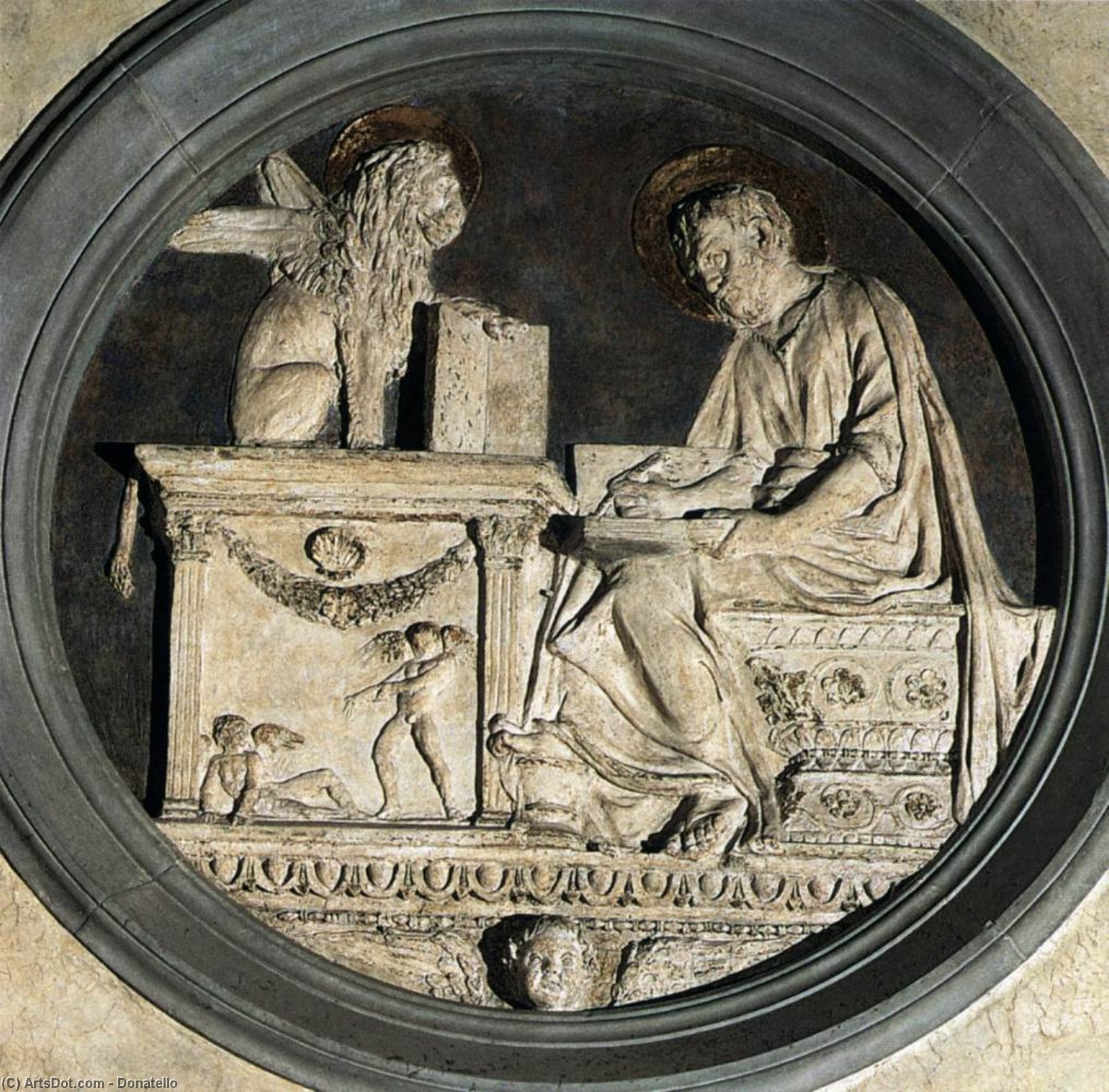
Donatello’s artistic trajectory truly took flight with several groundbreaking works that cemented his reputation as a visionary artist. Perhaps most famously, his “David” (circa 1404-1407) stands as a watershed moment in sculpture history. Unlike previous depictions of the biblical hero, Donatello's David is not depicted as a triumphant warrior but rather as a youthful, vulnerable figure – a young man contemplating his destiny. This portrayal broke with centuries of tradition and established a new standard for nude male sculpture, demonstrating an unprecedented level of anatomical accuracy and psychological insight. His “Sacrifice of Isaac” (1423-1427), created for the Campanile of Santa Maria del Fiore, further showcased his mastery of relief carving, employing a technique known as *schiacciato* – essentially flattening the sculpted figures onto a shallow panel to create an illusion of depth. This innovative approach allowed him to achieve remarkable realism and dramatic intensity within a limited space. The “St. Louis of Toulouse” (1432-1438), a monumental bronze sculpture commissioned for the Medici family, exemplifies his ability to fuse classical ideals with Christian iconography, creating a figure that is both imposing and profoundly human.
A Style Defined by Expressiveness and Classical Echoes
Donatello’s artistic style evolved through distinct phases, each reflecting his growing confidence and experimentation. Initially, his work was heavily influenced by the Gothic tradition, but he quickly moved towards a more expressive and dynamic approach. His figures are characterized by their powerful musculature, dramatic poses, and intense emotionality – qualities that set him apart from his contemporaries. Crucially, Donatello’s art was deeply informed by the rediscovery of classical antiquity. He meticulously studied ancient Roman sculptures, absorbing their principles of proportion, anatomy, and composition. However, he didn't simply imitate these models; instead, he skillfully integrated classical elements into his own unique style, creating a synthesis that is both innovative and profoundly resonant with the spirit of the Renaissance. His work wasn’t immediately embraced by all quarters – some critics found his innovations unsettling, while others questioned his adherence to traditional religious iconography. Yet, Donatello's bold vision ultimately prevailed, establishing him as one of the most influential sculptors in the history of Western art.
Legacy and Enduring Influence
Donatello’s legacy extends far beyond his individual masterpieces. He profoundly shaped the course of Renaissance sculpture, inspiring generations of artists with his technical virtuosity, psychological insight, and unwavering commitment to realism. His emphasis on human emotion and anatomical accuracy paved the way for subsequent sculptors, including Michelangelo Buonarroti and Leonardo da Vinci. Donatello’s influence can be seen in countless works of art throughout Europe, from the grand monuments of Rome to the intimate devotional sculptures of Northern Europe. Even today, his sculptures continue to captivate viewers with their power, beauty, and enduring relevance. The Premi David di Donatello, awarded annually to celebrate excellence in Italian cinema, stand as a testament to his lasting impact on culture – a fitting tribute to the artist who dared to redefine the possibilities of sculpture.



 Print kopen
 Verstuur
 Delen
Delen
 Details

 Download
 Vergelijkbare werken
 Röntgenfoto
 Diavoorstelling


 Lees meer





