


De kunstwerken die op deze pagina worden weergegeven, zijn beschermd door de auteursrechtwetgeving, wat betekent dat het ons wettelijk niet is toegestaan om identieke reproducties te maken of te verkopen. Deze bescherming wordt gehandhaafd onder internationale overeenkomsten zoals de Conventie van Bern en door nationale wetgeving, waaronder de bepalingen van de Amerikaanse auteurswet - Titel 17. Alle rechten voorbehouden. Reproduceren of distribueren van afbeeldingen is niet toegestaan zonder uitdrukkelijke schriftelijke toestemming van WahooArt.com en de rechthebbenden.
Deze methode voldoet volledig aan de auteursrechtwetgeving, omdat het niet gaat om het kopiëren of dupliceren van het beschermde kunstwerk. In plaats daarvan is er sprake van een creatieve herinterpretatie — een nieuw schilderij dat door het origineel wordt geïnspireerd, maar er niet identiek aan is.
Giclée- of canvasafdruk van museumkwaliteit met een snelle productie en flexibele afwerkingsmogelijkheden. ( Bestel handgeschilderde reproductie Schakel over naar digitale afbeeldingen)
Kies uit onze vooraf ingestelde maten die overeenkomen met de originele verhoudingen van het kunstwerk.

Voer de gewenste breedte en hoogte in, passend bij uw lijst of muur. Een afdruk kan alleen worden ingekort en nooit groter worden gemaakt dan het origineel; een formaat met andere verhoudingen zal daarom een deel van de afbeelding verliezen. Wij sturen u een digitaal mockup ter goedkeuring voordat we tot drukwerk overgaan. De afbeelding op deze pagina toont niet de werkelijke uitsnede — dit is alleen te zien op het mockup.
Wereldwijde levering () binnen 2 weken in plaats van de standaard 4/5 weken. (22 november)
Killigrant
Afmetingen reproductie

His formative years were profoundly shaped by exposure to Impressionist luminaries like Claude Monet and Pierre-Auguste Renoir, whose explorations of light and color fundamentally altered his artistic sensibilities. These artists championed a revolutionary approach—abandoning academic conventions in favor of capturing fleeting moments of beauty and conveying subjective experience—inspiring Browne to embrace similar principles.
Formal training at the Slade School of Fine Art in London honed his draughtsmanship skills and instilled him with mastery of traditional oil painting methods. He diligently practiced layering thin glazes upon textured surfaces, achieving luminous effects reminiscent of Monet’s iconic landscapes. Furthermore, he skillfully employed atmospheric perspective—a technique borrowed from Baroque painters—to convey depth and grandeur within his canvases.
Browne's artistic evolution unfolded through a series of exhibitions showcasing his growing confidence and stylistic refinement. Initially hesitant to utilize bold color palettes, he gradually incorporated Impressionistic hues into his compositions—a subtle yet decisive shift that elevated the expressive power of his paintings.
Browne’s unwavering dedication to artistic excellence garnered him considerable acclaim throughout his illustrious career. He achieved international renown for his landscapes, particularly those depicting the Dorset coast—a region celebrated for its dramatic cliffs and turbulent seas.
Browne's legacy extends beyond his individual artworks; he embodies a pivotal moment in British art history—the harmonious convergence of realism and Impressionism. By skillfully blending traditional craftsmanship with innovative stylistic approaches, he championed a vision of beauty rooted in both observation and emotion.
He was recognized as one of the most influential landscape painters of his time, shaping the aesthetic sensibilities of subsequent generations. His work serves as a testament to the enduring power of artistic imagination—a reminder that true beauty resides not merely in accurate representation but also in heartfelt expression.

England

Explore the profound evolution of Australian Indigenous and contemporary art through expert analysis. Discover this rich cultural legacy now.

Explore the profound legacy of Australian Indigenous art through masters like Namatjira. Discover these powerful cultural narratives now.

Ontdek de 10 meest iconische kunstwerken uit de 19e eeuw! Van romantiek tot impressionisme, leer het verhaal achter meesterwerken van Monet, Van Gogh & Delacroix. Vind museumkwaliteit reproducties en interieurinspiratie op WahooArt.com.
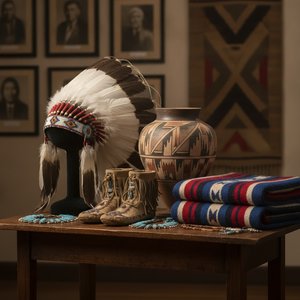
Discover a curated selection of exquisite Native American fine art. From historical portraits to contemporary masterpieces, explore museum-quality oil reproductions and bespoke commissions designed to honor Indigenous heritage with unparalleled artistry and prestige.

Ontdek de 25 meest iconische meesterwerken van James Abbott McNeill Whistler, pionier van het esthetisme en impressionisme. Van zijn betoverende Nocturnes tot portretten vol harmonie. Vind museumkwaliteit reproducties & decoratie-inspiratie op WahooArt.com
 Voorvertoning
 Verstuur
 Delen
Delen
 Details bekijken
 Gids
Gids

 Download
 Vergelijkbare items
 Röntgenonderzoek
 Diavoorstelling
 Vraag & antwoord
 Statistieken


 Lees meer






































 De optie voor glas is alleen beschikbaar bij een formaat kleiner dan 110 cm.


