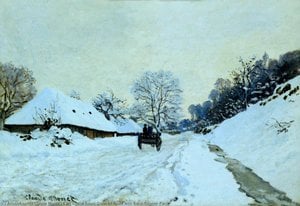
A Symphony of Light and Water: Claude Monet’s “Receding Waves”
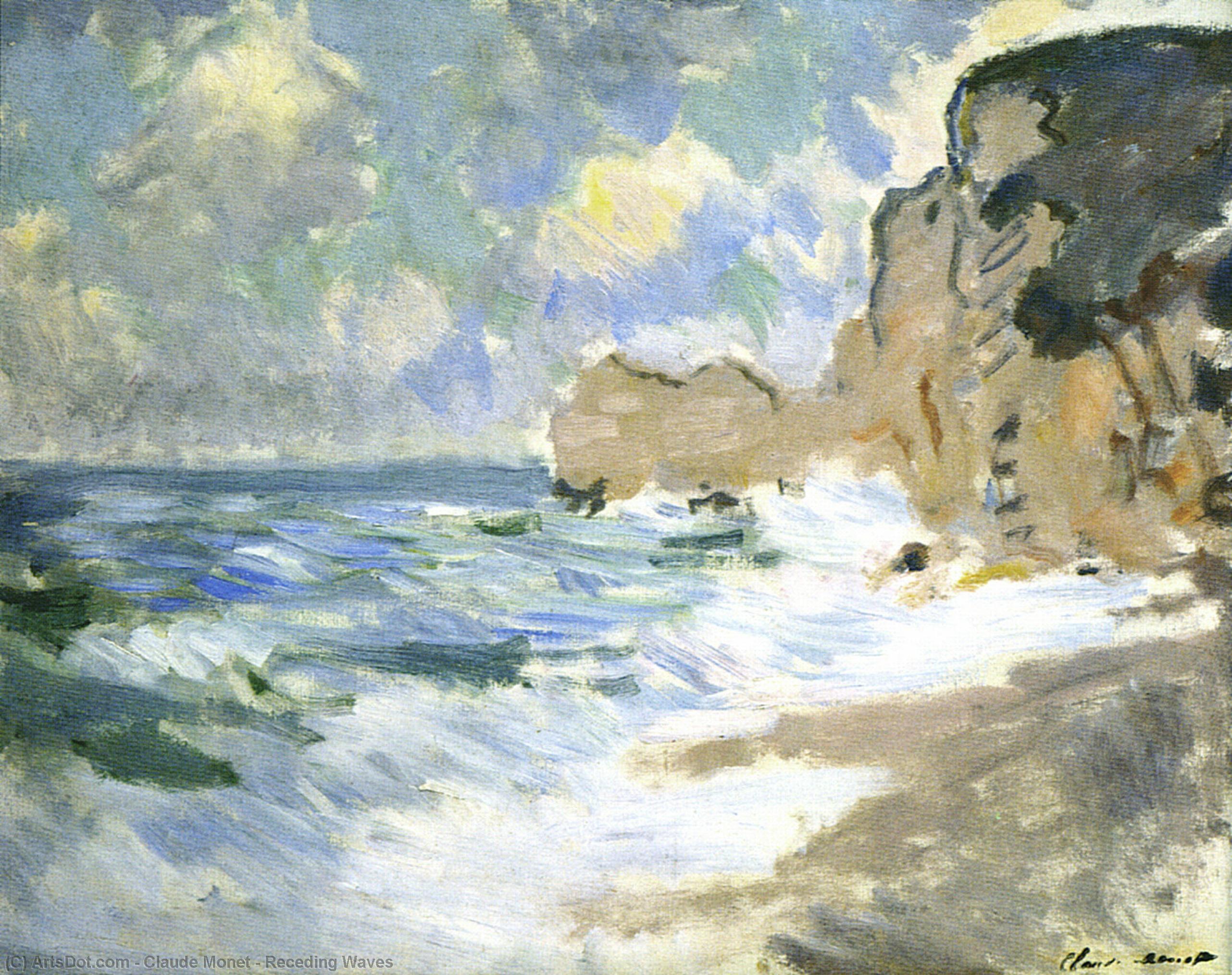
Claude Monet's "Receding Waves," painted in 1883, isn’t merely a depiction of the ocean; it’s an immersion into a fleeting moment of sublime beauty. This Impressionistic masterpiece captures the essence of a coastal scene – the relentless push and pull of the tide, the dance of light on water, and the quiet majesty of a weathered cliff face – all rendered with a sensitivity that speaks to Monet’s profound connection with nature. The painting immediately draws the viewer in, inviting them to lose themselves within its hazy, atmospheric depths.
Monet’s technique is central to the work’s captivating quality. Executed in oil on canvas, “Receding Waves” exemplifies his signature Impressionistic style. He abandons precise detail and instead focuses on capturing the *impression* of light and color. Short, broken brushstrokes – a hallmark of his approach – create a shimmering effect across the water’s surface, mimicking the movement of the waves. These strokes aren’t blended smoothly; rather, they retain their individual character, contributing to the painting’s vibrant energy. The colors themselves are remarkably luminous, achieved through careful layering and an understanding of how light interacts with different surfaces. Notice particularly the subtle shifts in blue and green as the water recedes, creating a sense of depth and distance that is both realistic and dreamlike.
The Essence of *Plein Air* and Normandy’s Influence
“Receding Waves” was born from Monet’s dedication to plein air painting – working directly outdoors. This practice, championed by his mentor Eugène Boudin, allowed him to observe and record the ever-changing effects of light with unparalleled accuracy. The rugged coastline of Normandy, where Monet spent much of his life, provided a constant source of inspiration. The weathered cliffs, the turbulent sea, and the shifting skies all found their way onto his canvases. This connection to the natural world is palpable in the painting; it feels as though you could step right into the scene and feel the salty spray on your face.
The rocky cliff near the water’s edge isn’t simply a backdrop but an integral part of the composition. It provides a sense of stability and grounding amidst the fluidity of the waves, while also reflecting the light in a way that enhances the overall luminosity of the painting. The placement of this element subtly guides the viewer’s eye across the scene, leading them on a visual journey through the receding water.
A Moment Frozen in Time: Symbolism and Emotional Resonance
Beyond its technical brilliance, “Receding Waves” possesses a quiet emotional resonance. It evokes feelings of tranquility, serenity, and perhaps even a touch of melancholy. The vastness of the ocean, combined with the subtle shifts in color and light, creates a sense of awe and wonder. There’s an inherent beauty in the painting’s depiction of nature – a reminder of our own smallness within the grand scheme of things. The title itself, “Receding Waves,” subtly hints at themes of impermanence and the passage of time, mirroring the artist’s own fascination with capturing fleeting moments.
Monet's work during this period was deeply influenced by the burgeoning field of proto-Cubism, a movement that explored the fragmentation of form and the simultaneous representation of multiple viewpoints. While not overtly Cubist, “Receding Waves” demonstrates a similar interest in breaking down the subject into its constituent elements and presenting them in a way that captures their essence rather than simply replicating reality. It’s a testament to Monet’s innovative approach to painting and his ability to translate complex visual experiences onto canvas.
A Legacy of Light: Claude Monet and Beyond
Claude Monet, born Oscar-Claude Monet on November 14, 1840, in Paris, France, left an indelible mark on the history of art. His dedication to capturing light and color revolutionized painting, paving the way for modern Impressionism. His influence extends far beyond this single masterpiece; works like “The Seine at Port-Villez” (available for viewing at /art/list/?Filter=8XXRBV-Claude-Monet-The-Seine-at-Port-Villez) further demonstrate his mastery of capturing atmospheric effects and the beauty of everyday life. For those seeking to delve deeper into Monet’s artistic journey, a visit to the Staatliche Museen zu Berlin offers a comprehensive exploration of his life and work.
Photo Description: The painting is a beautiful representation of the ocean with waves crashing on the shore. The scene captures the essence of nature as the water recedes from the beach. The colors in the painting are vibrant and rich, creating an atmosphere that evokes feelings of tranquility and serenity. The image is a photo of the original painting by Claude Monet, which he titled "Receding Waves." It was painted in 1883 using oil on canvas as his medium, showcasing his impressionistic style. The painting features a rocky cliff near the water's edge, adding depth and complexity to the scene. In addition to the main elements of the ocean and the shore, there are several smaller details that contribute to the overall beauty of the painting. These include the presence of clouds in the sky, which add an element of dynamism to the scene. The rocks on the cliff also provide a sense of structure and stability amidst the natural chaos of the waves. Overall, this painting is a stunning representation of the ocean's power and beauty, capturing the essence of nature in all its glory.
Size: Unknown
Date: 1883
ARTIST INFORMATION:
==================
Artist: Claude Monet
Birth Year: 1840
Death Year: 1926
Birth City: Paris
Birth Country: France
Biography:
A Life Immersed in Light: The World of Claude Monet
Oscar-Claude Monet, a name synonymous with Impressionism, wasn’t merely a painter of landscapes; he was a chronicler of fleeting moments, a poet of light and color. Born in Paris on November 14, 1840, his early life took an unexpected turn when his family relocated to Le Havre in Normandy, at the age of five. While initially destined for a commercial career by his father, Claude Adolphe Monet (1800–1871), young Claude’s innate artistic talent quickly surfaced, manifesting first in charcoal caricatures sold locally – a testament to both his skill and entrepreneurial spirit. However, it was his encounter with Eugène Boudin that proved pivotal. Boudin didn’t just teach Monet *how* to paint; he instilled within him the revolutionary idea of painting en plein air—directly from nature—a practice that would define his entire artistic journey.
Monet’s formal training began in Paris, briefly at the Académie Suisse, and under the academic history painter Charles Gleyre, where he was a classmate of Auguste Renoir. He married Alice Bouguereau in 1877, and they had two sons together: Jean Monet (1879–1953) and Willie Monet (1880–1926). Monet continued to develop his artistic vision throughout his life, experimenting with various techniques and styles. He became a founding member of the Impressionist Society in 1874, alongside Renoir, Camille Pissarro, Alfred Sisley, and Frédéric Bazille. This group sought to break away from the academic conventions of their time and capture the immediacy of sensory experience.
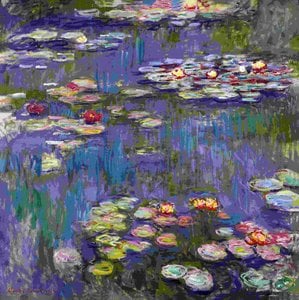
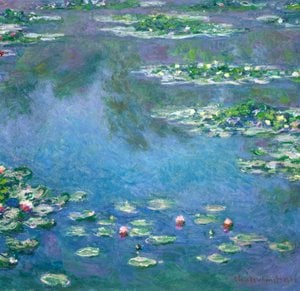
Monet's artistic output spanned decades, producing over 900 paintings and countless sketches. He became particularly renowned for his series paintings, in which he revisited the same subject repeatedly under different lighting conditions to explore how light transforms its appearance. These series included Haystacks (1890–1891), Rouen Cathedral (1892–1894), Water Lilies (1896–1926), and Argenteuil (1873). His Water Lilies, in particular, represent a monumental achievement of Impressionist art, capturing the ethereal beauty of his garden at Giverny with breathtaking detail.
Claude Monet died on December 5, 1926, in Giverny. He left behind an unparalleled legacy as one of the most influential artists of the late 19th and early 20th centuries, shaping the course of modern art and inspiring generations of